

Many homeowners feel frustrated when freshly cleaned window shades collect dust again within days. Studies show indoor air can contain up to five times more pollutants than outdoor air. In addition, household dust settles continuously from multiple sources throughout the day. While learning the best way to clean venetian blinds helps maintain appearance, understanding why dust returns matters even more. Therefore, Denver residents need to identify the local factors that contribute to persistent dust buildup.
Understanding Why Dust Returns So Quickly
Dust never stops entering and forming inside a home. It comes from outdoor particles, fabrics, pet dander, and human activity. Moreover, every movement inside a room sends tiny particles back into the air. As a result, window shades often become one of the first surfaces to collect them.
Window shades act like dust magnets because of their position. They sit near windows where airflow frequently changes. Additionally, sunlight creates warm air currents around glass surfaces. Consequently, airborne particles often settle directly onto the shade material.
Many homeowners focus only on cleaning visible surfaces. However, hidden dust sources often remain active throughout the house. For example, carpets, furniture, and HVAC systems constantly release small particles. Therefore, dust quickly returns even after thorough cleaning.
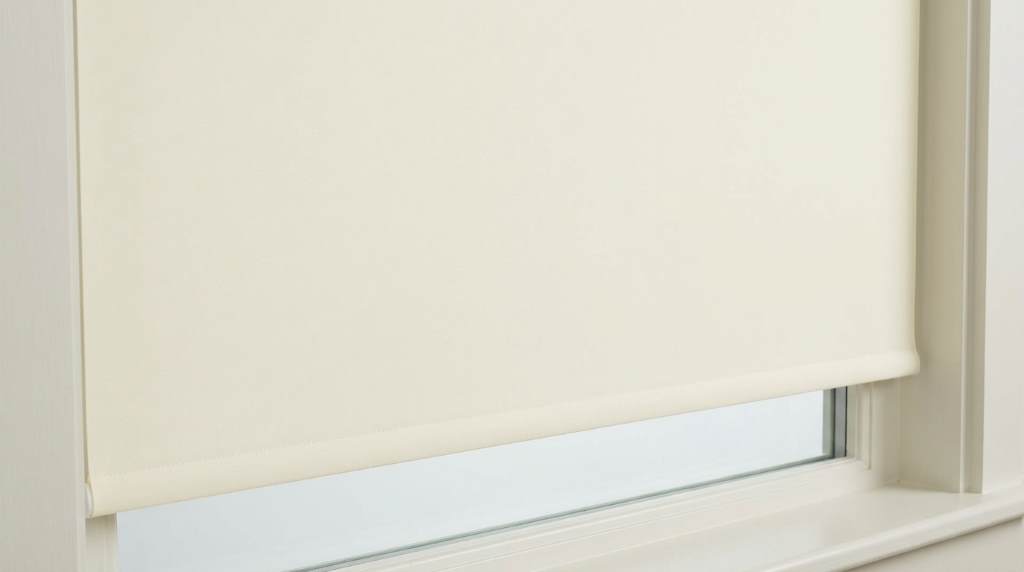
Denver’s Dry Climate Creates Unique Dust Challenges
Denver experiences low humidity during much of the year. Dry air allows particles to stay airborne longer before settling. Furthermore, dust becomes lighter and easier to move through indoor spaces. As a result, window coverings collect dust at a faster rate.
The region also experiences strong seasonal winds. These winds carry fine soil particles from surrounding areas. Similarly, homeowners who follow mountain home roofing tips often understand how local weather affects property maintenance. Indoor dust follows a similar pattern because outdoor particles frequently enter through openings.
Construction growth across the Denver area contributes additional dust. New developments disturb soil and release fine debris. Moreover, these particles travel surprisingly far during windy conditions. Consequently, nearby homes often experience increased indoor dust accumulation.
How Window Placement Affects Dust Buildup
South facing windows receive more sunlight throughout the day. This sunlight creates stronger temperature differences near the glass. Therefore, air circulation increases around the window area. As a result, dust particles settle onto shades more frequently.
Windows near busy roads face additional challenges. Vehicle traffic generates fine dust that enters through small gaps. Furthermore, opening windows allows these particles inside during warmer months. Consequently, shades near traffic corridors often require more frequent cleaning.
Homes with large picture windows can experience similar issues. Bigger glass surfaces create larger air movement zones. In addition, sunlight intensifies thermal airflow around these areas. Therefore, dust naturally gathers on nearby window treatments.
The Hidden Role of Static Electricity
Static electricity plays a major role in dust accumulation. Dry Denver air increases static charges on many materials. Moreover, fabric and synthetic shades attract airborne particles through these charges. As a result, dust clings tightly to the surface.
Many homeowners overlook this factor during routine cleaning. However, static attraction often explains rapid dust return. Even after removing visible dirt, charged surfaces continue attracting particles. Therefore, dust appears again much sooner than expected.
Certain shade materials generate more static than others. Synthetic fabrics often attract greater amounts of airborne debris. Meanwhile, natural materials sometimes collect less dust. Consequently, material selection can influence long term maintenance needs.
HVAC Systems and Airflow Patterns
Heating and cooling systems circulate air throughout a home daily. While they improve comfort, they also move dust particles continuously. Furthermore, poorly maintained filters allow additional debris to travel indoors. Therefore, shades often become collection points for circulating particles.
Air vents positioned near windows create direct airflow paths. These paths push particles toward window coverings repeatedly. Likewise, home design choices such as a mansard roof design small homes approach can influence overall airflow behavior. Indoor circulation patterns significantly affect where dust settles.
Dirty ductwork can worsen the situation further. Dust accumulates inside ducts over time. Then airflow distributes those particles across living spaces. Consequently, window shades collect more debris despite regular cleaning efforts.
An Overlooked Source: Mineral Dust From Snow and Ice Treatments
One rarely discussed cause involves winter road treatments. Denver uses sand and mineral materials during icy conditions. These particles enter homes through shoes, clothing, and pets. Eventually, they break into finer dust indoors.
Many homeowners never connect winter conditions to year round dust problems. However, mineral particles can remain indoors for months. Furthermore, everyday activity keeps them circulating through the air. Therefore, window shades continue collecting residue long after winter ends.
This issue becomes more noticeable in entryways and living rooms. People frequently move through these spaces each day. Consequently, particles spread throughout the home over time. Window coverings often reveal this hidden dust movement first.
How Household Fabrics Contribute to Dust
Fabric furniture continuously releases microscopic fibers. These fibers combine with skin cells and other particles. Moreover, daily use increases the amount released into indoor air. As a result, dust accumulates faster on nearby surfaces.
Curtains, rugs, and upholstered furniture contribute significantly to indoor dust. Even clean fabrics shed tiny particles naturally. Therefore, homeowners may notice recurring buildup despite careful housekeeping. Window shades simply become visible collection points.
Bedrooms often experience higher concentrations of fabric related dust. Bedding materials release fibers during normal use. Additionally, movement while sleeping stirs particles into the air. Consequently, bedroom shades frequently require more frequent attention.
The Impact of Roofing and Exterior Materials
Exterior building materials can indirectly affect indoor dust levels. Roof aging, siding wear, and environmental exposure create tiny particles. Similarly, selecting the best shed materials for canadian summers and winters wood vs metal vs resin demonstrates how material choices influence durability and debris production. Exterior surfaces contribute more than many homeowners realize.
Wind carries microscopic particles from roofs and nearby structures. Small gaps around doors and windows allow entry. Furthermore, changing air pressure pulls outdoor particles indoors. Therefore, shades near exterior walls often show dust buildup first.
Practical Ways to Reduce Dust on Window Shades
Reducing dust requires a complete indoor air strategy. Cleaning shades alone provides temporary results. Instead, homeowners should address the sources creating the problem. Consequently, dust accumulation decreases more effectively.
- Replace HVAC filters regularly.
- Vacuum carpets with HEPA filtration.
- Seal window and door gaps.
- Dust furniture before vacuuming floors.
- Wash fabric items frequently.
- Clean air vents several times yearly.
Adding a quality air purifier can also help. Air purifiers capture fine particles before they settle. Moreover, they reduce airborne debris throughout occupied rooms. Therefore, window coverings stay cleaner for longer periods.
Best Cleaning Methods for Window Shades
Regular maintenance prevents heavy dust accumulation. Light cleaning once each week works better than occasional deep cleaning. Furthermore, frequent removal reduces particle buildup before it becomes noticeable. Consequently, shades maintain a cleaner appearance.
Microfiber cloths work particularly well for dust removal. They trap particles instead of spreading them around. Additionally, vacuum attachments help reach textured surfaces safely. Therefore, homeowners can clean more effectively without damaging materials.
For stubborn buildup, use gentle cleaning products approved by manufacturers. Avoid overly harsh chemicals whenever possible. Moreover, test products on a small area first. As a result, shades remain attractive while staying free from excessive dust.
When Professional Help May Be Necessary
Persistent dust problems sometimes indicate larger issues. Poor insulation, duct contamination, or air leakage may exist. Furthermore, these problems can affect energy efficiency and comfort. Therefore, professional evaluation may provide long term solutions.
Indoor air quality specialists can identify hidden dust sources. They use testing methods unavailable to most homeowners. Additionally, professionals can recommend targeted improvements. Consequently, dust problems become easier to manage.
Conclusion
Indoor dust keeps returning on window shades in Denver because several factors work together. Dry air, wind, airflow patterns, static electricity, and outdoor particles all contribute. Moreover, hidden sources inside the home continuously release new debris. Therefore, successful dust control requires more than routine cleaning.
By improving filtration, reducing indoor particle sources, and maintaining window coverings consistently, homeowners can achieve better results. Furthermore, addressing airflow and sealing issues creates lasting improvements. Start reviewing your home’s dust sources today and create a cleaner indoor environment that keeps shades looking fresh longer.
FAQs
Why do my window shades get dusty so quickly?
Window shades collect airborne particles because they sit directly within active airflow paths near windows.
Does Denver’s climate increase indoor dust?
Yes, Denver’s dry climate and seasonal winds help keep particles airborne longer.
Can HVAC filters reduce dust on shades?
Yes, high quality filters capture airborne particles before they settle on surfaces.
Which shade materials attract the most dust?
Synthetic materials often attract more dust because static electricity builds easily on them.
How often should I clean window shades?
Weekly dust removal usually prevents heavy buildup and keeps shades looking cleaner.







