
Texas roofing troubles strike hard, with harsh weather and environmental factors battering homes relentlessly. From scorching heat to fierce storms, roofs in the Lone Star State face unique challenges that can lead to costly repairs. Understanding what damages roofs the most empowers homeowners to protect their investments. This blog post explores the primary culprits behind roof damage in Texas, offering practical insights and tips. Whether you’re a new homeowner or a seasoned Texan, you’ll find valuable advice to safeguard your roof. Let’s dive into the forces wreaking havoc on Texas roofs and how to tackle them effectively.
Extreme Weather Conditions Impacting Texas Roofs
Texas weather is notoriously unpredictable, delivering a punishing mix of storms, high winds, and hail that wreak havoc on roofs. Hailstones, sometimes as large as golf balls, pummel shingles, causing cracks and granule loss. According to a 2023 study by the National Oceanic and Atmospheric Administration (NOAA), Texas experiences over 1,000 hail events annually, with damages costing homeowners billions. High winds, especially during hurricanes, tear off shingles or entire roof sections. My own roof in Austin suffered shingle loss after a 2022 storm, requiring immediate repairs to prevent leaks.
Additionally, tornadoes and thunderstorms exacerbate Texas roofing troubles. These events loosen roofing materials, allowing water to seep into underlying structures. Homeowners often overlook minor damage, which worsens over time. Regular inspections after storms can catch issues early. Understanding these weather-related threats helps Texans prioritize timely maintenance and choose durable roofing materials suited for the region’s climate.
Scorching Heat and UV Radiation Effects
Texas summers bring relentless heat, with temperatures often exceeding 100°F, accelerating roof deterioration. Prolonged exposure to ultraviolet (UV) rays weakens asphalt shingles, causing them to crack and lose protective granules. A 2021 Texas A&M University study found that UV radiation reduces shingle lifespan by up to 20% in high-heat regions. This degradation leads to leaks and costly replacements. I noticed my neighbor’s roof in Houston fading after just a decade, a clear sign of UV damage.
Moreover, heat causes thermal expansion, stressing roofing materials and creating gaps. These gaps invite water infiltration, compounding Texas roofing troubles. Homeowners can combat this by choosing heat-resistant materials like metal or reflective coatings. Regular maintenance, such as cleaning debris and checking for cracks, also mitigates heat-related damage. By addressing these issues proactively, Texans can extend their roof’s lifespan significantly.
Poor Installation and Maintenance Issues
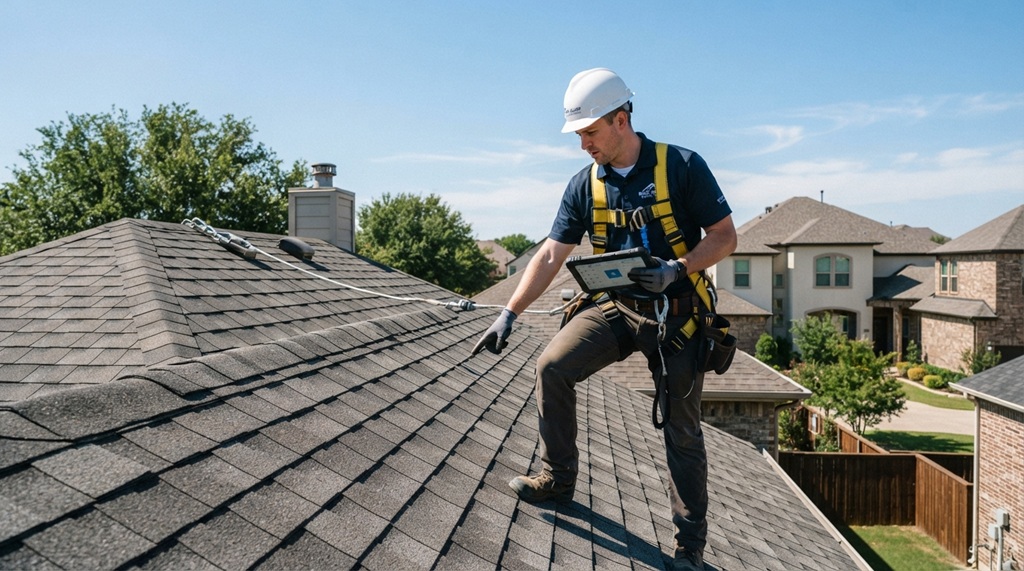
Improper installation is a leading cause of Texas roofing troubles, often overlooked until problems arise. Shoddy workmanship, like incorrect nailing or inadequate sealing, leaves roofs vulnerable to leaks and wind damage. A poorly installed roof in my Dallas cousin’s home led to water damage within two years, requiring a full replacement. Hiring certified contractors with proven track records is crucial to avoid such pitfalls.
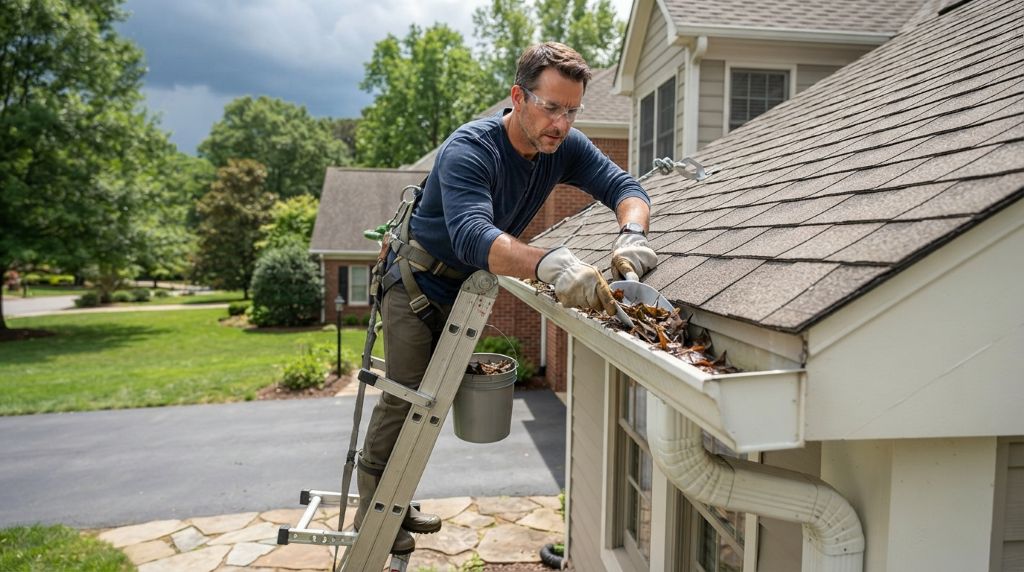
Neglecting regular maintenance also accelerates roof damage. Debris buildup traps moisture, fostering mold and rot. Homeowners should inspect roofs biannually, especially after storms, to clear debris and check for loose shingles. Simple steps like cleaning gutters prevent water backup, which can weaken roof structures. By prioritizing quality installation and consistent upkeep, Texans can protect their roofs from premature failure and costly repairs.

Tips to Protect Your Texas Roof
Safeguarding your roof from Texas roofing troubles requires proactive measures. Here are practical tips to ensure durability:
- Choose Durable Materials: Opt for impact-resistant shingles or metal roofs to withstand hail and wind.
- Schedule Regular Inspections: Check your roof twice a year and after major storms to catch issues early.
- Clean Gutters Frequently: Prevent water backup by removing debris from gutters and downspouts.
- Apply Reflective Coatings: Reduce UV damage with coatings that reflect heat and protect shingles.
- Hire Certified Contractors: Ensure proper installation by working with licensed, experienced professionals.
Implementing these steps can significantly extend your roof’s lifespan. For instance, after applying a reflective coating to my San Antonio home’s roof, I noticed cooler attic temperatures and fewer shingle cracks. By staying vigilant, homeowners can minimize damage and avoid unexpected repair costs.
Tree Overhang and Debris Accumulation Problems
Overhanging trees and debris buildup pose significant Texas roofing troubles. Falling branches during storms can puncture shingles or dislodge tiles, while accumulated leaves trap moisture, promoting mold and algae growth. In my Fort Worth neighborhood, a friend’s roof suffered leaks due to unchecked tree debris, leading to costly interior repairs. Regular trimming of overhanging branches reduces these risks.
Furthermore, debris creates an environment for pests, which can chew through roofing materials. Homeowners should clear roofs of leaves, twigs, and other debris seasonally. Installing gutter guards also helps prevent clogs that lead to water overflow. By addressing tree-related issues promptly, Texans can protect their roofs from structural damage and maintain their home’s integrity.
Aging and Material Wear Over Time
Roofs naturally age, but Texas’s harsh climate accelerates material wear, intensifying roofing troubles. Asphalt shingles, common in Texas, typically last 15–20 years, but extreme conditions can shorten this to 10–12 years. A 2022 report by the Texas Department of Insurance notes that aging roofs account for 30% of homeowner insurance claims in the state. Cracked or curling shingles signal the need for replacement.
Regular inspections can identify wear early, preventing leaks and structural damage. My uncle in El Paso replaced his aging roof just before a major storm, avoiding severe water damage. Upgrading to durable materials like metal or slate can also extend roof life. By monitoring and addressing age-related wear, homeowners can avoid the steep costs of emergency repairs and maintain a secure home.
Strong Conclusion to Protect Your Roof
Texas roofing troubles, from brutal storms to scorching heat, challenge every homeowner. By understanding key threats like hail, UV radiation, and poor maintenance, you can take proactive steps to protect your roof. Regular inspections, quality materials, and timely repairs are your best defenses against costly damage. Don’t let Texas’s harsh climate catch you off guard—act now to ensure your roof’s longevity. Share your roofing tips or experiences in the comments below, or spread this article to help others safeguard their homes!
FAQs
What weather conditions most damage Texas roofs?
Hail, high winds, and heavy rain from storms cause the most damage, cracking shingles and causing leaks.
How does Texas heat affect roofing materials?
Intense heat and UV radiation degrade shingles, causing cracks and granule loss, shortening roof lifespan.
Why is regular roof maintenance important in Texas?
Maintenance prevents debris buildup, catches minor damage early, and extends roof life in harsh Texas weather.
What materials are best for Texas roofs?
Impact-resistant shingles, metal, or slate offer durability against Texas’s extreme weather and heat.
How often should I inspect my Texas roof?
Inspect your roof twice yearly and after major storms to address Texas roofing troubles promptly.
Related Topics: