
Southern California’s year-round sunshine creates a paradise for residents, but it poses significant challenges for roof protection from UV damage. The intense ultraviolet radiation in SoCal can cause roofing materials to deteriorate rapidly, leading to costly repairs and replacements. However, homeowners can take proactive steps to shield their roofs from harmful UV rays. This comprehensive guide explores effective strategies to protect your roof from UV damage while maintaining your home’s structural integrity. From selecting the right materials to implementing proper maintenance routines, we’ll cover everything you need to know about safeguarding your investment against Southern California’s relentless sun.
Understanding UV Damage and Its Impact on Southern California Roofs
Ultraviolet radiation creates serious threats to roofing systems throughout Southern California. The sun’s UV rays break down molecular bonds in roofing materials, causing them to become brittle and crack over time. This process, known as photodegradation, affects virtually all roofing materials differently.
Additionally, the combination of UV exposure and temperature fluctuations accelerates material breakdown. During hot days, roofing materials expand, while cool nights cause contraction. This constant cycle weakens structural integrity and creates opportunities for water infiltration. Therefore, understanding these processes helps homeowners make informed decisions about roof protection strategies.
Why Southern California Faces Unique Roofing UV Challenges
Southern California experiences some of the highest UV radiation levels in the United States. The region’s Mediterranean climate combines intense sunlight with minimal cloud cover, creating perfect conditions for UV damage. Moreover, the high altitude areas and desert proximity increase exposure intensity significantly.
The state’s building codes reflect these challenges, requiring specific materials and installation methods. However, many older homes lack adequate protection against modern UV intensity levels. Furthermore, climate change has intensified UV exposure, making traditional roofing materials more vulnerable than ever before.
Essential Roofing Materials That Resist UV Damage Effectively
Cool Roof Technologies and Reflective Solutions
Cool roof systems represent the gold standard for UV protection in Southern California. These materials reflect sunlight and emit absorbed heat more efficiently than traditional options. Cool roofs can reduce surface temperatures by up to 50 degrees Fahrenheit compared to conventional materials.
Reflective coatings, white membranes, and specially designed tiles all qualify as cool roof solutions. These materials not only protect against UV damage but also reduce energy costs significantly. Therefore, investing in cool roof technology provides both immediate and long-term benefits for Southern California homeowners.
High-Performance Asphalt Shingles with UV Protection
Modern asphalt shingles incorporate advanced UV-resistant granules and modified bitumen formulations. These improvements significantly extend lifespan compared to traditional shingles. Premium brands offer warranties specifically covering UV damage in high-exposure climates like Southern California.
However, proper installation remains crucial for maximizing UV protection benefits. Professional installation ensures proper ventilation and alignment, which directly impacts UV resistance effectiveness. Additionally, regular maintenance schedules help identify potential issues before they become major problems.
Metal Roofing Options for Maximum UV Resistance
Metal roofing systems provide exceptional UV protection when properly coated and installed. Aluminum, steel, and copper options all offer different benefits for Southern California applications. Metal roofs reflect heat effectively and maintain structural integrity under intense UV exposure.
Furthermore, metal roofing systems typically last 40-70 years with proper maintenance. The initial investment costs more than traditional materials, but long-term savings make metal roofing economically attractive. Therefore, many Southern California homeowners choose metal roofing for its superior UV protection capabilities.
Professional Roof Maintenance Strategies for UV Protection
Regular Inspection Schedules and Early Detection Methods
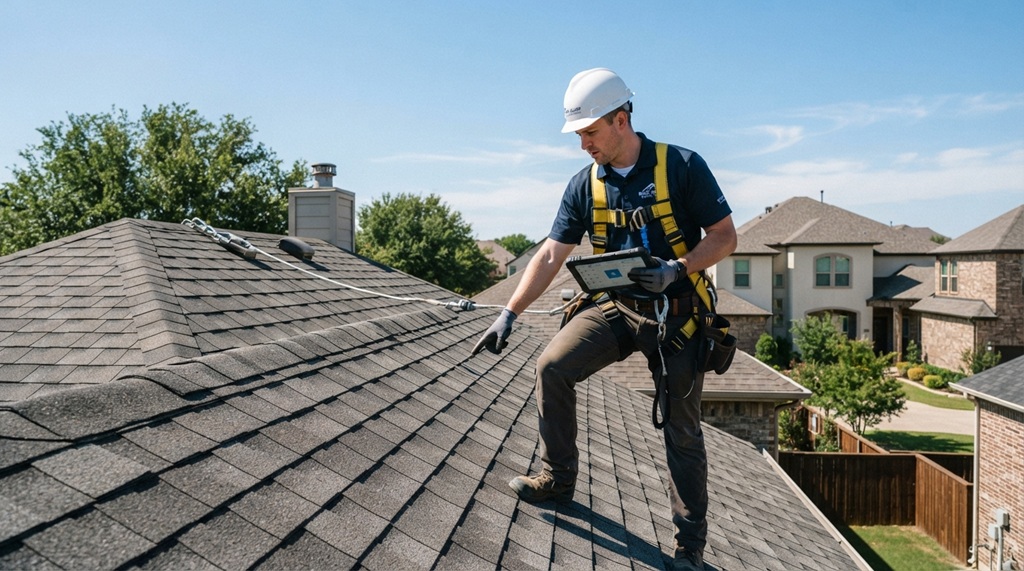
Professional roof inspections should occur twice yearly in Southern California’s intense UV environment. Spring and fall inspections help identify UV damage before it compromises structural integrity. Trained professionals can spot early signs of photodegradation that homeowners might miss.
Early detection saves significant money by addressing minor issues before they require major repairs. Professional inspectors use specialized equipment to assess UV damage accurately. Additionally, they provide detailed reports with prioritized recommendations for maintenance and repairs.
Protective Coating Applications and Maintenance Schedules
Protective coatings create barriers between roofing materials and harmful UV radiation. These coatings require reapplication every 5-10 years depending on exposure intensity and material quality. Professional application ensures proper coverage and adhesion for maximum effectiveness.
However, coating selection depends on roofing material type and local climate conditions. Some coatings work better on specific materials, while others provide broader compatibility. Therefore, consulting with roofing professionals helps ensure optimal coating selection for your specific situation.

Cost-Effective DIY Solutions for Homeowner UV Protection
Simple Maintenance Tasks Every Homeowner Can Perform
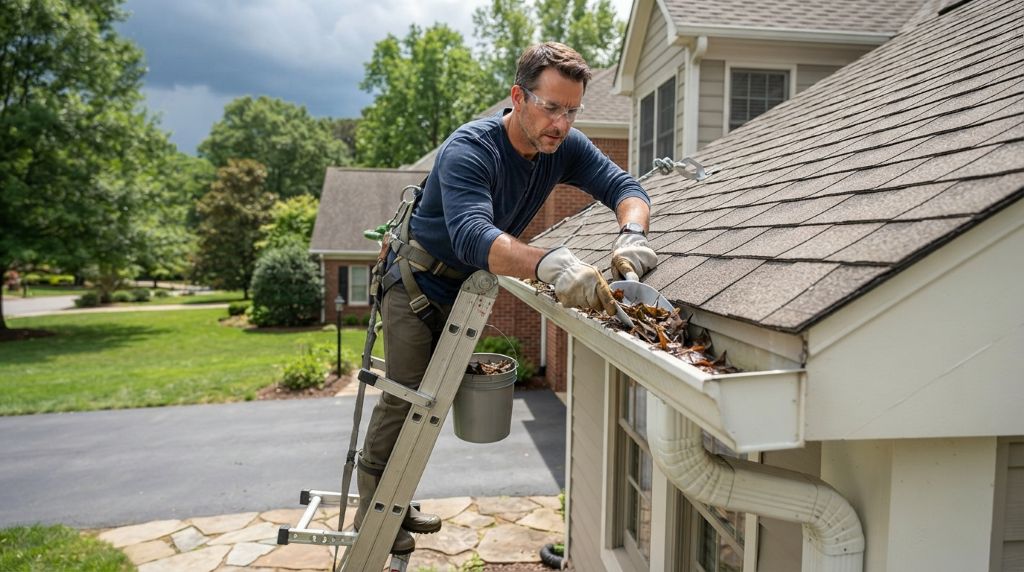
Homeowners can perform several maintenance tasks to protect their roofs from UV damage. Regular gutter cleaning prevents water backup that accelerates UV damage effects. Removing debris from roof surfaces eliminates moisture retention that compounds UV deterioration.
Additionally, trimming overhanging tree branches reduces falling debris and provides better air circulation. These simple tasks require minimal investment but provide significant UV protection benefits. However, safety should always be the primary concern when performing any roof-related maintenance activities.
Affordable Coating Products and Application Techniques
Several consumer-grade roof coatings offer decent UV protection at reasonable costs. These products typically require basic tools and can be applied during favorable weather conditions. Proper surface preparation remains crucial for achieving good adhesion and longevity.
Furthermore, timing applications correctly maximizes coating effectiveness and durability. Most coatings perform best when applied during moderate temperatures with low humidity. Therefore, planning coating projects during optimal weather conditions ensures better results and longer-lasting protection.
When to Call Professional Roofing Contractors for UV Damage
Warning Signs That Require Professional Assessment
Several warning signs indicate the need for professional roofing evaluation. Cracked, curled, or missing shingles suggest significant UV damage that requires expert attention. Granule loss on asphalt shingles also indicates advanced photodegradation requiring professional assessment.
Moreover, water stains on ceilings or walls often indicate compromised roof integrity from UV damage. These signs require immediate professional attention to prevent further structural damage. Additionally, energy bill increases might indicate reduced roof efficiency from UV-related deterioration.
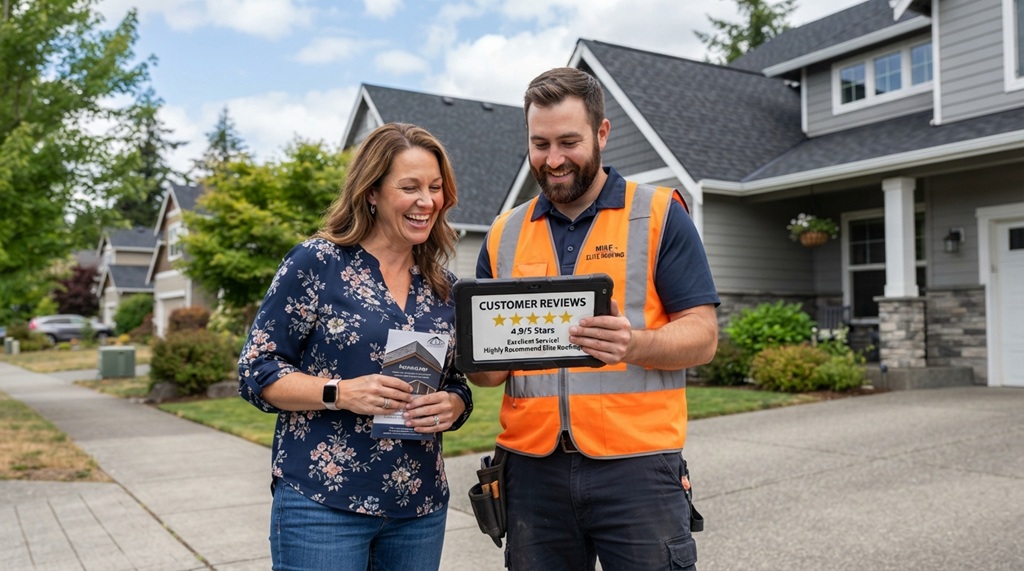
Choosing Qualified Roofing Professionals in Southern California
Selecting qualified roofing professionals ensures proper UV damage assessment and repair. Look for contractors with specific experience in Southern California’s unique climate challenges. Valid licensing, insurance coverage, and local references provide important credibility indicators.
Furthermore, experienced contractors understand local building codes and climate-specific material requirements. They can recommend appropriate solutions based on your home’s specific exposure patterns and budget constraints. Therefore, investing time in contractor selection pays dividends in long-term roof protection effectiveness.
Long-Term Investment Benefits of UV Roof Protection
Protecting your roof from UV damage provides substantial long-term financial benefits. Energy savings alone can offset initial investment costs within 5-10 years in Southern California’s climate. Additionally, extended roof lifespan reduces replacement frequency and associated costs significantly.
Property value increases also result from quality UV protection investments. Modern UV-resistant roofing systems appeal to environmentally conscious buyers and demonstrate responsible home maintenance. Therefore, UV protection investments provide both immediate and long-term returns for Southern California homeowners.
Personal Experience: Learning the Hard Way About UV Damage
Three years ago, I discovered firsthand how devastating UV damage can be to Southern California roofs. My neighbor’s 15-year-old asphalt shingle roof began shedding granules rapidly during a particularly intense summer. The accumulated granules in his gutters resembled coarse sand, indicating severe photodegradation.
The replacement cost exceeded $25,000, which could have been avoided with proper UV protection measures. This experience taught me the importance of proactive roof maintenance and UV protection strategies. Since then, I’ve implemented regular coating applications and professional inspections, which have kept my roof in excellent condition despite intense Southern California sun exposure.
Conclusion
Protecting your roof from UV damage in Southern California requires a comprehensive approach combining quality materials, regular maintenance, and professional expertise. The region’s intense ultraviolet radiation creates unique challenges that demand proactive solutions rather than reactive repairs. By implementing the strategies outlined in this guide, homeowners can significantly extend their roof’s lifespan while reducing energy costs and maintaining property values.
The investment in proper UV protection pays dividends through reduced repair costs, improved energy efficiency, and enhanced home value. Whether choosing cool roof technologies, protective coatings, or professional maintenance programs, taking action now prevents costly problems later. Remember that Southern California’s climate demands specialized attention to roof protection, making informed decisions crucial for long-term success.
Frequently Asked Questions
How often should I inspect my roof for UV damage in Southern California?
Professional inspections should occur twice yearly, preferably in spring and fall. However, homeowners should perform visual checks monthly, especially after severe weather events or during peak summer months when UV intensity reaches maximum levels.
What are the most cost-effective UV protection methods for older roofs?
Protective coatings offer the most affordable UV protection for existing roofs. Quality elastomeric coatings can extend roof life by 10-15 years when properly applied and maintained, making them ideal for budget-conscious homeowners.
Do homeowner insurance policies cover UV damage to roofs?
Most standard homeowner policies exclude gradual UV deterioration as normal wear and tear. However, sudden damage from UV-weakened materials during storms may qualify for coverage. Always review your policy details with your insurance agent.
How much can cool roof systems reduce energy costs in Southern California?
Cool roof systems can reduce cooling costs by 15-25% in Southern California’s climate. The exact savings depend on home size, insulation quality, and HVAC system efficiency, but most homeowners see noticeable reductions in summer electricity bills.
When is the best time to apply protective roof coatings in Southern California?
Apply protective coatings during mild weather periods, typically spring or fall when temperatures range between 50-85°F. Avoid application during rainy seasons or extreme heat periods to ensure proper adhesion and curing of coating materials.
Ready to protect your roof from UV damage? Share this article with fellow Southern California homeowners and leave a comment about your roofing experiences. Your insights help build a stronger community of informed homeowners committed to protecting their investments from the Golden State’s intense sunshine.
Read More: