

Florida’s unique climate, with its intense sun, heavy rains, and frequent hurricanes, creates significant roofing problems for homeowners. High humidity, saltwater corrosion, and extreme weather conditions can damage even the sturdiest roofs. Addressing these issues promptly ensures homes remain safe and energy-efficient. This article explores the top eight roofing problems in Florida and provides practical solutions to fix them. By understanding these challenges and their fixes, homeowners can protect their properties and avoid costly repairs. Let’s dive into the common issues and actionable steps to maintain a durable roof.
Persistent Leaks from Heavy Rainfall
Florida’s rainy season, from May to October, brings heavy downpours that test roof integrity. According to the National Oceanic and Atmospheric Administration (NOAA), Florida receives an average of 54 inches of rain annually, often leading to leaks. These leaks occur when water seeps through worn shingles, cracked flashing, or clogged gutters, causing interior damage.
To fix leaks, inspect your roof regularly for damaged shingles or flashing. Replace missing shingles and seal cracks with roofing cement. Clear gutters to ensure proper drainage. For persistent issues, hire a professional roofer to apply waterproof coatings. Regular maintenance prevents small leaks from escalating into major repairs, saving time and money.
Shingle Damage from Intense Sun Exposure
Florida’s relentless sunlight accelerates shingle deterioration. UV rays cause asphalt shingles to crack, curl, or fade, reducing their lifespan. A study by the University of Florida found that shingles in Florida last 15-20 years, compared to 25-30 years in milder climates.
Replace damaged shingles immediately to prevent leaks. Opt for UV-resistant shingles, like architectural or composite types, for better durability. Applying a reflective roof coating can also reduce heat absorption. My neighbor in Miami ignored cracked shingles, leading to costly water damage. Regular inspections and timely replacements extend roof life and maintain home value.
Wind Damage from Hurricanes and Storms
Hurricanes and tropical storms frequently threaten Florida, with winds exceeding 74 mph capable of ripping off shingles or entire roof sections. The Federal Emergency Management Agency (FEMA) reports that Florida faces an average of two hurricanes annually, causing significant roof damage.
Reinforce your roof with hurricane straps or clips to secure it against high winds. Use impact-resistant shingles rated for 110-130 mph winds. After a storm, inspect for missing shingles or structural damage and repair promptly. Installing a metal roof can also enhance resilience. These steps ensure your roof withstands Florida’s stormy seasons.
Mold and Mildew Growth from Humidity
Florida’s high humidity, often exceeding 70%, fosters mold and mildew on roofs. These fungi thrive in damp environments, discoloring shingles and weakening roof materials. Left unchecked, mold can spread to interior spaces, posing health risks.
Clean your roof with a mildew-resistant solution and a low-pressure washer to remove growth. Install zinc or copper strips along roof ridges to prevent future mold. Ensure proper attic ventilation to reduce moisture buildup. Regular cleaning and ventilation maintenance keep your roof mold-free and structurally sound.
Saltwater Corrosion in Coastal Areas
Homes near Florida’s coast face saltwater corrosion, which erodes metal roofing components like flashing and fasteners. The National Weather Service notes that coastal areas experience higher corrosion rates due to salty air carried by ocean breezes.
Use corrosion-resistant materials, such as stainless steel or aluminum, for metal components. Apply protective coatings to existing metal parts. Regular rinsing with fresh water removes salt buildup. A friend in Key West extended his roof’s life by using galvanized materials and annual maintenance, proving the value of proactive care in coastal regions.
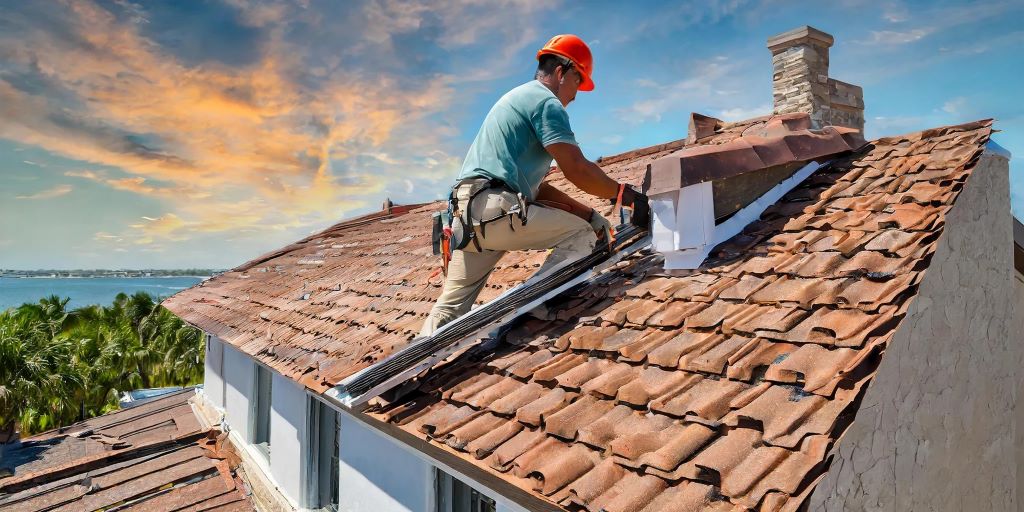
Debris Accumulation from Tropical Storms
Tropical storms and hurricanes scatter debris like branches and leaves onto roofs, clogging gutters and trapping moisture. This debris can cause water pooling, leading to leaks or structural damage over time.
Clear debris after storms using a leaf blower or broom. Install gutter guards to prevent clogs and ensure smooth water flow. Schedule professional cleanings biannually, especially after storm season. Keeping your roof debris-free reduces the risk of water damage and maintains its appearance.
Poor Ventilation Leading to Heat Buildup
Florida’s heat, often exceeding 90°F, combined with poor attic ventilation, causes heat buildup that warps shingles and increases cooling costs. Proper ventilation extends roof life and improves energy efficiency.
Install ridge vents or soffit vents to promote airflow. Ensure vents are free of obstructions. A professional can assess your attic’s ventilation needs. I once noticed my energy bills spiking due to poor ventilation, which a simple vent installation fixed. Adequate ventilation protects your roof and reduces utility expenses.
Animal and Pest Infestations on Roofs
Florida’s warm climate attracts pests like birds, squirrels, and insects, which can damage roofs by nesting or chewing materials. These infestations weaken shingles and create entry points for water.
Seal gaps around vents and chimneys with mesh or caulk. Use deterrents like reflective tape or owl decoys to keep birds away. For severe infestations, contact a pest control expert. Regular inspections and sealing prevent pest-related damage, keeping your roof intact.
Practical Tips to Prevent Roofing Problems
To maintain a durable roof in Florida, follow these actionable tips:
- Inspect your roof biannually for damage or wear.
- Clean gutters monthly to prevent clogs.
- Use impact-resistant materials for storm-prone areas.
- Schedule professional maintenance annually.
- Invest in reflective coatings to combat UV damage.
These steps, based on Florida’s unique climate challenges, help homeowners avoid costly repairs and extend roof lifespan.
Conclusion
Florida’s harsh climate, from heavy rains to intense sun, poses unique roofing problems that demand proactive solutions. By addressing leaks, shingle damage, wind impacts, and other issues promptly, homeowners can safeguard their properties. Regular maintenance, quality materials, and professional help ensure roofs withstand Florida’s challenges. Don’t wait for small issues to become major expenses—act now to protect your home. Share your roofing tips or experiences in the comments below, or spread this article to help others maintain their roofs!
FAQs
What causes roof leaks in Florida homes?
Heavy rainfall and worn shingles cause leaks. Regular inspections and sealing cracks prevent water damage.
How can I protect my roof from hurricanes?
Use hurricane straps, impact-resistant shingles, and reinforce weak areas to withstand high winds.
Why does mold grow on Florida roofs?
High humidity promotes mold growth. Clean with mildew-resistant solutions and improve ventilation.
How often should I inspect my Florida roof?
Inspect biannually, especially before and after storm season, to catch issues early.
Are metal roofs better for Florida’s climate?
Metal roofs resist corrosion and wind, making them ideal for Florida’s coastal and stormy conditions.
Read More:







