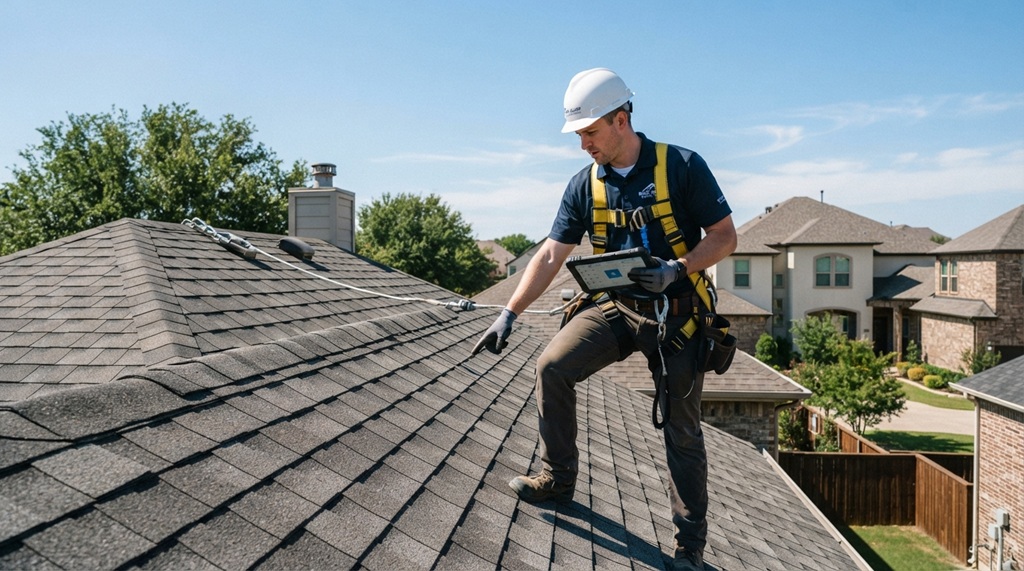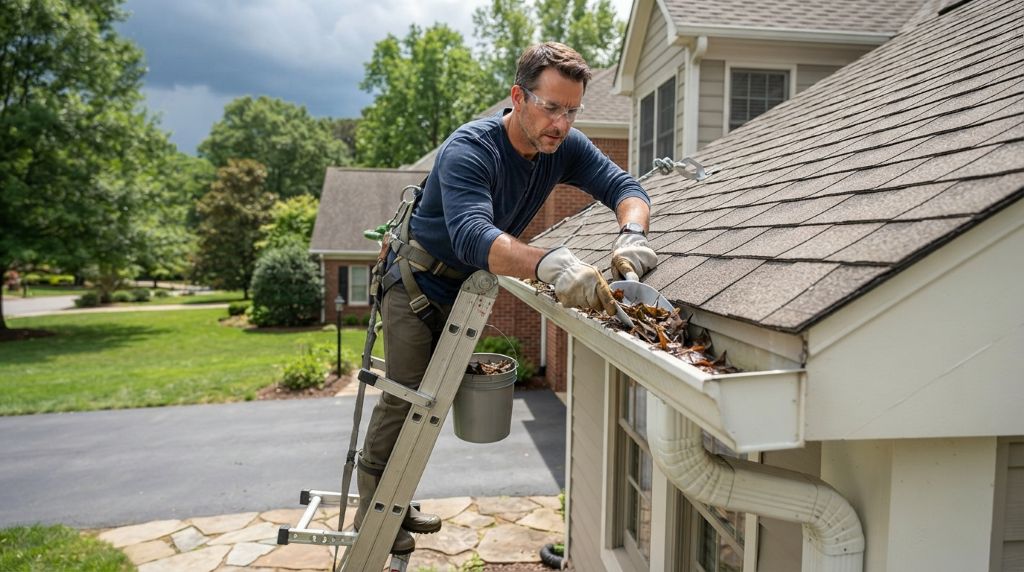

California’s unique climate, from scorching deserts to foggy coasts, puts roofs to the test. Homeowners often face unexpected roofing issues that can lead to costly repairs if ignored. This guide explores the top seven roofing problems specific to California, offering practical solutions to protect your home. Whether you’re dealing with leaks or heat damage, understanding these challenges helps you act fast. With insights from experts and real-life experiences, this post aims to educate, demonstrate, and fascinate you while addressing common roofing concerns.
Sun Damage from Intense California Heat
California’s relentless sun takes a toll on roofs, especially in inland areas like the Central Valley. Prolonged exposure to UV rays causes shingles to crack, fade, or become brittle, reducing their lifespan. Asphalt shingles, common in many homes, may only last 15-20 years under intense heat, compared to 25-30 years in milder climates. According to a 2019 study by the California Energy Commission, roofs in high-sun areas lose up to 30% of their reflectivity over time, increasing cooling costs.
To combat sun damage, homeowners can opt for reflective “cool roofs” that deflect UV rays. Regular inspections can catch early signs of wear, such as curling shingles. A friend in Fresno shared how their roof’s faded shingles led to higher energy bills until they switched to reflective coating, saving 15% on cooling costs. Applying UV-resistant sealants every few years can also extend roof life, ensuring your home stays protected.
Leaks Due to Heavy Rain and Storms
Despite California’s reputation for drought, coastal and northern regions face heavy rainfall, especially during El Niño years. Leaks often stem from damaged shingles, clogged gutters, or poor flashing around chimneys. A 2021 report from the National Oceanic and Atmospheric Administration noted that California storms cause $1 billion in annual property damage, with roofs being a primary victim.
Inspecting your roof after storms is crucial to catch leaks early. Look for water stains on ceilings or damp attic insulation. One homeowner in Monterey found a small leak that turned into a $5,000 repair after neglecting it for months. Clearing debris from gutters and ensuring proper drainage can prevent water pooling. For added protection, consider installing high-quality flashing and sealing vulnerable areas annually to keep your roof watertight.
Wind Damage from Coastal and Desert Gusts
High winds in coastal areas like San Diego or desert regions like Palm Springs can tear shingles or loosen roofing materials. Winds exceeding 50 mph, common during Santa Ana events, can lift shingles, exposing underlayment. The Federal Emergency Management Agency reported in 2020 that wind-related roof damage costs California homeowners $500 million annually.
To mitigate wind damage, secure shingles with high-wind-rated adhesives during installation. Regular checks for loose or missing shingles can prevent further exposure. A neighbor in Santa Barbara replaced their standard shingles with wind-resistant ones after a storm scattered debris across their yard, saving them from recurring repairs. Trimming nearby trees also reduces the risk of branches falling during gusts, protecting your roof’s integrity.
Poor Ventilation Leading to Heat and Moisture Issues
Inadequate roof ventilation traps heat and moisture, causing premature shingle aging and mold growth. In California’s warm climate, attics can reach 150°F without proper airflow, reducing roof lifespan by up to 25%. Poor ventilation also leads to ice dams in colder Sierra regions, where trapped moisture freezes and expands.
Installing ridge vents or soffit vents ensures proper airflow, reducing heat buildup. A homeowner in Sacramento noticed mold in their attic due to blocked vents, which cost $3,000 to remediate. Regularly cleaning vents and checking for blockages can prevent these issues. For optimal results, consult a roofing professional to assess your ventilation system and recommend upgrades tailored to your home’s design.

Debris Accumulation from Trees and Storms
California’s abundant trees, from oaks to pines, drop leaves, needles, and branches onto roofs, especially during fall and winter storms. Debris traps moisture, leading to rot, mold, or algae growth. In coastal areas, salty air can accelerate corrosion of metal roofing components, worsening damage.
To address debris, clean your roof and gutters biannually, especially before the rainy season. Use a leaf blower or hire a professional for safe removal. A family in Marin County avoided costly repairs by scheduling annual cleanings after pine needles clogged their gutters, causing leaks. Installing gutter guards can also minimize buildup, ensuring water flows freely and protecting your roof from long-term damage.
Cracked or Missing Flashing Around Roof Penetrations
Flashing, the metal strips sealing roof joints around chimneys, vents, or skylights, is prone to cracking or loosening in California’s extreme weather. Heat expansion and contraction weaken flashing, while storms can dislodge it, leading to leaks. This issue is prevalent in older homes with outdated materials.
Regularly inspect flashing for rust, cracks, or gaps, and apply sealant to minor issues. A homeowner in San Francisco discovered rusted flashing around their chimney, leading to a $2,000 repair after water seeped into their walls. Replacing old flashing with corrosion-resistant materials like stainless steel can prevent future problems. For complex repairs, hire a licensed contractor to ensure proper installation and long-lasting protection.
Algae and Moss Growth in Coastal Regions
In humid coastal areas like Santa Cruz or Humboldt, algae and moss thrive on roofs, creating unsightly streaks and weakening shingles. Moss retains moisture, accelerating shingle deterioration, while algae can reduce a roof’s energy efficiency by absorbing heat. This is especially common in shaded areas with poor sunlight exposure.
To combat algae and moss, clean your roof with a mild bleach solution or hire a professional for eco-friendly treatments. A colleague in Monterey cleared moss from their roof, extending its life by five years. Installing zinc or copper strips along the roof ridge can prevent regrowth, as rainwater washes trace metals over the surface. Regular maintenance ensures your roof stays clean and functional.
Tips to Prevent Common Roofing Problems
Preventing roofing issues saves time and money. Here are practical steps to protect your California home:
- Inspect Annually: Check for damaged shingles, flashing, or debris buildup.
- Clean Gutters Regularly: Prevent clogs that cause water pooling.
- Use Reflective Materials: Cool roofs reduce heat damage in sunny areas.
- Ensure Proper Ventilation: Install vents to avoid heat and moisture buildup.
- Hire Professionals: For complex repairs, trust licensed contractors.
Implementing these tips can extend your roof’s lifespan and minimize costly repairs.
Conclusion
California’s diverse climate creates unique roofing challenges, from sun damage to algae growth. By understanding these seven common issues—sun damage, leaks, wind damage, poor ventilation, debris accumulation, cracked flashing, and algae growth—homeowners can take proactive steps to protect their homes. Regular inspections, timely repairs, and preventive measures like cool roofs or gutter guards make a difference. Don’t wait for small problems to become expensive headaches. Share your roofing experiences in the comments or spread this guide to help others safeguard their homes!
FAQs
What causes roof leaks in California homes?
Leaks often result from damaged shingles, clogged gutters, or poor flashing. Regular inspections and timely repairs can prevent water damage.
How does California’s heat affect my roof?
Intense UV rays cause shingles to crack or fade, reducing lifespan. Reflective cool roofs and UV sealants help mitigate heat damage.
Can wind damage my roof in California?
Yes, coastal and desert winds can lift shingles or loosen materials. Use wind-resistant shingles and secure flashing to minimize risks.
How do I prevent algae growth on my roof?
Clean roofs with mild bleach or install zinc strips to deter algae. Regular maintenance in humid coastal areas is essential.
Why is roof ventilation important in California?
Proper ventilation prevents heat and moisture buildup, extending roof life. Blocked vents can cause mold or premature shingle aging.
Read More: