
The roof is one of the most defining elements of a home’s character and efficiency. When homeowners face the decision between a flat and a pitched roof, the debate goes beyond looks—it touches durability, cost, energy savings, and future-proofing. Each roof type has its unique appeal and practical advantages. This comprehensive comparison helps homeowners, architects, and renovators decide which design aligns best with both aesthetic goals and functional demands.
What Is the Key Difference Between Flat and Pitched Roofs?
Flat roofs have little to no slope—typically a pitch of 1-10 degrees. Pitched roofs are sloped, ranging from moderate to steep inclines, often around 18 to 45 degrees. While flat roofs offer a modern aesthetic, pitched roofs often resonate with traditional charm and high-function resilience.
Featured Snippet: Is a Flat or Pitched Roof Better for a Modern Home?
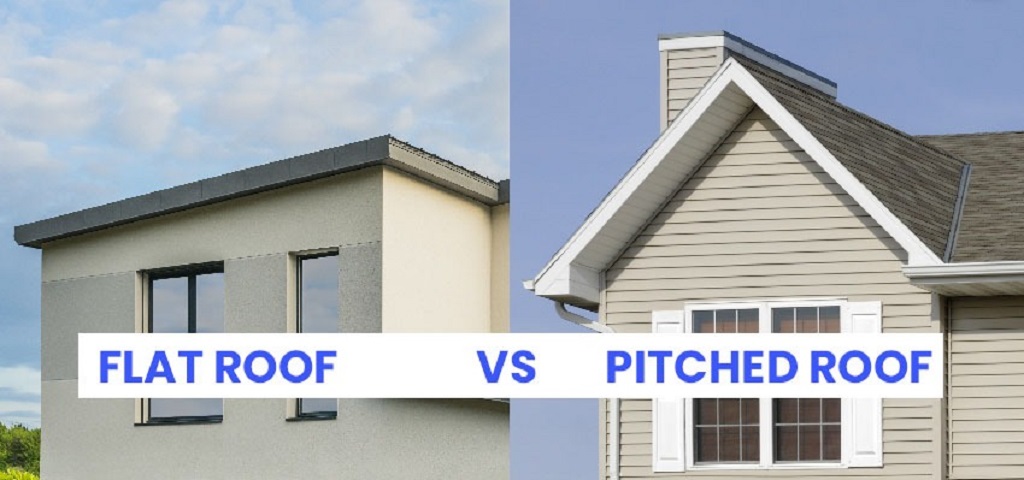
A flat roof suits modern homes due to its sleek, minimalist look and ability to support rooftop gardens or solar panels. In contrast, pitched roofs deliver better water drainage and longevity. If you prioritize clean architectural lines and outdoor living space, a flat roof is ideal. However, for climates with heavy snow or rain, a pitched roof ensures better performance. Choose based on your regional climate and desired home design features.
Flat Roof: Style Meets Modern Minimalism
Flat roofs have gained popularity with contemporary architectural trends. They reflect clean lines, geometric aesthetics, and urban sophistication. Modern homes with large windows and industrial textures pair beautifully with flat roofs.
Advantages:
- Design Flexibility: Homeowners can use the roof as a terrace, garden, or lounge area—perfect for urban living.
- Easy Installation: Flat roofs require fewer materials, making installation faster and often cheaper.
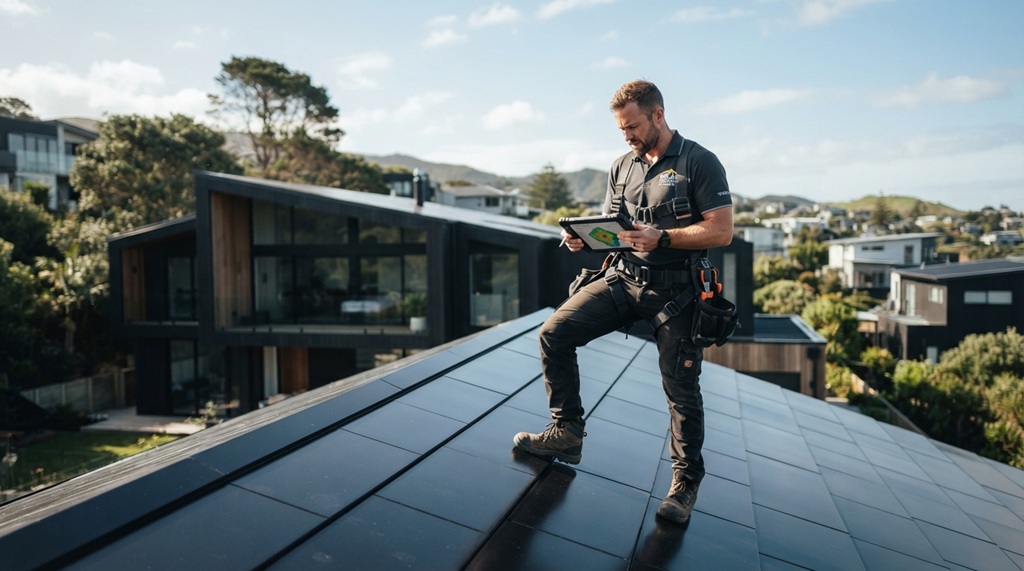
- Solar Efficiency: Their flat surface is ideal for mounting solar panels with optimal sunlight exposure.
According to a 2024 report by the National Association of Home Builders (NAHB), flat roofs are 10-20% less expensive to install than pitched roofs in urban settings. Yet, that initial savings may come with higher long-term maintenance due to drainage concerns.
Flat Roof Drawbacks: Water and Lifespan Woes
Despite the appeal, flat roofs struggle with water drainage. Standing water increases the risk of leaks, mold, and material deterioration. A study by Roofing Contractor Magazine noted that flat roofs have an average lifespan of 10-20 years, while pitched roofs can last 30-50 years.
In colder climates, snow accumulation leads to additional stress. Without a proper drainage system, the flat roof’s structural integrity could suffer over time.
Pitched Roof: Classic Looks with Proven Durability
Pitched roofs remain the gold standard in many residential settings. Their steep incline isn’t just for aesthetics—it actively deflects rain, snow, and debris, preserving the roofing material for decades.
Advantages:
- Superior Drainage: Rainwater naturally flows off, minimizing water damage and mold risks.
- Longer Lifespan: Asphalt shingles, tiles, or metal materials on pitched roofs tend to last longer.
- Versatility in Style: Gable, hip, and dormer styles offer varied visual appeal for different home designs.
For families in areas with heavy precipitation or snowfall, a pitched roof offers peace of mind. In fact, a 2023 HomeAdvisor survey revealed that 68% of homeowners preferred pitched roofs for their durability and traditional aesthetic.
Aesthetic Appeal: Modern vs. Traditional
When it comes to curb appeal, the choice often depends on the architecture of the home and personal taste.
- Flat Roofs: Align well with mid-century modern, minimalist, and industrial designs.
- Pitched Roofs: Enhance colonial, Victorian, and cottage-style homes.
While flat roofs allow for bold, angular architecture, pitched roofs create cozy, classic silhouettes. Some hybrid homes now blend both roof types—flat sections over garages or porches, pitched over main living areas—to achieve visual contrast.
Functional Considerations: Maintenance, Insulation, and Expansion
Maintenance plays a crucial role in roof longevity. Flat roofs require more frequent inspections for pooling water, while pitched roofs demand attention for shingle integrity.
Insulation is another factor. Flat roofs often need more specialized insulation like spray foam, which can increase costs. Pitched roofs have attic spaces that provide natural insulation buffers.
Expansion options differ too. A flat roof allows easy addition of HVAC units or rooftop patios. Pitched roofs, however, offer attic space for future room conversions—ideal for growing families.
Cost Comparison: Installation vs. Lifetime Value
Installation costs for flat roofs are lower, averaging $5 to $10 per square foot. Pitched roofs range between $8 to $15 per square foot, depending on materials and slope complexity. However, long-term repair and energy efficiency should be considered.
According to Angi.com, pitched roofs yield better long-term value due to fewer repairs and extended lifespan. While flat roofs can cost less upfront, maintenance may erode those savings over time.
Sustainability and Energy Efficiency
Flat roofs enable green roofing systems—rooftop gardens that reduce urban heat and promote biodiversity. They also make solar panel orientation easier.
Pitched roofs reflect sunlight more efficiently, especially when using metal or light-colored shingles, helping to lower indoor temperatures.
In either case, the choice can impact your energy bills. Use high-performance insulation and proper sealing techniques for best results.
Expert Tips: Choosing Based on Region and Lifestyle
- In wet climates, pitched roofs are a better bet for avoiding leaks and structural damage.
- For small urban plots, flat roofs maximize usable outdoor space.
- If aesthetics matter, match the roof style with your home’s architectural language.
- Check local zoning laws, as some neighborhoods restrict certain roof types.
- Talk to a roofing specialist to evaluate the slope, sun exposure, and structure.
Real-Life Example: Flat vs. Pitched in Practice
In Los Angeles, a couple chose a flat roof to turn their bungalow into a rooftop garden oasis. It added value and function. Meanwhile, in snowy Vermont, a family rebuilt their pitched roof with a steeper slope and metal sheeting. It reduced snow load damage and heating bills by 15%.
Frequently Asked Questions
Which roof lasts longer, flat or pitched?
Pitched roofs often last 30-50 years. Flat roofs generally last 10-20 years depending on materials.
Can flat roofs handle heavy snow?
Not ideally. Without proper slope and drainage, snow buildup can damage the structure.
Are flat roofs cheaper to build?
Yes, they typically cost 10–20% less to install but may cost more to maintain over time.
Which roof is better for solar panels?
Flat roofs offer flexible mounting angles and better orientation for solar panels.
Are pitched roofs better for resale value?
In most suburban markets, yes. Buyers often associate pitched roofs with longevity and safety.
Do flat roofs leak more?
Yes, flat roofs are more prone to leaks without proper drainage and sealing systems.
Can I convert a flat roof to a pitched one?
It’s possible but expensive. Structural reinforcement and new framing are required.
Read More Also: Weather-Resistant Roofing Systems for Harsh Climates
Final Thought
The decision between a flat and pitched roof hinges on more than just looks. Climate, lifestyle, budget, and home design should guide your choice. While flat roofs offer modern charm and urban functionality, pitched roofs deliver time-tested durability and classic elegance. Always consult professionals and assess long-term implications before making a commitment.
Choosing wisely now means fewer repairs and more comfort for decades to come.
Sources:
- National Association of Home Builders (www.nahb.org)
- Roofing Contractor Magazine (www.roofingcontractor.com)
- HomeAdvisor Roofing Cost Guide (www.homeadvisor.com)
- Angi Roof Comparison Guide (www.angi.com)