

Eco-conscious homeowners are making smarter roofing choices that reduce costs and environmental impact. Roofing isn’t just a protective layer anymore—it’s an opportunity to invest in the planet’s future while saving on energy bills. The shift to sustainable roofing isn’t a trend; it’s a long-term solution backed by data, science, and financial logic.
According to the U.S. Department of Energy, homes lose nearly 30% of heating and cooling energy through the roof. By switching to eco-friendly roofing, homeowners can reduce energy consumption significantly. Let’s explore the most viable green roofing materials available today, how they work, and why they matter.
-
Metal Roofs: Durable, Recyclable, and Reflective
Metal roofing has surged in popularity among eco-conscious builders. Made from recycled materials like aluminum or steel, these roofs can last 40 to 70 years. Unlike asphalt shingles, which end up in landfills, metal roofs are 100% recyclable.
They reflect solar radiant heat, reducing cooling costs by up to 25%, according to the Metal Roofing Alliance. Although the upfront cost may be higher, the energy savings and low maintenance expenses pay off quickly. Furthermore, metal roofs pair well with solar panels, amplifying their eco-impact.
Some critics point to the energy used in manufacturing metal roofs. However, recycled content and end-of-life recyclability help offset the initial environmental toll.
-
Cool Roofs: Science-Backed Savings
Cool roofs are engineered to reflect more sunlight and absorb less heat. This can reduce surface temperatures by as much as 50°F, which directly impacts indoor cooling needs. In warm climates, the savings on air conditioning costs are immediate and substantial.
Cool roof coatings can be applied to existing roofs, making them a cost-effective upgrade. According to the Environmental Protection Agency (EPA), cool roofing can lower peak electricity demand, helping utilities avoid blackouts and reduce greenhouse gas emissions.
However, in colder regions, the reduced heat absorption might slightly increase heating costs in winter. That said, for most areas with significant sunshine, the benefits outweigh the drawbacks.
-
Green Roofs: Living Insulation That Boosts Biodiversity
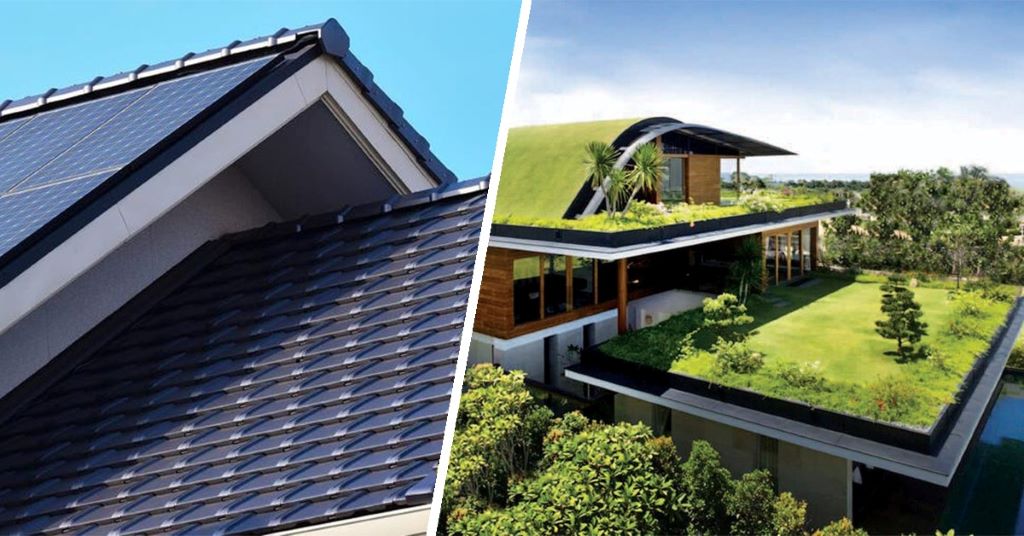
Green roofs are exactly what they sound like—roofs covered with vegetation. These living roofs offer powerful insulation, stormwater management, and a habitat for birds and pollinators.
In cities like Chicago and New York, green roofs have become part of urban sustainability plans. They reduce the urban heat island effect, improve air quality, and lower indoor temperatures naturally.
Maintenance can be a concern. Green roofs require structural support, drainage layers, and regular care. Yet, their long-term environmental value and aesthetic appeal make them worthwhile for commercial buildings and environmentally committed homeowners.
-
Recycled Shingles: Waste Reimagined
Recycled shingles, made from rubber, plastic, and wood fiber waste, are among the most accessible eco-friendly roofing options. They replicate the appearance of slate or cedar without the environmental impact.
These shingles are durable, lightweight, and often come with 50-year warranties. Manufacturers like GAF and CertainTeed offer certified sustainable products that meet strict environmental standards.
Critics argue that not all recycled shingles are created equal. It’s essential to look for third-party certifications like ENERGY STAR® and Cradle to Cradle® to ensure the material lives up to its green claims.
-
Clay and Concrete Tiles: Natural and Long-Lasting
Clay and concrete tiles have been used for centuries. They’re non-toxic, recyclable, and incredibly durable—lasting up to 100 years in some cases.
Their thermal mass helps regulate indoor temperatures by storing heat during the day and releasing it at night. This passive climate control lowers reliance on HVAC systems, saving energy year-round.
These tiles are heavy, requiring a strong roof structure. Additionally, installation costs can be higher. But the long-term durability, fire resistance, and low environmental impact make them a solid green investment.
-
Solar Shingles: Power and Protection in One
Solar shingles (or photovoltaic shingles) combine roofing and solar power generation into one sleek package. Unlike bulky panels, solar shingles blend seamlessly into your roof design.
Tesla’s Solar Roof, for example, offers a 25-year warranty and can power an entire home. Although the upfront investment is high, federal and state tax incentives significantly reduce the cost.
One downside is that solar shingles are less efficient than traditional panels. But for homeowners seeking aesthetics and energy independence, the trade-off is often worth it.
Professional Tips for Choosing Eco-Friendly Roofing
- Assess your climate: Some options work better in hot, sunny areas (e.g., cool roofs), while others suit rainy or cold regions (e.g., clay tiles).
- Check your roof’s structure: Heavier materials like green roofs or tiles need structural assessments.
- Consider local incentives: Many states offer rebates or tax credits for green roofs or solar installations.
- Don’t forget lifecycle cost: Calculate not just installation, but also savings, durability, and maintenance over time.
Featured Snippet: What Is the Best Eco-Friendly Roofing Option for Most Homes?
The best eco-friendly roofing option depends on your climate, budget, and aesthetic preference. However, metal roofs strike a strong balance between affordability, durability, and energy efficiency. They last up to 70 years, reflect sunlight to cut cooling costs, and are fully recyclable. In warmer climates, cool roofs and solar shingles provide added value by slashing energy bills and even generating electricity. If budget allows and aesthetics matter, green roofs offer unmatched environmental benefits and insulation. Always consult a certified roofing contractor to determine the best fit for your home’s structure and climate conditions.
Real-World Examples
- Chicago City Hall installed a green roof that reduced building temperature by 7°F and cut cooling costs by 20%.
- Tesla Solar Roof installations in California have helped homes generate nearly 100% of their power needs while increasing resale value.
- In Texas, homeowners switching to metal roofing during the 2023 heatwave saw energy savings of up to 30% monthly.
These examples illustrate that smart roofing decisions can lead to real savings—and real change.
FAQs
- Are eco-friendly roofs more expensive to install?
Yes, initially. But the long-term savings in energy and maintenance often outweigh the upfront cost. - Can I install a green roof on any home?
No. Green roofs require structural support and waterproofing. Always consult a professional before installation. - Do solar shingles qualify for tax credits?
Yes. Solar shingles qualify under the federal solar tax credit, which can cover up to 30% of the cost. - How long do eco-friendly roofs last?
Depending on the material, they last between 30 and 100 years—often much longer than asphalt shingles. - Do recycled shingles perform as well as traditional ones?
Yes, when certified and installed correctly. They offer durability, weather resistance, and a natural look. - Can cool roof coatings be added to old roofs?
Yes. They are often applied as a retrofit solution to existing flat or low-slope roofs. - What maintenance is needed for eco-roofs?
Minimal for most types, but green roofs need regular watering, weeding, and occasional inspection.
Final Thought
Choosing the right eco-friendly roofing option isn’t just about saving money—it’s a long-term investment in your home and the planet. As the climate crisis intensifies and energy costs rise, roofing decisions carry more weight than ever before. Whether you’re aiming for maximum savings, reduced carbon impact, or both, today’s sustainable roofing solutions offer a path forward. Make the smart switch today and future-proof your home while making a real difference.
Sources:
- U.S. Department of Energy – Energy Saver
- Environmental Protection Agency – Green Infrastructure
- Metal Roofing Alliance
Read More:
Roofer Contractor vs. Certified Roof Inspector: What’s the Difference?







