Living in a hot climate means your roof takes a beating. You’re probably wondering, what is the best material for a roof to absorb heat? Finding a roofing solution that keeps your home comfortable while battling intense sun and high temperatures is crucial. Let’s dive into the best roofing materials that combat heat and enhance your home’s energy efficiency.
Understanding Heat Absorption and Roof Performance
Understanding how different roofing materials interact with solar radiation is the first step. Heat absorption directly impacts your home’s internal temperature and cooling costs. The goal is to find materials that reflect sunlight, minimize heat transfer, and maintain structural integrity under extreme conditions.
Factors Influencing Roof Heat Absorption
Several factors contribute to a roof’s ability to absorb heat:
- Color: Darker colors absorb more heat, while lighter colors reflect it.
- Material Composition: Certain materials have inherent thermal properties that affect heat transfer.
- Roofing System Design: Ventilation and insulation play significant roles in managing heat.
Top Roofing Materials for Hot Climates
Let’s explore the most effective roofing materials for hot climates, focusing on their heat-reflecting properties and durability.
-
Reflective Coatings and Cool Roofs
Cool roofs are designed to reflect more sunlight and absorb less heat than standard roofs. They often incorporate reflective coatings or specialized materials.
- Reflective Coatings: These coatings, typically white or light-colored, can be applied to existing roofs to reduce heat absorption. They are an affordable way to improve energy efficiency.
- Cool Roof Membranes: These membranes are designed with high reflectivity and emissivity, effectively reducing roof surface temperatures.
-
Metal Roofing: Durable and Reflective
Metal roofing, especially aluminum and steel, offers excellent reflectivity and durability. It’s a popular choice for hot climates due to its ability to withstand extreme weather conditions.
- Benefits:
- High reflectivity, especially when coated.
- Long lifespan and durability.
- Energy efficiency.
- Fire resistance.
- Considerations: Cost can be higher than other materials. Installation should be completed by professionals.
-
Tile Roofing: Naturally Cool and Long-Lasting
Tile roofing, including clay and concrete tiles, provides natural insulation and reflects heat effectively.
- Clay Tiles: These tiles offer excellent thermal mass, which helps regulate indoor temperatures. Their natural color also reflects sunlight.
- Concrete Tiles: Similar to clay tiles, concrete tiles provide durability and heat resistance. Lighter colors offer better reflectivity.
- Advantages:
- Long lifespan.
- Natural insulation.
- Aesthetic appeal.
-
Slate Roofing: Premium Heat Resistance
Slate roofing, while a premium option, offers exceptional durability and heat resistance. Its dense composition prevents significant heat transfer.
- Benefits:
- Extremely long lifespan.
- Natural insulation.
- Aesthetic value.
- Considerations: High cost and specialized installation.
-
Green Roofs: Natural Cooling and Insulation
Green roofs, covered with vegetation, offer natural cooling and insulation. They reduce urban heat island effects and improve air quality.
- Benefits:
- Natural cooling through evapotranspiration.
- Improved insulation.
- Reduced stormwater runoff.
- Enhanced air quality.
- Considerations: Higher installation and maintenance costs. Weight loads must be considered.

Choosing the Right Color for Your Roof
The color of your roof plays a significant role in heat absorption. Lighter colors reflect more sunlight, while darker colors absorb it.
- Light Colors: White, light gray, and light beige are ideal for hot climates.
- Dark Colors: Avoid dark colors like black, dark brown, and dark gray in hot climates.
Enhancing Roof Performance with Ventilation and Insulation
Proper ventilation and insulation are crucial for maximizing the performance of any roofing material in hot climates.
Ventilation
Adequate ventilation allows hot air to escape from the attic, reducing heat buildup.
- Ridge vents, soffit vents, and gable vents are essential components of a well-ventilated roof system.
Insulation
High-quality insulation prevents heat transfer between the roof and the interior of your home.
- Radiant barriers and reflective insulation can further enhance heat resistance.
Maintenance and Longevity in Hot Climates
Regular maintenance is essential for ensuring the longevity of your roof in hot climates.
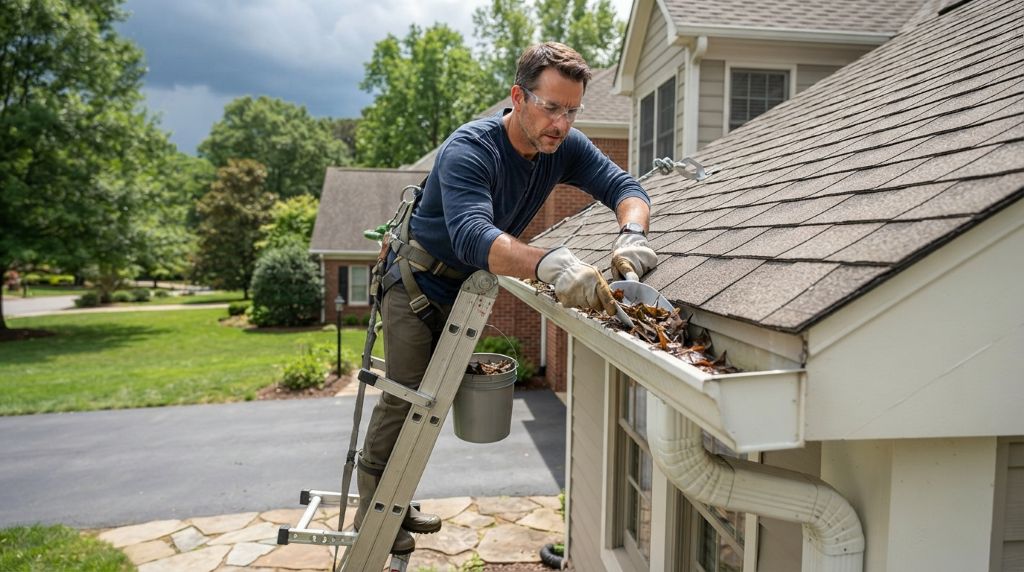
- Inspect your roof regularly for damage caused by sun exposure and extreme temperatures.
- Clean your roof to remove debris and maintain reflectivity.
- Consider professional inspections to identify potential issues.
Battling the Blizzard: The Definitive Guide to Best Roofing Options for Heavy Snow Areas
Making the Best Choice for Your Home
Choosing the best roofing material for your hot climate depends on several factors, including your budget, aesthetic preferences, and specific climate conditions.
Comparing Roofing Materials
| Material | Heat Reflectivity | Durability | Cost |
| Reflective Coating | High | Moderate | Low |
| Metal Roofing | High | High | Moderate-High |
| Tile Roofing | Moderate-High | High | Moderate-High |
| Slate Roofing | Moderate | Very High | High |
| Green Roofs | High | Moderate-High | High |
Consider Your Budget and Long-Term Value
While some materials have higher upfront costs, they may offer better long-term value through energy savings and durability.
Conclusion: Stay Cool and Comfortable
Understanding what is the best material for a roof to absorb heat empowers you to make informed decisions for your home. By selecting the right roofing material, implementing proper ventilation and insulation, and conducting regular maintenance, you can create a comfortable and energy-efficient living space.
Ready to upgrade your roof for optimal heat resistance? Contact a certified roofing professional today for a consultation and estimate.
Read More: How to Fix Standing Water on a Roof: A Comprehensive Guide