
Winter’s icy grip can transform a picturesque landscape into a daunting challenge, especially for homeowners in regions prone to heavy snowfall. The weight of accumulated snow, coupled with freeze-thaw cycles, can wreak havoc on a vulnerable roof, leading to leaks, structural damage, and costly repairs. Choosing the right roofing material and design is paramount for safeguarding your home and ensuring peace of mind throughout the harshest winters. This comprehensive guide delves into the best roofing options for heavy snow areas, providing detailed insights to help you make an informed decision.
Understanding the Unique Challenges of Heavy Snowfall
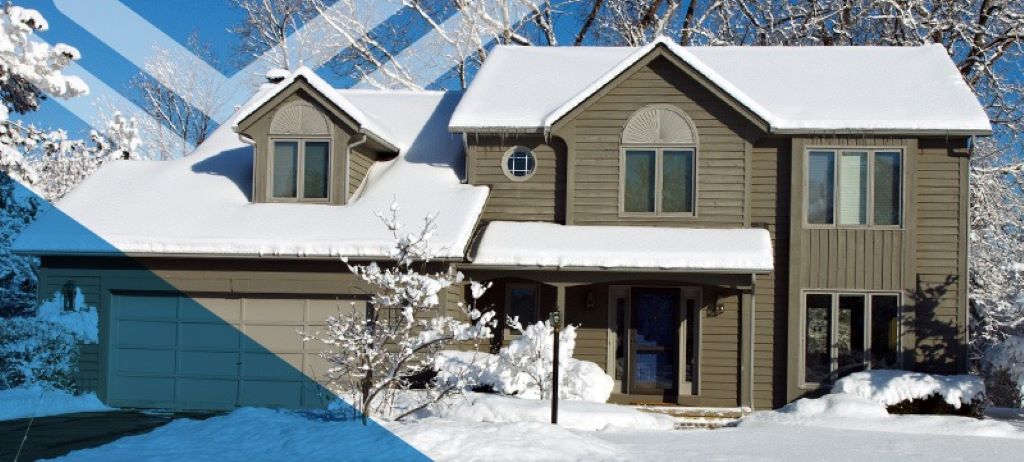
Before diving into material specifics, it’s crucial to grasp the distinct challenges posed by heavy snowfall. The primary concern is the sheer weight of accumulated snow. A cubic foot of fresh snow can weigh anywhere from 5 to 15 pounds, while compacted or wet snow can exceed 20 pounds per cubic foot. Multiply this by the square footage of your roof, and the potential load becomes substantial. Furthermore, freeze-thaw cycles, where snow melts during the day and refreezes at night, can lead to ice dams. These ice formations can obstruct drainage, forcing water to seep under roofing materials and into your home. Strong winds accompanying snowstorms can also exacerbate issues by driving snow under shingles or causing damage to weaker roofing systems.
Steep Slope Roofing: The Snow Shedding Champion
The most effective strategy for mitigating snow accumulation is to employ a steep slope roof design. A steeper pitch allows snow to slide off naturally, minimizing the load on the structure. Ideally, roofs in heavy snow areas should have a minimum slope of 6/12 (meaning for every 12 inches of horizontal run, the roof rises 6 inches). Slopes exceeding 8/12 or even 10/12 offer even greater snow-shedding capabilities. However, consider local building codes and aesthetics when determining the appropriate slope.
Metal Roofing: Durable, Slick, and Long-Lasting
Metal roofing, particularly standing seam metal, emerges as a top contender for heavy snow regions. Its smooth, slippery surface facilitates efficient snow shedding, reducing the risk of ice dam formation. Metal roofs are also incredibly durable, capable of withstanding heavy loads and extreme temperature fluctuations. They are resistant to corrosion, fire, and wind damage, offering a lifespan of 50 years or more with proper maintenance.
- Standing Seam Metal: This type features raised seams that interlock, creating a watertight barrier. The vertical seams allow snow to slide off effortlessly.
- Corrugated Metal: While more affordable, corrugated metal may not be as effective in shedding snow due to its textured surface. However, it still offers excellent durability and longevity.
- Metal Roofing Considerations: While metal roofs excel in snow shedding, they can be more expensive than other options. Proper installation is crucial to prevent leaks and ensure optimal performance. Insulation is also essential to mitigate noise from rain or hail and to regulate temperature.
Asphalt Shingles: A Cost-Effective, Though More Vulnerable Option
Asphalt shingles, a popular and budget-friendly choice, can be used in heavy snow areas, but require careful consideration and preventative measures. Architectural or dimensional shingles, which are thicker and more durable than traditional three-tab shingles, are recommended.
- Reinforced Shingles: Look for shingles with enhanced weather resistance and impact ratings. These are designed to withstand harsher conditions.
- Underlayment is Key: A high-quality, waterproof underlayment is crucial for preventing water infiltration from ice dams. Ice and water shield products, which are self-adhering membranes, should be installed along the eaves, valleys, and any other vulnerable areas.
- Regular Maintenance: Asphalt shingles require regular inspection and maintenance, especially after heavy snowfalls. Promptly remove excess snow and ice to prevent damage. Be mindful of using tools that could damage the shingles.
- Asphalt Shingle Limitations: Asphalt shingles, while affordable, are more susceptible to damage from freeze-thaw cycles and heavy snow loads compared to metal or slate. Their lifespan is typically shorter, ranging from 20 to 30 years.
Slate Roofing: A Timeless and Resilient Choice
Slate roofing, renowned for its natural beauty and exceptional durability, is another excellent option for heavy snow areas. Its dense, non-porous nature makes it highly resistant to water absorption and freeze-thaw damage. Slate roofs can withstand extreme weather conditions and have a lifespan of over 100 years.
- Natural Strength: Slate’s natural strength and layered structure make it highly resistant to cracking and breaking, even under heavy snow loads.
- Long-Term Investment: While slate roofing is a significant upfront investment, its longevity and minimal maintenance requirements make it a cost-effective choice in the long run.
- Professional Installation: Slate roofing requires specialized skills and experience for proper installation. Incorrect installation can lead to leaks and other problems.
Synthetic Roofing: Modern Materials for Extreme Conditions
Synthetic roofing materials, such as composite shingles or synthetic slate, offer a balance of durability, affordability, and aesthetic appeal. These materials are designed to mimic the look of natural slate or wood shake while providing enhanced weather resistance and longevity.
- Engineered for Performance: Synthetic roofing materials are engineered to withstand extreme temperatures, heavy snow loads, and UV exposure.
- Lightweight and Durable: They are often lighter than natural slate or tile, reducing the structural load on the roof.
- Low Maintenance: Synthetic roofing materials require minimal maintenance and are resistant to mold, mildew, and insect infestations.
Roof Design and Structural Considerations
Beyond material selection, roof design and structural integrity are crucial for withstanding heavy snowfall.
- Reinforced Framing: Ensure your roof framing is adequately reinforced to support the weight of accumulated snow. Consult with a structural engineer to assess your roof’s load-bearing capacity.
- Proper Ventilation: Adequate attic ventilation is essential for preventing ice dam formation. Proper ventilation helps regulate attic temperature, minimizing snowmelt and refreezing.
- Valley Protection: Valleys, where two roof slopes meet, are particularly vulnerable to leaks. Install valley flashings and ice and water shield to provide extra protection.
- Snow Guards: Snow guards are devices installed on the roof to prevent large sheets of snow from sliding off suddenly, which can damage gutters, landscaping, or injure people below.
Professional Installation: A Crucial Investment
Regardless of the roofing material you choose, professional installation is paramount. A skilled roofing contractor will ensure proper flashing, underlayment, and ventilation, maximizing the roof’s performance and longevity.
People Also Ask (FAQs)
-
Q: How often should I remove snow from my roof?
- A: It’s advisable to remove snow after significant accumulations, especially if you notice signs of excessive weight, such as sagging or creaking.
-
Q: Can I use a snow rake to remove snow from my roof?
- A: Yes, snow rakes are effective for removing snow from low-slope roofs. However, exercise caution and avoid damaging the roofing material.
-
Q: Are heated roof cables effective in preventing ice dams?
- A: Heated roof cables can help melt snow and prevent ice dams from forming along the eaves. However, they are not a substitute for proper insulation and ventilation.
-
Q: What are the signs of roof damage from snow?
- A: Signs of roof damage include leaks, sagging ceilings, water stains, cracked or missing shingles, and ice dams.
-
Q: Does Insurance cover roof damage from snow?
- A: Most homeowner’s insurance policies cover roof damage caused by snow, but it is important to check with your insurance provider to understand your specific coverage.
Conclusion
Choosing the right roofing option for heavy snow areas is an investment in your home’s safety and longevity. Metal roofing, particularly standing seam metal, and slate roofing stand out for their exceptional durability and snow-shedding capabilities. Asphalt shingles can be a cost-effective option with proper installation and maintenance. Regardless of the material, a steep slope roof design, reinforced framing, proper ventilation, and professional installation are essential for withstanding the challenges of heavy snowfall. Prioritize regular maintenance and promptly address any signs of damage to ensure your roof provides reliable protection for years to come. By carefully considering the factors outlined in this guide, you can confidently select a roofing system that will safeguard your home and provide peace of mind throughout the winter season.
Read More: Longest Lasting Roofing Material: Ultimate Guide to Durability & Lifespan







