
A metal roof is an investment for your home or business, offering durability, strength, and a long lifespan. However, like any part of your property exposed to the elements, a metal roof can become weathered and worn over time. A common solution to rejuvenate a dull or aging metal roof is painting. But can you paint a metal roof? The answer is yes! With the right preparation and materials, painting a metal roof can be a cost-effective way to improve both its aesthetic appeal and longevity.
In this guide, we will explore the essential factors to consider before deciding to paint your metal roof, the necessary steps involved, and the best practices to achieve a professional-looking result. Whether you’re looking to change the color of your roof, protect it from rust, or extend its life, this article will provide you with all the information you need to get started.
Understanding Metal Roofs and Why You Should Consider Painting Them
Metal roofs are typically made from materials such as steel, aluminum, or copper. These materials are highly durable, often lasting 40 years or more, depending on the type of metal and environmental conditions. Despite their resilience, metal roofs are not immune to weather damage. Over time, exposure to the sun, rain, and snow can lead to fading, rusting, and corrosion.
Painting your metal roof not only enhances its appearance but can also provide a protective layer against further wear and tear. For example, the right paint can shield your roof from moisture, which can prevent rust and corrosion. Additionally, painting can help improve the energy efficiency of your home by reflecting heat away from your building.
Preparation Is Key: Cleaning and Inspecting Your Roof
Before you begin painting your metal roof, proper preparation is crucial to ensure the paint adheres well and provides long-lasting protection. Here are some key steps for preparing your roof for painting:
-
Clean the Roof Surface: Over time, dirt, debris, and algae can accumulate on your roof. A clean surface is essential for a successful paint job. Use a pressure washer or a hose with a scrub brush to remove any grime or growths. For stubborn stains, consider using a mild detergent and water solution.
-
Inspect for Damage: Take a close look at your roof for any signs of damage, such as rust spots, dents, or holes. These areas should be repaired before painting to ensure the paint creates a smooth, even finish. If you notice rust, use a wire brush to remove it and apply a rust converter to prevent future corrosion.
-
Ensure Dry Conditions: Painting a wet or damp surface will result in uneven coverage and a poor bond. Wait for a dry, clear day to perform the painting job, ensuring that the roof is free from dew, rain, or moisture.
Choosing the Right Paint for Metal Roofs
Not all paints are suitable for metal roofs, so choosing the correct product is crucial for achieving a durable, long-lasting finish. Here are some types of paints commonly used for metal roofs:
-
Acrylic Latex Paint: This is a popular choice for metal roofs because it is flexible, easy to apply, and resistant to fading. It also offers good protection against rust and can be used in most climates. Ensure that the paint is labeled specifically for metal surfaces.
-
Oil-Based Paint: Though less common for modern metal roofs, oil-based paints are still an option. These provide excellent coverage and durability but can take longer to dry and may yellow over time. They are typically used for industrial-grade metal roofs.
-
Elastomeric Coatings: These paints create a thick, rubber-like layer that provides exceptional protection against extreme weather conditions. Elastomeric coatings are especially beneficial for roofs in areas with frequent temperature fluctuations.
-
Epoxy Paint: Epoxy is a tough, durable paint that can withstand harsh environments. It’s excellent for industrial or commercial metal roofs that are exposed to more intense weather conditions. It provides superior protection against rust and corrosion.
How to Paint Your Metal Roof: Step-by-Step Instructions
Once you’ve selected the right paint, it’s time to start painting your metal roof. Follow these steps for a professional-quality finish:
-
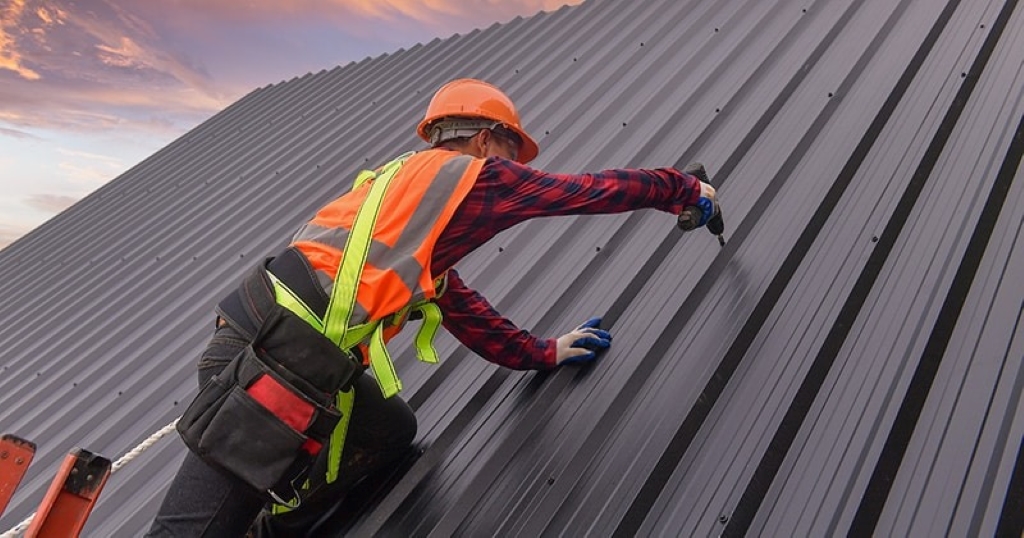
Safety First: Painting a metal roof requires working at height, so make sure you have the appropriate safety equipment, such as a sturdy ladder, harness, and non-slip shoes. If you’re not comfortable working on the roof yourself, consider hiring a professional.
-
Prime the Roof: Apply a high-quality metal primer to the clean, dry roof surface. Primer helps the paint adhere better and enhances its durability. Use a roller or sprayer to apply the primer evenly, starting from the edges and working your way across the roof. Allow the primer to dry according to the manufacturer’s instructions before moving to the next step.
-
Apply the Paint: After the primer is fully dry, use a roller or paint sprayer to apply the first coat of paint. Start at the edges of the roof and work your way across in sections. Apply the paint in thin, even coats, and be sure to avoid pooling or dripping. Once the first coat is applied, allow it to dry completely.
-
Apply Additional Coats: Depending on the paint you’re using, you may need to apply a second or third coat for full coverage. Follow the manufacturer’s recommendations regarding the number of coats and drying times between each layer.
-
Touch-Up and Clean-Up: After the final coat is dry, inspect the roof for any areas that need touch-up. Clean your tools immediately after use to avoid paint hardening in brushes or rollers. Dispose of paint cans and any waste material according to local regulations.
Tips for Maintaining Your Painted Metal Roof
After spending time painting your roof, you’ll want to make sure it lasts as long as possible. Here are some maintenance tips to keep your painted metal roof in top condition:
-
Regular Inspections: Inspect your roof periodically for any signs of wear, including peeling paint, rust, or damage. Catching problems early will help extend the life of the paint job.
-
Clean Your Roof Regularly: Dirt and debris can cause paint to wear down prematurely. Clean your roof every six months or after a storm to remove any buildup that could damage the paint.
-
Reapply Paint When Necessary: Over time, the paint may begin to fade or peel, especially in areas with extreme weather. Reapply paint as needed to maintain your roof’s appearance and protection.
Read More Also: Roof Leak Got You Covered? Temporary Fixes Until the Pros Arrive
Conclusion
Yes, you can paint a metal roof, and with the right materials and preparation, it can be a rewarding project. Not only does painting a metal roof improve its appearance, but it also provides a protective layer that can extend its lifespan and prevent costly repairs. By following the correct preparation and painting procedures, you can achieve a durable, long-lasting finish that enhances your property’s value and curb appeal. Whether you are a DIY enthusiast or hiring professionals, painting your metal roof is an investment worth considering.
FAQs
Can you paint over rust on a metal roof?
Yes, you can paint over rust. However, you need to remove the rust thoroughly before applying a primer and paint to ensure the best results.
What is the best time of year to paint a metal roof?
The best time to paint your metal roof is during mild weather—ideally in the spring or fall—when temperatures are between 50°F and 85°F (10°C and 29°C).
How long will a painted metal roof last?
A well-painted metal roof can last up to 10 years or more before needing a touch-up, depending on the quality of the paint and the climate.
Do I need to use a primer before painting my metal roof?
Yes, applying a primer helps the paint adhere better to the metal surface and provides additional protection against rust.
Can I paint my metal roof with a roller?
Yes, you can use a roller to paint your metal roof, but a sprayer may provide a smoother, more even finish, especially on large surfaces.
Is painting a metal roof a DIY job?
While painting a metal roof is a DIY job, it requires proper preparation and safety precautions. If you’re unsure or uncomfortable working at height, consider hiring a professional.







