
Florida’s unique climate presents serious challenges for homeowners. The Sunshine State experiences intense hurricanes, torrential rains, and scorching heat year-round. These weather conditions create specific roofing problems that demand immediate attention. Ignoring these issues can lead to expensive repairs and structural damage.
Understanding Florida’s harsh weather patterns helps homeowners protect their investment. From hurricane-force winds to daily thunderstorms, your roof faces constant threats. Additionally, the state’s high humidity and salt air near coastal areas accelerate deterioration. Therefore, recognizing early warning signs becomes crucial for maintaining a secure home.
Understanding Florida’s Unique Weather Challenges That Affect Roofing Systems
Florida’s climate creates a perfect storm for roofing damage. The state experiences over 100 days of thunderstorms annually, according to the National Weather Service. These storms bring heavy rainfall, hail, and strong winds that test every roofing material.
Hurricane season from June through November poses the greatest threat. However, daily weather patterns also cause significant wear. High temperatures reaching 90°F regularly expand and contract roofing materials. This constant movement creates stress points that eventually fail.
Coastal areas face additional challenges from salt air corrosion. The combination of humidity and salt accelerates metal deterioration and weakens protective coatings. Furthermore, UV radiation in Florida is among the strongest in the United States, breaking down organic roofing materials faster than in northern climates.
Critical Signs of Hurricane and Wind Damage on Florida Roofs
Wind damage often appears subtle initially but worsens rapidly without intervention. Missing or loose shingles represent the most obvious signs of wind damage. However, granule loss and exposed nail heads indicate more serious structural problems.
Lifted shingles allow water penetration even when they appear intact. Check for daylight visible through the roof decking or water stains on ceilings. Additionally, damaged flashing around chimneys and vents creates entry points for moisture.
After major storms, inspect gutters for excessive granules or roofing material fragments. These debris indicate significant surface damage requiring professional assessment. Moreover, cracked or split shingles compromise the entire roofing system’s integrity and need immediate replacement.
Water Damage and Leaks From Florida’s Heavy Rainfall Patterns
Florida receives approximately 54 inches of rainfall annually, creating constant moisture challenges. Water damage begins with small leaks that gradually worsen over time. Early detection prevents minor issues from becoming major structural problems.
Interior water stains often appear weeks after initial damage occurs. Check attic spaces regularly for signs of moisture penetration or mold growth. Additionally, musty odors indicate hidden water damage requiring immediate professional attention.
Poor drainage systems compound rainfall problems significantly. Clogged gutters force water under shingles and into structural components. Therefore, maintaining proper drainage becomes essential for preventing water-related roofing damage in Florida’s wet climate.
Heat and UV Radiation Effects on Roofing Materials in the Sunshine State
Florida’s intense sunshine breaks down roofing materials through constant UV exposure. Asphalt shingles lose protective granules and become brittle over time. This deterioration accelerates in areas with poor ventilation or inadequate insulation.
Heat buildup in attic spaces exceeds 140°F during summer months. This extreme temperature causes thermal shock as materials expand and contract daily. Additionally, poor ventilation traps heat and moisture, creating ideal conditions for mold and rot.
Metal roofing systems face thermal expansion challenges in Florida’s climate. Improper installation or inadequate expansion joints lead to buckling and stress fractures. Furthermore, reflective coatings deteriorate under constant UV bombardment, reducing energy efficiency and protection.
Humidity and Moisture Related Roofing Problems Throughout the State
Florida’s average humidity levels exceed 70% year-round, creating persistent moisture challenges. High humidity promotes mold and mildew growth in poorly ventilated roofing systems. These organisms weaken structural components and create health hazards for occupants.
Condensation forms when warm, humid air contacts cooler surfaces in attic spaces. This moisture accumulation rots wooden structural elements and corrodes metal fasteners. Additionally, inadequate vapor barriers allow moisture penetration from interior spaces.
Coastal areas experience salt-laden humidity that accelerates corrosion processes. Metal roofing components deteriorate faster near beaches and waterways. Therefore, regular inspections and protective coatings become essential for coastal Florida properties.

Essential Prevention Strategies for Florida Homeowners to Protect Their Roofs
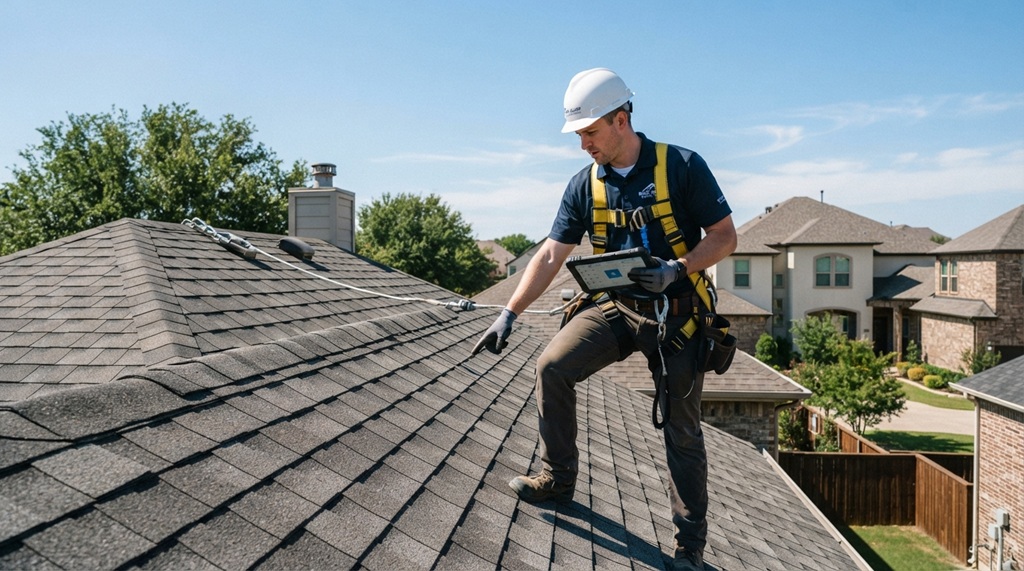
Regular maintenance prevents minor issues from becoming costly repairs. Schedule professional inspections twice yearly, preferably before and after hurricane season. These assessments identify potential problems before severe weather strikes.
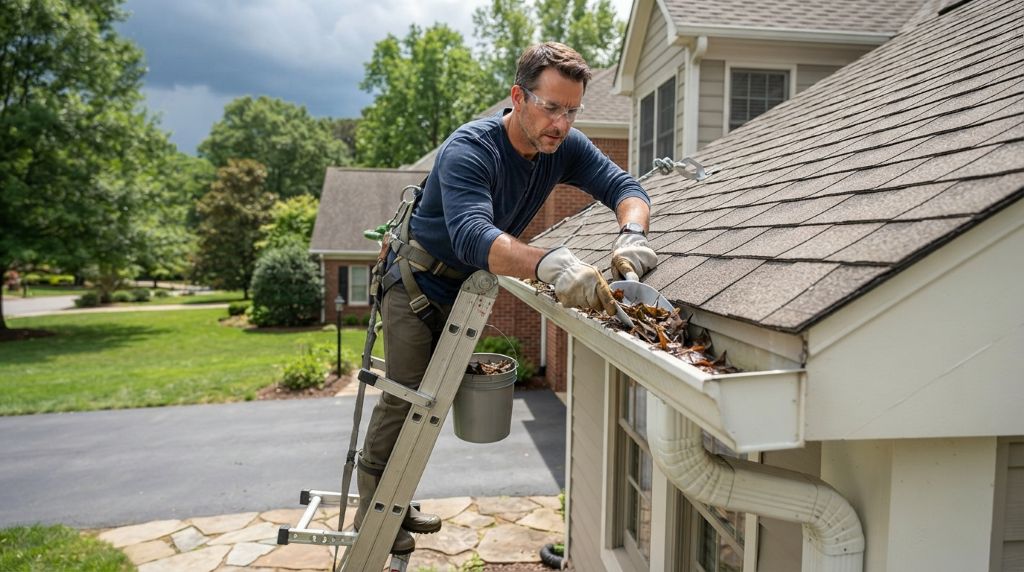
Keep gutters and downspouts clean to ensure proper water drainage. Trim overhanging tree branches that could damage roofing during storms. Additionally, replace worn weather stripping and caulking around roof penetrations annually.
Install impact-resistant roofing materials when replacement becomes necessary. These products withstand hail and debris better than standard materials. Moreover, proper attic ventilation reduces heat buildup and extends roofing material lifespan significantly.
Professional Inspection and Maintenance Requirements for Florida Climate Conditions
Florida’s harsh climate demands more frequent professional attention than other regions. The Florida Building Code requires specific standards for wind resistance and water protection. Professional inspectors understand these requirements and local building practices.
Certified roofing contractors identify subtle damage that homeowners often miss. They assess structural integrity, flashing conditions, and ventilation adequacy. Additionally, professionals recommend appropriate materials for local climate conditions and building codes.
Documentation from professional inspections supports insurance claims after storm damage. Many insurance companies require regular maintenance records to validate coverage. Therefore, maintaining professional inspection schedules protects both property and insurance interests.
When to Call Emergency Roofing Services During Severe Weather Events
Emergency situations require immediate professional intervention to prevent further damage. Active leaks during storms pose serious risks to electrical systems and structural components. Never attempt roof repairs during severe weather conditions.
Visible structural damage, such as sagging roof sections, indicates potential collapse risks. Missing large sections of roofing material allow wind and rain to cause interior damage rapidly. Additionally, damaged chimneys or antenna systems create falling hazards.
After major storms, professional assessment determines whether temporary repairs suffice or complete replacement becomes necessary. Emergency services provide temporary protection while planning permanent solutions. However, document all damage thoroughly for insurance purposes before making any repairs.
Cost Considerations and Insurance Coverage for Florida Roofing Damage
Florida homeowners face higher roofing costs due to frequent weather-related damage. According to the Insurance Information Institute, Florida leads the nation in homeowners insurance claims. Understanding coverage limitations helps homeowners make informed decisions about repairs and replacements.
Many insurance policies exclude damage from lack of maintenance or gradual deterioration. However, sudden storm damage typically receives full coverage under standard policies. Additionally, impact-resistant materials may qualify for insurance discounts in Florida.
Budget for annual maintenance costs ranging from $500 to $1,500 for typical homes. Major repairs or replacements can cost $15,000 to $40,000 depending on materials and damage extent. Therefore, regular maintenance prevents more expensive emergency repairs.
Conclusion
Florida’s harsh weather creates unique roofing challenges that homeowners cannot ignore. From hurricane winds to daily thunderstorms, your roof faces constant threats requiring proactive attention. Understanding these challenges helps protect your most valuable investment.
Regular maintenance, professional inspections, and quality materials provide the best defense against Florida’s climate. Additionally, staying informed about insurance coverage and building codes ensures compliance and protection. Remember that prevention costs significantly less than emergency repairs after major damage occurs.
Take action today by scheduling a professional roof inspection. Don’t wait for visible damage to appear before addressing potential problems. Your home’s protection depends on maintaining a strong, weather-resistant roofing system capable of withstanding Florida’s challenging climate conditions.
Have you experienced roofing problems during Florida’s severe weather? Share your experiences in the comments below and help other homeowners learn from your situation. Don’t forget to share this article with neighbors who might benefit from these important safety tips.
Frequently Asked Questions
How often should Florida homeowners inspect their roofs?
Florida homeowners should inspect their roofs twice yearly, ideally before hurricane season in May and after in December. Additionally, inspect after any major storm event for immediate damage assessment.
What roofing materials work best in Florida’s climate?
Metal roofing, impact-resistant asphalt shingles, and tile systems perform well in Florida. These materials resist wind, hail, and UV damage better than standard options while meeting building code requirements.
Does homeowners insurance cover all storm damage in Florida?
Most policies cover sudden storm damage but exclude gradual deterioration or maintenance-related issues. Review your policy carefully and maintain documentation of regular maintenance and inspections.
When should I replace my roof in Florida?
Replace your roof when repairs exceed 25% of replacement cost, after major storm damage, or when materials reach their expected lifespan. Professional assessment helps determine the most cost-effective option.
How can I prevent mold growth in my Florida attic?
Ensure proper ventilation, control humidity levels, and address leaks immediately. Install adequate soffit and ridge vents while maintaining attic temperatures close to outdoor conditions.
Read More: