

California’s diverse climate presents unique challenges for homeowners, particularly regarding roof maintenance and protection. From scorching desert heat to coastal fog, intense UV radiation to unexpected storms, the Golden State’s weather patterns can wreak havoc on roofing materials. Understanding how California weather damages your roof is crucial for protecting your home investment.
Many homeowners underestimate the cumulative impact of weather exposure on their roofing systems. However, proactive prevention strategies can significantly extend your roof’s lifespan while saving thousands in repair costs. This comprehensive guide explores the specific weather-related threats facing California roofs and provides actionable solutions to safeguard your home against nature’s elements.
Understanding California’s Diverse Climate Zones and Their Impact on Roofing Systems
California encompasses multiple climate zones, each presenting distinct challenges for residential roofing. The state’s Mediterranean climate features hot, dry summers and mild, wet winters. However, regional variations create specific weather patterns that affect roofing materials differently across various areas.
Coastal regions experience high humidity, salt air exposure, and frequent temperature fluctuations. These conditions accelerate corrosion processes and promote organic growth on roofing surfaces. Additionally, marine layer moisture can penetrate roofing materials, leading to gradual deterioration over time.
Inland valleys face extreme temperature swings, often exceeding 40-degree differences between day and night. This thermal cycling causes roofing materials to expand and contract repeatedly, creating stress fractures and weakening structural integrity. Desert regions encounter the most severe conditions, with temperatures reaching 120°F and intense UV radiation throughout the year.
How Intense UV Radiation and Heat Waves Destroy Roofing Materials
California’s abundant sunshine delivers intense ultraviolet radiation that gradually breaks down roofing materials at the molecular level. UV rays cause asphalt shingles to become brittle, crack, and lose their protective granules. This process, called photodegradation, accelerates in areas with high elevation or minimal atmospheric filtering.
Heat waves compound UV damage by creating extreme thermal stress on roofing systems. When temperatures soar above 100°F, asphalt shingles can reach surface temperatures of 160°F or higher. This excessive heat causes materials to soften, warp, and potentially buckle. Metal roofing, while more durable, experiences significant expansion that can loosen fasteners and stress connection points.
Therefore, homeowners must understand that continuous exposure to these conditions gradually compromises their roof’s protective capabilities. The combination of UV radiation and extreme heat creates a perfect storm for premature aging and material failure.
The Hidden Dangers of California’s Temperature Fluctuations on Roof Structure
Temperature fluctuations pose one of the most underestimated threats to California roofing systems. Daily temperature swings cause all roofing materials to expand during heat and contract during cooler periods. This constant movement creates fatigue stress that weakens materials over time.
Wooden roof decking experiences particularly severe stress from temperature changes. As wood expands and contracts, nail holes can enlarge, allowing fasteners to loosen. This compromises the entire roofing system’s structural integrity and can lead to catastrophic failure during severe weather events.
Furthermore, different roofing components expand at varying rates, creating differential movement that strains connections. For example, metal flashing expands faster than surrounding shingles, potentially creating gaps where water infiltration can occur. These seemingly minor movements accumulate over years, eventually requiring extensive repairs or complete replacement.
Seasonal Rain Patterns and Their Devastating Effects on Unprepared Roofs
California’s irregular precipitation patterns create unique challenges for roof maintenance and protection. The state typically experiences extended dry periods followed by intense rainfall during winter months. This feast-or-famine pattern catches many roofs unprepared for sudden water exposure after months of thermal stress.
During dry seasons, roofing materials become brittle and develop microscopic cracks that remain invisible until tested by water infiltration. When California’s winter rains arrive, these compromised areas quickly fail, allowing water to penetrate roof decking and interior spaces. Additionally, debris accumulation during dry periods can block drainage systems, leading to water pooling and increased leak potential.
However, proper preparation can mitigate these risks significantly. Regular inspections before rainy seasons help identify vulnerable areas that require immediate attention. Moreover, maintaining clean gutters and drainage systems ensures proper water flow during intense rainfall events.
Wildfire Threats and How Extreme Heat Affects Roofing Performance
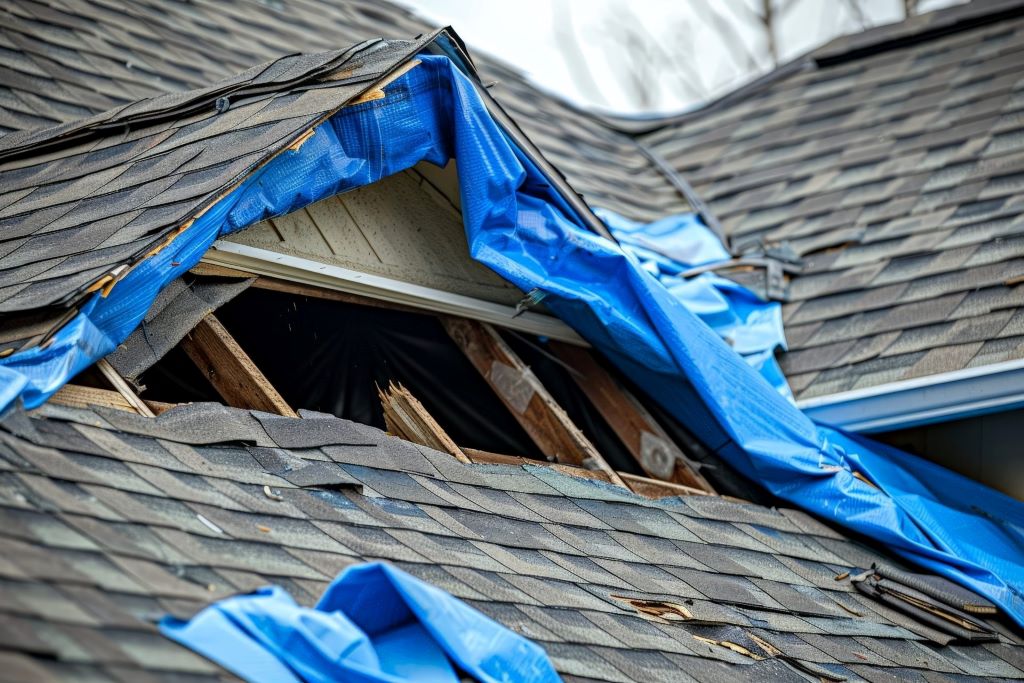
California’s increasing wildfire activity presents serious threats to roofing systems beyond direct flame contact. Extreme radiant heat from nearby fires can cause roofing materials to ignite or suffer severe damage even when structures survive the main fire event.
Asphalt shingles and wood shakes are particularly vulnerable to radiant heat exposure. These materials can begin degrading at temperatures well below their ignition point, compromising their protective capabilities. Additionally, flying embers can lodge in gutters, vents, or damaged roofing areas, creating ignition sources that threaten entire structures.
Metal roofing and fire-resistant materials offer superior protection against wildfire threats. Class A fire-rated roofing materials provide the highest level of protection available. Therefore, homeowners in high-risk areas should seriously consider upgrading to fire-resistant roofing systems as part of their overall wildfire preparation strategy.
Identifying Early Warning Signs of Weather-Related Roof Damage
Recognizing early warning signs of weather-related damage can prevent minor issues from becoming major problems. Visual inspection from ground level can reveal several concerning indicators that warrant professional evaluation.
Missing or damaged shingles are obvious signs of weather-related deterioration. However, subtle indicators often provide earlier warning of developing problems. These include:
- Granule accumulation in gutters indicating shingle deterioration
- Cracked or curling shingle edges suggesting thermal stress
- Stained or discolored roofing surfaces indicating moisture infiltration
- Loose or damaged flashing around penetrations and edges
- Sagging or uneven rooflines suggesting structural issues
Additionally, interior signs such as water stains, musty odors, or temperature inconsistencies may indicate roof damage that requires immediate attention. Regular monitoring helps catch problems early when repairs are less expensive and less disruptive.
Proven Prevention Strategies to Protect Your California Roof Investment
Implementing comprehensive prevention strategies significantly extends roof lifespan while reducing maintenance costs. Regular professional inspections form the foundation of effective roof protection programs. Most experts recommend biannual inspections, typically in spring and fall, to identify potential issues before they become serious problems.
Proper ventilation plays a crucial role in preventing heat-related damage. Adequate attic ventilation helps regulate temperature and moisture levels, reducing thermal stress on roofing materials. Ridge vents, soffit vents, and powered exhaust fans work together to maintain optimal airflow throughout the roofing system.
Furthermore, protective coatings can significantly enhance roof durability in California’s harsh climate. Reflective coatings reduce heat absorption, while elastomeric sealants provide flexible waterproofing that accommodates thermal movement. These treatments often pay for themselves through extended material life and reduced energy costs.
Essential Maintenance Tasks Every California Homeowner Should Perform
Regular maintenance tasks help homeowners protect their roofing investment without requiring professional expertise. However, safety should always be the primary consideration when performing any roof-related work.
Gutter cleaning represents one of the most important maintenance tasks for California homeowners. Clean gutters ensure proper drainage during intense rainfall while preventing ice dams in mountain regions. Additionally, removing debris prevents organic growth that can damage roofing materials over time.
Tree trimming around roofing areas reduces several risk factors simultaneously. Overhanging branches can scrape roofing surfaces during windy conditions, while falling leaves contribute to drainage blockages. Moreover, proper tree maintenance reduces fire risk by eliminating potential fuel sources near structures.
When to Call Professional Roofing Contractors for Expert Assessment
Certain situations require professional expertise to ensure proper evaluation and repair. Attempting complex roof work without proper training and equipment can lead to personal injury and additional property damage.
Structural concerns such as sagging rooflines, visible deck damage, or multiple leak sources require immediate professional attention. These issues often indicate underlying problems that extend beyond surface-level repairs. Additionally, insurance claims for weather-related damage typically require professional documentation to support coverage decisions.
Moreover, homeowners should consult professionals when considering major upgrades or material changes. Proper installation of new roofing systems requires specialized knowledge of local building codes, manufacturer specifications, and best practices for California’s unique climate conditions.
Cost-Effective Solutions for Different Budget Levels and Roof Types
Budget considerations often influence roof protection decisions, but effective solutions exist for various financial situations. Understanding cost-effective options helps homeowners make informed decisions that provide maximum protection within their means.
Preventive maintenance represents the most cost-effective approach to roof protection. Regular cleaning, minor repairs, and protective treatments cost significantly less than major restoration or replacement projects. Additionally, many maintenance tasks can be performed by homeowners with basic tools and safety equipment.
Mid-range solutions include professional inspections, targeted repairs, and partial material upgrades. These investments provide substantial protection improvements while remaining accessible to most homeowners. Furthermore, many utility companies offer rebates for energy-efficient roofing improvements that can offset initial costs.
Premium solutions involve complete roofing system upgrades using high-performance materials designed for California’s challenging climate. While these investments require significant upfront costs, they often provide decades of protection with minimal maintenance requirements.
Real-World Success Stories and Lessons Learned from California Homeowners
Personal experiences from California homeowners provide valuable insights into effective roof protection strategies. Last year, I worked with a Riverside homeowner whose proactive maintenance program prevented catastrophic damage during record-breaking heat waves.
The homeowner had invested in reflective coating and improved ventilation two years earlier. When temperatures exceeded 115°F for consecutive days, neighboring homes experienced significant shingle damage and interior heat issues. However, this prepared home maintained comfortable interior temperatures while showing no visible roof damage.
Additionally, a San Diego coastal homeowner discovered the importance of salt air protection through expensive experience. Initially, they ignored professional recommendations for marine-grade materials. After three years of accelerated corrosion and multiple repairs, they invested in proper coastal protection measures that have provided trouble-free service for over a decade.
Conclusion
California weather presents unique challenges that require proactive roof protection strategies. From intense UV radiation and extreme heat to irregular precipitation and wildfire threats, understanding these risks empowers homeowners to make informed decisions about their roofing investments.
Implementing comprehensive prevention measures significantly extends roof lifespan while reducing long-term costs. Regular maintenance, professional inspections, and appropriate material choices work together to provide effective protection against California’s demanding climate conditions.
Therefore, don’t wait for visible damage to begin protecting your roof investment. Start implementing these proven strategies today to ensure your home remains protected for years to come. Share this article with fellow California homeowners who could benefit from these insights, and leave a comment about your own roof protection experiences.
Frequently Asked Questions
How often should California homeowners inspect their roofs?
California homeowners should inspect their roofs at least twice yearly, preferably in spring and fall. Additionally, conduct inspections after severe weather events such as heat waves, storms, or high winds to identify any immediate damage requiring attention.
What roofing materials work best in California’s climate?
Clay tiles, metal roofing, and composite materials perform exceptionally well in California’s climate. These materials offer superior UV resistance, fire protection, and thermal performance compared to traditional asphalt shingles, making them ideal for the state’s demanding conditions.
Can I prevent all weather-related roof damage?
While complete prevention is impossible, proper maintenance and protection strategies can significantly reduce weather-related damage. Regular inspections, preventive treatments, and prompt repairs help minimize the impact of California’s challenging climate on roofing systems.
How much should I budget for roof maintenance in California?
Budget approximately 1-2% of your home’s value annually for roof maintenance and repairs in California. This includes professional inspections, minor repairs, cleaning, and protective treatments necessary to combat the state’s intense weather conditions.
When should I consider complete roof replacement?
Consider complete roof replacement when repair costs exceed 25-30% of replacement costs, when the roof is approaching its expected lifespan, or when extensive damage compromises structural integrity. Professional evaluation helps determine the most cost-effective approach.
Read More:







