
Wind storms in California can wreak havoc on homes, especially roofs, causing costly repairs if not addressed early. From high-speed gusts in coastal regions to Santa Ana winds in Southern California, wind damage is a growing concern for homeowners. Recognizing signs of wind damage and knowing effective solutions can save time, money, and stress. This article explores how to identify wind-related roof issues, offers practical repair and prevention strategies, and shares insights to keep your home safe. With rising storm frequency, understanding these risks is vital for California residents. Read on to learn how to protect your roof from wind damage and ensure long-term durability.
Understanding Wind Damage on California Roofs
Wind damage occurs when strong gusts lift, tear, or displace roofing materials, compromising structural integrity. In California, coastal areas face winds up to 60 mph during storms, while inland regions like San Bernardino endure Santa Ana winds exceeding 70 mph. According to a 2023 study by the National Oceanic and Atmospheric Administration (NOAA), wind-related property damage in California costs homeowners $1.2 billion annually. Shingles, tiles, and flashing are particularly vulnerable, as high winds exploit weak points in aging or poorly installed roofs.
The impact varies by region and roof type. For example, asphalt shingles may curl or crack, while tile roofs can suffer broken or dislodged pieces. Homeowners often overlook subtle signs, leading to leaks or further deterioration. My own experience with a 2019 storm in San Diego revealed missing shingles after a 50 mph gust, prompting a costly repair. Early detection is key to preventing extensive damage and ensuring your roof withstands California’s unpredictable weather.
Common Signs of Wind Damage to Watch For
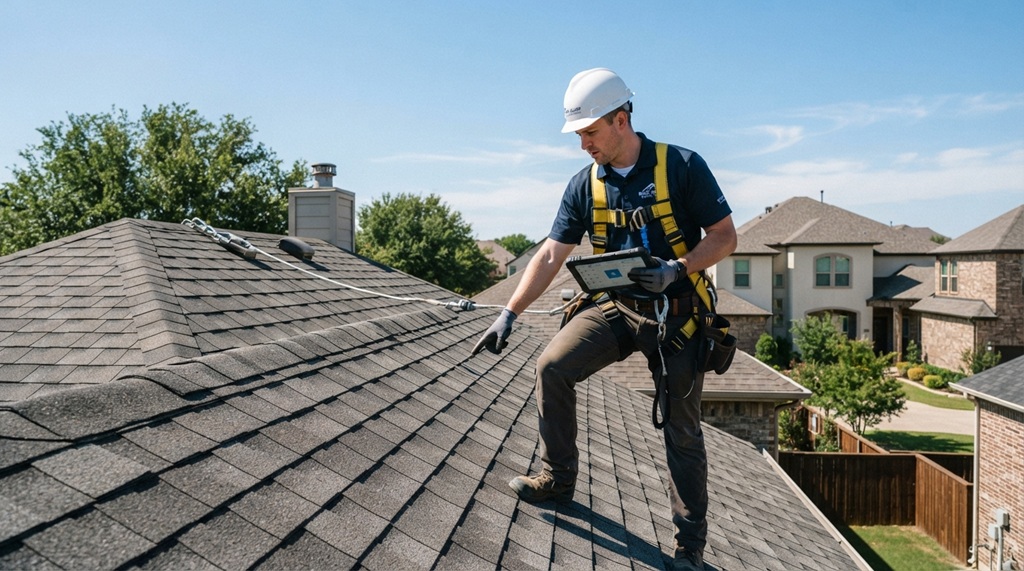
Spotting wind damage early can prevent minor issues from escalating. Look for lifted or missing shingles, as winds can peel them away, exposing the underlayment. Cracked or broken tiles are another red flag, especially on clay or concrete roofs common in California. Check for granule loss on asphalt shingles, which weakens their protective layer. Additionally, inspect flashing around chimneys or vents, as wind can loosen these critical seals.
Other signs include debris accumulation, such as branches lodged on the roof, and water stains on interior ceilings, indicating leaks. According to the California Department of Insurance, 65% of wind-related claims in 2022 involved undetected roof leaks. Homeowners should also examine gutters for shingle granules or tile fragments. Regular inspections, especially after storms, help identify these issues before they worsen, saving significant repair costs and maintaining your home’s structural health.
Key Signs of Wind Damage
- Missing or lifted shingles: Indicate wind has penetrated the roof’s surface.
- Cracked tiles: Common in tile roofs, signaling structural weakness.
- Granule loss: Reduces shingle durability, increasing leak risks.
- Damaged flashing: Loose seals around vents or chimneys allow water entry.
- Interior leaks: Water stains on ceilings suggest roof breaches.
Immediate Steps to Take After Wind Damage
If you suspect wind damage, act quickly to minimize further harm. First, conduct a visual inspection from the ground using binoculars to avoid ladder risks. Document any visible issues, like missing shingles or cracked tiles, with photos for insurance claims. Next, cover exposed areas with a tarp to prevent water intrusion, especially during California’s rainy season. Contact a licensed roofer for a professional assessment, as DIY repairs can worsen damage.
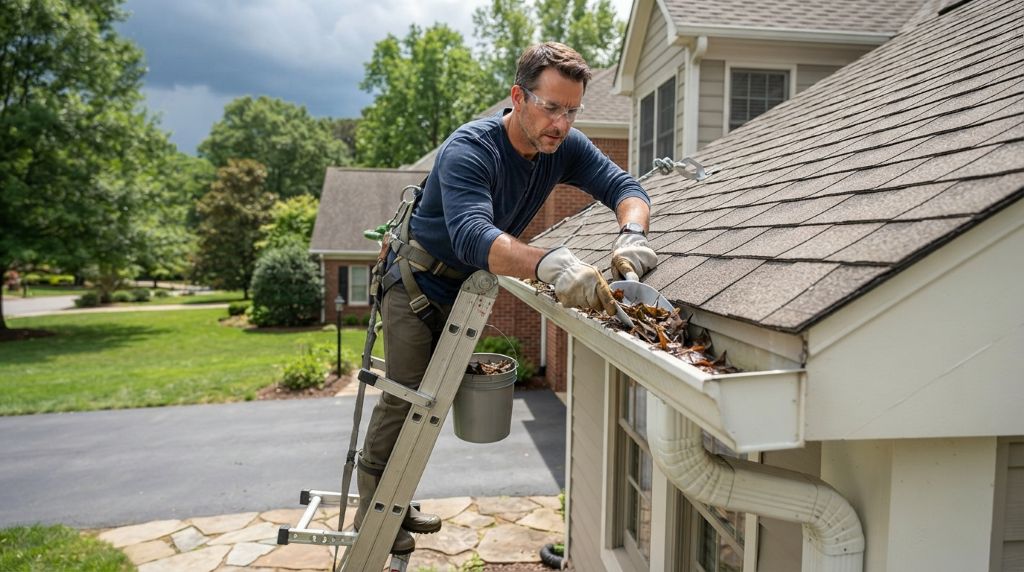
File an insurance claim promptly, as delays may complicate approvals. According to NOAA, 70% of wind damage claims in California are filed within 30 days of a storm. Provide your insurer with detailed photos and repair estimates. Meanwhile, clear debris from the roof and gutters to prevent blockages. These steps ensure your home remains protected while awaiting repairs, reducing the risk of costly secondary damage like mold or structural decay.

Effective Solutions for Repairing Wind-Damaged Roofs
Repairing wind damage requires tailored solutions based on roof type and severity. For asphalt shingles, replace missing or curled pieces with matching materials to restore uniformity. Tile roofs may need individual tile replacements or re-securing to prevent further displacement. Reinforce flashing with heavy-duty sealants to ensure watertight connections. In severe cases, a partial or full roof replacement may be necessary, especially for older roofs weakened by repeated storms.
Hiring a licensed contractor is crucial for quality repairs. In my case, a professional roofer in San Diego replaced damaged shingles and reinforced weak spots, preventing leaks during the next storm. Use high-quality, wind-resistant materials, like Class H shingles, rated for winds up to 150 mph. Additionally, consider impact-resistant underlayments for added protection. These solutions, while costly upfront, extend roof lifespan and reduce future repair needs, offering peace of mind for California homeowners.
Preventive Measures to Protect Roofs from Wind Damage
Prevention is the best defense against wind damage. Start with regular roof inspections, ideally twice a year, to identify weak spots like loose shingles or cracked tiles. Reinforce roof edges with metal drip edges to resist wind uplift. Secure loose flashing and vents with industrial-grade adhesives. For new installations, choose wind-resistant materials, such as architectural shingles or interlocking tiles, designed to withstand California’s high winds.
Tree maintenance is another critical step. Trim branches overhanging your roof to prevent debris impact during storms. A 2022 study by the California Department of Forestry and Fire Protection found that 40% of wind-related roof damage involved falling branches. Consider installing hurricane straps or clips for added structural stability, especially in high-wind zones. These measures, combined with routine maintenance, significantly reduce the risk of costly repairs and keep your roof resilient against California’s unpredictable weather.
Top Preventive Tips
- Inspect regularly: Check for loose or damaged materials biannually.
- Use wind-resistant materials: Opt for Class H shingles or interlocking tiles.
- Reinforce edges: Install metal drip edges to combat wind uplift.
- Trim trees: Remove overhanging branches to avoid debris damage.
- Add hurricane straps: Enhance structural stability in high-wind areas.
Choosing the Right Roofing Professional in California
Selecting a reliable roofer is critical for addressing wind damage effectively. Look for contractors licensed by the California Contractors State License Board (CSLB), ensuring they meet state standards. Verify their experience with wind-resistant installations and repairs, particularly for your roof type. Request references and check online reviews to confirm their reputation. Avoid unlicensed contractors, as they may lack proper insurance, leading to liability issues.
Obtain multiple quotes to compare pricing and services, but prioritize quality over cost. A reputable roofer will provide a detailed estimate, including material specifications and timelines. My experience with a San Diego contractor taught me the value of clear communication—our roofer explained each repair step, ensuring no surprises. Additionally, ensure the contractor offers warranties on labor and materials. This protects your investment and guarantees long-term durability, especially in California’s storm-prone regions.
Insurance Considerations for Wind Damage Claims
Navigating insurance claims for wind damage can be daunting but essential. Review your homeowner’s policy to confirm wind damage coverage, as some plans exclude high-wind events in coastal areas. Document all damage thoroughly with photos and videos, noting the storm date and wind speeds. Submit your claim promptly, as delays can weaken your case. Provide your insurer with professional repair estimates for accurate payouts.
Consult your roofer before repairs begin, as some insurers require pre-approval. According to the California Department of Insurance, 80% of denied claims in 2022 lacked sufficient documentation. If disputes arise, consider hiring a public adjuster to advocate for a fair settlement. Understanding your policy and acting swiftly ensures you receive the coverage needed to restore your roof, minimizing out-of-pocket expenses and protecting your home from further harm.
Conclusion
Wind damage on California roofs is a serious concern, but early detection and proactive measures can protect your home. By recognizing signs like missing shingles or cracked tiles, acting quickly with repairs, and investing in prevention, you can avoid costly damage. Regular inspections, quality materials, and professional help are key to maintaining a resilient roof. With storms becoming more frequent, staying informed and prepared is essential for California homeowners. Share your experiences or questions in the comments below, or spread this article to help others safeguard their homes!
FAQs
What are the first signs of wind damage on a roof?
Missing or lifted shingles, cracked tiles, granule loss, and damaged flashing are early indicators. Interior leaks or debris on the roof also signal potential issues.
How can I prevent wind damage to my California roof?
Inspect regularly, use wind-resistant materials, reinforce edges, trim overhanging trees, and install hurricane straps to enhance roof stability.
Does insurance cover wind damage to roofs in California?
Most homeowner policies cover wind damage, but review your plan. Document damage thoroughly and file claims promptly to ensure coverage.
How often should I inspect my roof for wind damage?
Inspect your roof twice a year and after major storms. Early detection of issues like loose shingles prevents costly repairs.
What materials are best for wind-resistant roofs in California?
Class H asphalt shingles, interlocking tiles, and impact-resistant underlayments are ideal for withstanding California’s high winds.
Read More: