
Roof leaks in California homes are a widespread issue, driven by the state’s unique climate and environmental challenges. From torrential rains to relentless sun exposure, these factors test the durability of roofing systems. Identifying the causes of leaks is crucial for homeowners to protect their properties and avoid costly repairs. This article explores the most common reasons for roof leaks, offering practical insights and solutions. By understanding these issues, you can take proactive steps to maintain your home’s integrity. Let’s dive into the key culprits behind roof leaks and how to address them effectively.
Aging Roofing Materials Deteriorate Over Time
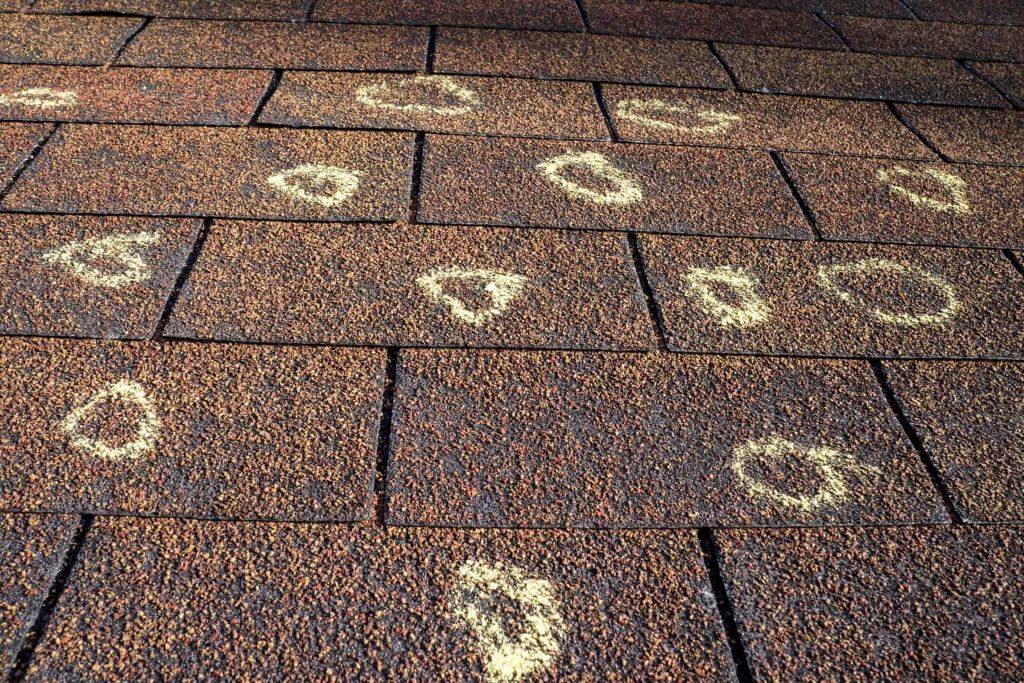
Roofing materials in California face intense wear due to prolonged sun exposure and fluctuating temperatures. Asphalt shingles, common in many homes, typically last 15-20 years. Over time, they crack, curl, or lose granules, allowing water to seep through. According to a 2020 study by the California Energy Commission, UV radiation accelerates material degradation, especially in coastal and desert regions. Older roofs are particularly vulnerable during heavy rains, which are increasingly common due to climate shifts.
Homeowners often overlook gradual wear until leaks appear. For instance, during a routine inspection, I noticed my neighbor’s 25-year-old shingles were brittle and cracked, leading to water stains in their attic. Regular maintenance, like replacing worn shingles, can prevent such issues. Inspecting your roof every few years, especially after extreme weather, ensures early detection of damage. Therefore, addressing aging materials promptly is key to avoiding costly repairs.
Poor Installation Leads to Persistent Leaks
Improperly installed roofs are a leading cause of leaks in California homes. Shoddy workmanship, such as misaligned flashing or inadequate sealing, creates vulnerabilities. In a 2018 report by the California Contractors State License Board, poor installation accounted for 30% of roofing complaints. Coastal areas, with high humidity and salt exposure, exacerbate these issues, as moisture exploits installation flaws.
When my cousin renovated her home, the contractor skipped proper underlayment, leading to leaks during the first rainy season. This experience highlights the importance of hiring licensed professionals. Always verify credentials and request references before hiring a roofer. Additionally, ensure installers follow manufacturer guidelines for materials. By investing in quality installation, you can prevent water damage and extend your roof’s lifespan.
Clogged Gutters Cause Water Backup
Gutters play a critical role in directing water away from your roof, but clogs from leaves, debris, or dirt can cause backups. In California, dry seasons accumulate debris, which then blocks gutters during sudden rains. This trapped water pools on the roof, seeping under shingles or flashing. The National Weather Service notes that California’s heavy rainfall events have increased by 10% since 2000, amplifying gutter-related issues.
Cleaning gutters twice a year, especially before winter, is essential. For example, a friend ignored their clogged gutters, resulting in water overflowing and damaging their roof’s edge. Use a sturdy ladder and gloves to clear debris, or hire a professional for safety. Installing gutter guards can also reduce maintenance. Therefore, keeping gutters clear prevents water from pooling and causing leaks.
Damaged Flashing Allows Water Infiltration
Flashing, the metal strips around chimneys, vents, and skylights, seals vulnerable areas. However, corrosion, cracks, or improper installation can compromise its effectiveness. California’s coastal regions, with salty air, accelerate flashing corrosion, while inland heat causes expansion and cracking. A 2019 study by the University of California, Davis, found that 25% of roof leaks stem from faulty flashing.
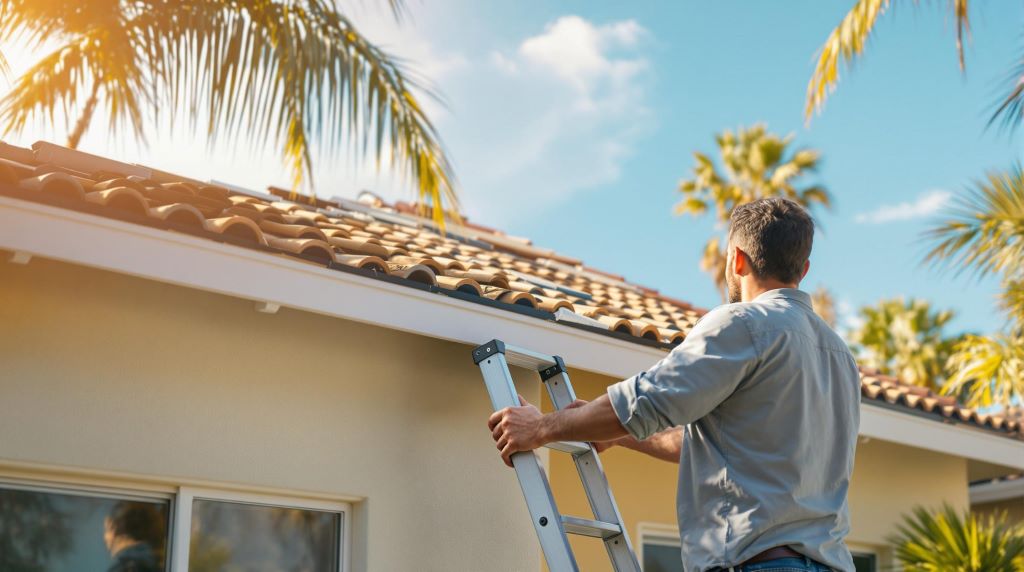
Inspecting flashing annually can catch issues early. I once helped a neighbor replace rusted flashing around their chimney, preventing further water damage. Use high-quality materials like stainless steel for durability. Additionally, ensure flashing is properly sealed with caulk to block water. By maintaining flashing, you safeguard your home from leaks in critical areas.
Tree Branches Damage Roof Surfaces
Overhanging tree branches can scrape shingles, dislodge granules, or puncture roofing materials, creating entry points for water. California’s frequent winds, especially in areas like the Central Valley, worsen this issue by causing branches to rub against roofs. During storms, falling branches can cause immediate damage, leading to leaks.
Trimming branches at least 6 feet from your roof is a simple fix. After a windy storm, I noticed a branch had torn shingles off my roof, prompting quick repairs. Regular tree maintenance, especially before storm season, reduces risks. Additionally, inspect your roof after high winds for hidden damage. By keeping trees trimmed, you protect your roof from preventable leaks.
Tips to Prevent Roof Leaks in California Homes
Preventing leaks requires proactive care. Here are practical steps to protect your home:
- Inspect Regularly: Check your roof twice a year for cracks, missing shingles, or damaged flashing.
- Clean Gutters: Remove debris before and after rainy seasons to ensure proper drainage.
- Hire Professionals: Choose licensed roofers with verified references for installations or repairs.
- Trim Trees: Keep branches away from your roof to avoid physical damage.
- Replace Aging Materials: Upgrade old shingles or tiles before they fail.
By following these tips, you can minimize the risk of leaks and extend your roof’s lifespan.
Extreme Weather Accelerates Roof Wear
California’s diverse climate, from coastal fog to desert heat, challenges roofing systems. Heavy rains, particularly during El Niño years, overwhelm weak roofs, while prolonged droughts dry out materials, making them brittle. The National Oceanic and Atmospheric Administration reports that California’s rainfall intensity has risen by 15% since 1990, increasing leak risks. Heatwaves also cause thermal expansion, loosening fasteners and cracking tiles.
After a rare hailstorm damaged my roof tiles, I learned the importance of weather-resistant materials. Choosing durable options, like metal or composite shingles, can withstand extreme conditions. Additionally, applying reflective coatings reduces heat absorption. Regular inspections after storms help catch damage early. Therefore, preparing for California’s weather extremes is essential for leak prevention.
Ventilation Issues Trap Moisture
Poor roof ventilation traps heat and moisture, leading to leaks over time. In California’s hot climate, attics without proper airflow cause shingles to overheat, weakening them. Moisture buildup from inadequate vents also promotes mold and rot, compromising the roof’s structure. A 2021 study by the California Building Standards Commission found that 20% of homes lack sufficient ventilation.
Ensuring proper vent installation, like ridge or soffit vents, improves airflow. When I noticed dampness in my attic, adding vents solved the issue. Check vents for blockages and clean them regularly. Additionally, consult a professional to assess your ventilation system. By addressing ventilation, you prevent moisture-related leaks and extend your roof’s life.
Conclusion
Roof leaks in California homes stem from aging materials, poor installation, clogged gutters, damaged flashing, tree branches, extreme weather, and ventilation issues. By understanding these causes, homeowners can take proactive steps to protect their properties. Regular inspections, quality installations, and timely maintenance are key to preventing costly damage. Don’t wait for a leak to act—inspect your roof today and address vulnerabilities. Share your experiences or tips in the comments below, or spread this article to help others safeguard their homes!
FAQs
What are the signs of a roof leak in California homes?
Look for water stains on ceilings, damp attic insulation, or mold growth. Inspect after heavy rains.
How often should I inspect my roof to prevent leaks?
Inspect twice yearly, before and after rainy seasons, and after major storms.
Can I fix a roof leak myself?
Minor repairs like sealing flashing are doable, but hire professionals for major issues.
How do I choose a reliable roofer in California?
Verify licenses, check references, and ensure they follow manufacturer guidelines.
Are certain roofing materials better for California’s climate?
Metal and composite shingles withstand heat and rain better than traditional asphalt.
Read More:







