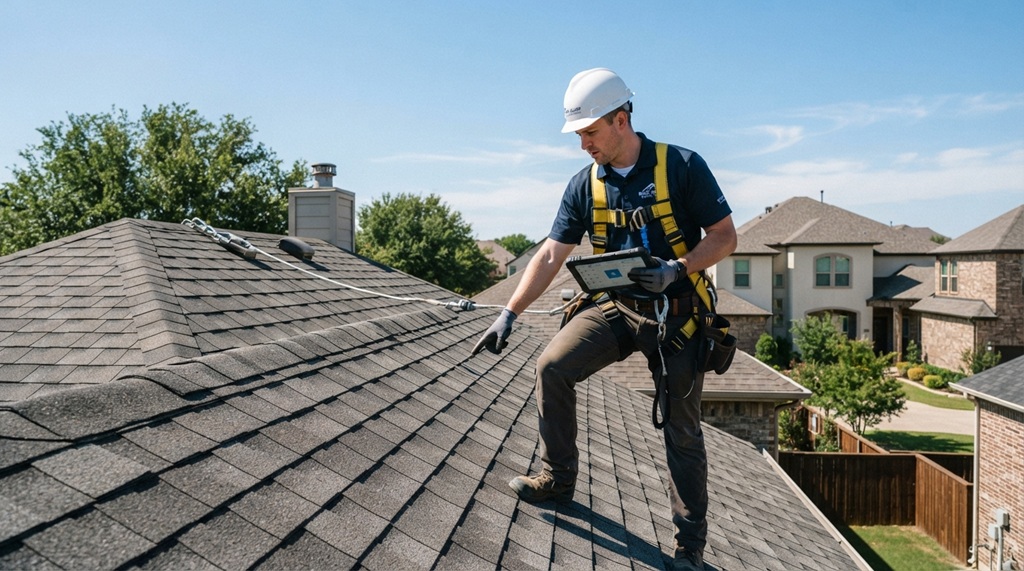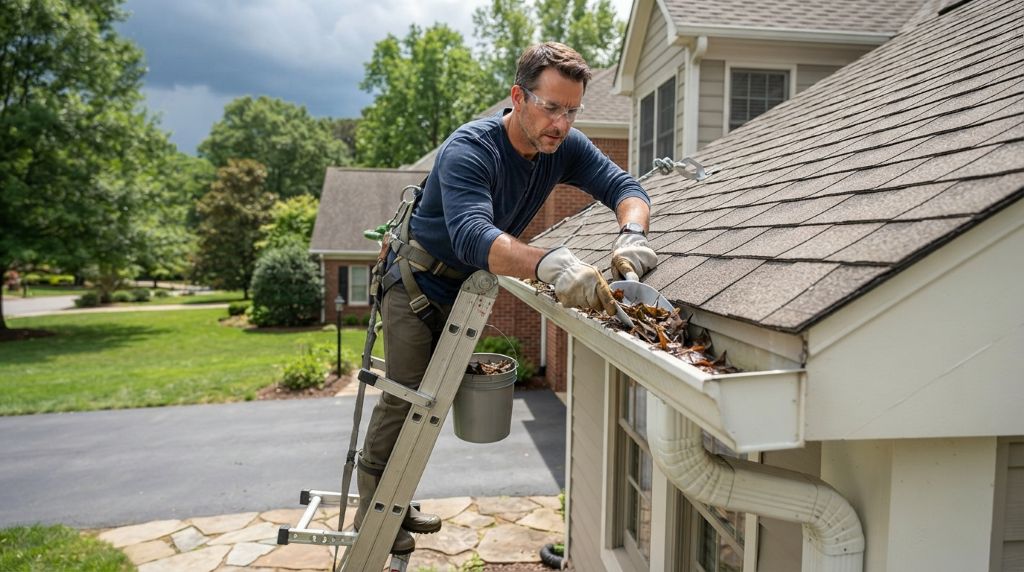

Texas roofs face unique challenges due to the state’s harsh weather, from blistering heat to sudden hailstorms. As a homeowner, understanding common roof problems can save you from costly repairs and protect your home. This guide explores the top seven issues Texas roofs encounter, offering practical tips to address them. Whether you’re in Houston or Austin, knowing these risks empowers you to act early. With my experience helping a neighbor in Dallas fix a leaky roof after a storm, I’ve seen how timely action prevents bigger headaches. Let’s dive into these roof problems to keep your home safe and sound.
1. Roof Leaks Cause Water Damage
Roof leaks are among the most frequent issues in Texas, often triggered by heavy rain or hail. Water can seep through damaged shingles or cracked flashing, leading to interior damage like stained ceilings or mold growth. According to a 2023 study by the Texas Department of Insurance, 60% of home insurance claims in Texas involve water damage from roof leaks. Regular inspections, especially after storms, can catch small leaks early.
To prevent escalation, check for discolored ceiling spots or damp walls. If you notice these signs, call a professional roofer immediately. My neighbor ignored a small leak, and within weeks, mold spread in her attic, costing thousands to repair. Cleaning gutters and ensuring proper flashing around chimneys can reduce risks. Don’t wait for a small drip to become a major problem—act fast to protect your home.
2. Hail Damage Weakens Roof Structure
Hailstorms are a Texas staple, especially in spring, causing significant roof damage. Hail can crack or dislodge shingles, leaving your roof vulnerable to leaks. A 2024 report from the National Weather Service notes that Texas sees an average of 150 hail events annually, with North Texas hit hardest. Impact-resistant shingles can mitigate damage, but regular checks are crucial.
After a hailstorm, inspect your roof for dents or missing granules on shingles. These weaken the roof’s protective layer, reducing its lifespan. I recall a Fort Worth friend whose roof looked fine post-storm, but a closer inspection revealed cracked shingles that led to leaks months later. Schedule a professional inspection if you’re unsure. Investing in durable materials like metal roofing can also save money long-term.
3. Wind Damage Lifts Shingles
High winds, common during Texas hurricanes and thunderstorms, can lift or tear shingles, exposing the underlayment. The Texas Windstorm Insurance Association reported in 2024 that wind-related roof damage accounted for 25% of coastal claims. Loose shingles create entry points for water, accelerating wear.
Check for curled or missing shingles after windy days. Securing shingles with proper adhesives during installation prevents lifting. I once helped a Houston relative reinforce their roof before hurricane season, which saved them from costly repairs later. Trim overhanging branches to reduce debris that worsens wind damage. Regular maintenance ensures your roof withstands Texas gales.
4. Poor Ventilation Shortens Roof Lifespan
Inadequate roof ventilation traps heat and moisture, causing shingles to warp and deteriorate faster. Texas’s scorching summers exacerbate this, with attic temperatures reaching 150°F without proper airflow. A 2022 study by Texas A&M University found that poor ventilation reduces shingle lifespan by up to 20%. Proper vents keep your roof and home cooler.
Inspect your attic for excessive heat or moisture signs, like mold or warped wood. Adding ridge or soffit vents can improve airflow. A San Antonio homeowner I know cut energy bills by installing proper ventilation after noticing warped shingles. Consult a roofer to assess your ventilation system. Good airflow extends your roof’s life and lowers cooling costs.

5. Clogged Gutters Lead to Water Backup
Clogged gutters trap water, causing it to pool on your roof and seep under shingles. In Texas, falling leaves and debris from storms often block gutters, leading to leaks. Regular cleaning, especially in the fall and spring, prevents backups. The Texas Department of Insurance recommends biannual gutter maintenance to avoid water damage.
Check gutters for debris and ensure downspouts direct water away from your home. I learned this lesson when my Austin home’s clogged gutters caused a leak that damaged my porch. Installing gutter guards can reduce maintenance time. Clean gutters ensure water flows freely, protecting your roof and foundation.
6. Faulty Flashing Allows Water Infiltration
Flashing seals vulnerable roof areas like chimneys and vents, but cracks or poor installation let water in. Texas’s heavy rains expose weak flashing, leading to leaks. A 2023 Texas A&M study found that 80% of roof leaks stem from faulty flashing. Regular inspections catch issues early.
Examine flashing for cracks or rust during roof checks. Resealing or replacing damaged flashing prevents costly repairs. I saw a neighbor in El Paso replace their flashing after a small leak turned into major attic damage. Hire a professional to ensure proper installation. Strong flashing keeps your roof watertight.
7. Aging Shingles Reduce Roof Protection
Shingles naturally wear out over time, especially in Texas’s extreme climate. Sun exposure and heat cause granules to loosen, reducing protection. Most asphalt shingles last 20–30 years, but Texas weather can shorten this. Replacing aging shingles before they fail prevents leaks and structural damage.
Inspect your roof for brittle or curling shingles. If your roof is over 20 years old, consider a professional evaluation. My Dallas neighbor replaced their aging roof just before a major storm, avoiding disaster. Choose durable materials like impact-resistant shingles for longevity. Proactive replacement saves money and stress.
Tips to Prevent Roof Problems in Texas
- Inspect Regularly: Check your roof twice a year, in spring and fall, to catch issues early.
- Clean Gutters: Remove debris to prevent water backup and leaks.
- Trim Trees: Cut overhanging branches to avoid damage from falling limbs.
- Choose Durable Materials: Opt for impact-resistant or metal roofing for Texas weather.
- Hire Professionals: Work with certified roofers for inspections and repairs.
Conclusion
Texas homeowners face unique roof problems due to the state’s extreme weather, from leaks to aging shingles. Regular maintenance, timely repairs, and durable materials can protect your home. My experience helping neighbors taught me that early action prevents costly damage. By addressing these seven issues—leaks, hail, wind, ventilation, gutters, flashing, and aging shingles—you ensure your roof’s longevity. Stay proactive, inspect regularly, and consult professionals to keep your home safe. Share your roofing tips or questions in the comments below, or spread this guide to help fellow Texans protect their homes!
FAQs
How often should I inspect my Texas roof?
Inspect your roof twice yearly, in spring and fall, and after major storms to catch issues early.
What are the signs of hail damage on my roof?
Look for cracked or missing shingles, dents, or granule loss on asphalt shingles after a hailstorm.
Can I repair my own roof leaks?
Small leaks may be DIY, but professional roofers ensure proper repairs to prevent further damage.
How does poor ventilation affect my roof?
It traps heat and moisture, warping shingles and shortening roof lifespan by up to 20%.
What roofing material is best for Texas?
Impact-resistant shingles or metal roofing withstand Texas’s hail, wind, and heat effectively.
Related Topics: