

Texas storms, with their fierce winds, heavy rain, and hail, can wreak havoc on your roof. Homeowners across the state face unique challenges due to the unpredictable weather patterns, from hurricanes along the Gulf Coast to tornadoes in North Texas. Understanding how these storms affect your roof is crucial for maintaining your home’s safety and value. This article explores the impact of Texas storms, offering practical insights to protect your property. Whether you’re dealing with storm damage or preparing for future weather events, we’ll guide you through essential steps to ensure your roof remains resilient.
How Texas Storms Damage Your Roof: Key Factors
Texas weather is notorious for its intensity, and storms can cause significant roof damage. High winds, often exceeding 60 mph, can loosen or tear off shingles, exposing the underlayment to water infiltration. Hail, common in spring storms, can crack or bruise roofing materials, reducing their lifespan. According to a 2021 study by the National Oceanic and Atmospheric Administration (NOAA), Texas experiences an average of 132 tornadoes annually, amplifying risks for homeowners. Heavy rainfall can also overwhelm drainage systems, leading to leaks or structural issues.
For instance, during a 2019 hailstorm in Austin, my neighbor’s roof suffered extensive granule loss, requiring a full replacement. Such personal experiences highlight the importance of regular inspections. Storms can weaken even sturdy roofs over time, making proactive maintenance essential. Homeowners should look for missing shingles, cracked tiles, or water stains indoors to catch issues early.
Common Types of Roof Damage from Texas Weather
Texas storms bring varied threats, each causing distinct types of roof damage. High winds can lift shingles or detach metal roofing, creating entry points for water. Hailstones, sometimes as large as golf balls, can puncture asphalt shingles or dent metal roofs. Prolonged rain increases the risk of leaks, especially if flashing around chimneys or vents is compromised. Debris, like fallen branches, can also puncture or scrape roofing materials.
The Insurance Institute for Business & Home Safety (IBHS) reports that hail causes over $1 billion in roof damage annually in Texas. Homeowners often overlook subtle damage, like granule loss, which reduces shingle effectiveness. After a storm, check for dents, cracks, or missing pieces. Documenting damage with photos can aid insurance claims, ensuring timely repairs to prevent further deterioration.
Why Regular Roof Inspections Are Critical
Regular roof inspections are vital to mitigate storm-related damage. Texas storms can cause hidden issues, like small leaks or weakened flashing, that worsen over time. Inspections help identify problems early, saving costly repairs. For example, after a 2020 thunderstorm in Dallas, I noticed a minor leak in my attic, caught early during a routine check, preventing major water damage.
Experts recommend biannual inspections, ideally before and after storm season. A professional roofer can spot issues like cracked shingles or clogged gutters that homeowners might miss. Additionally, inspections ensure your roof meets wind and impact resistance standards, crucial for Texas’s volatile weather. Scheduling checks in spring and fall prepares your home for hurricanes or tornadoes, maintaining its structural integrity.
Top Tips to Protect Your Roof from Texas Storms
Preparing your roof for Texas storms can minimize damage and extend its lifespan. Here are practical steps to safeguard your home:
- Choose impact-resistant materials: Opt for Class 4 shingles or metal roofing to withstand hail and wind.
- Secure loose items: Remove or anchor yard objects that could become debris during storms.
- Maintain trees: Trim branches near your roof to prevent damage from falling limbs.
- Clean gutters: Ensure proper drainage to avoid water pooling and leaks.
- Reinforce flashing: Check seals around vents and chimneys for watertight protection.
Implementing these measures reduces storm impact. For instance, after reinforcing my flashing, my roof withstood a 2022 Houston storm with minimal issues. Regular maintenance, combined with quality materials, ensures your roof remains resilient against Texas’s harsh weather.
Mistakes to Avoid After Storm Damage Occurs
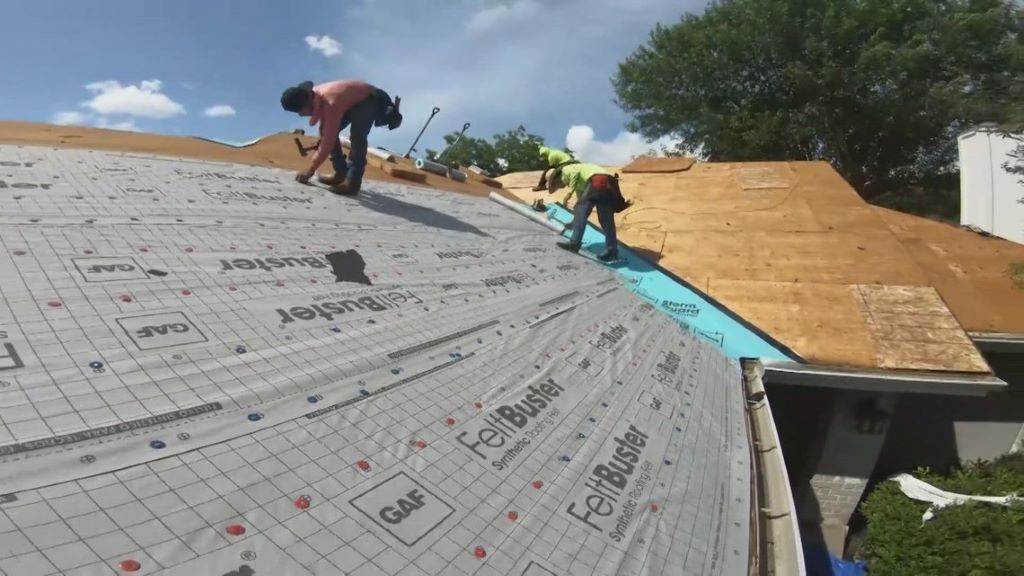
Post-storm mistakes can exacerbate roof damage and complicate repairs. Avoid these common errors:
- Ignoring minor damage: Small leaks or missing shingles can lead to major issues if untreated.
- Delaying insurance claims: Prompt filing ensures faster repairs and coverage.
- Hiring unverified contractors: Choose licensed, insured roofers to avoid scams.
- Neglecting documentation: Photos and detailed notes strengthen insurance claims.
- Attempting DIY repairs: Complex damage requires professional expertise to ensure safety.
After a 2023 Fort Worth storm, a friend delayed repairs, resulting in mold growth. Acting quickly and hiring reputable professionals prevents costly consequences. Always verify contractor credentials and review insurance policies to understand coverage limits.
How to Choose Storm-Resistant Roofing Materials
Selecting durable roofing materials is key to protecting your home from Texas storms. Asphalt shingles with a Class 4 impact rating resist hail and wind better than standard options. Metal roofs, like standing seam steel, offer superior durability against high winds and debris. Tile roofs, while heavier, can withstand moderate storms if properly installed. However, cost and weight vary, so consider your home’s structure and budget.
A 2022 Texas A&M University study found that impact-resistant shingles reduce repair costs by up to 20% in storm-prone areas. When choosing materials, consult a local roofer familiar with Texas weather patterns. My own metal roof installation in 2021 has proven resilient, enduring multiple storms without damage. Prioritize materials with high wind and impact ratings for long-term protection.
The Role of Insurance in Storm Damage Recovery
Homeowners’ insurance plays a critical role in recovering from storm damage. Most policies cover wind, hail, and water damage, but specifics vary. Review your policy to understand deductibles and coverage limits. Filing a claim promptly, with detailed documentation, speeds up the process. For example, after a 2022 San Antonio hailstorm, my detailed claim submission led to a swift roof replacement approval.
According to NOAA, Texas storms account for 15% of national weather-related insurance claims. Contact your insurer immediately after damage occurs, and avoid temporary fixes that could void coverage. Hiring a public adjuster may help if disputes arise. Understanding your policy ensures you’re prepared to navigate claims efficiently, minimizing out-of-pocket expenses.
Preparing for the Next Texas Storm Season
Proactive preparation is essential for Texas’s storm season, typically peaking from April to October. Start by inspecting your roof for existing damage and reinforcing weak areas. Ensure gutters are clear and downspouts direct water away from your foundation. Stock emergency supplies, like tarps, to cover damage temporarily. Additionally, keep a list of trusted roofers for quick repairs.
Creating a storm preparedness plan reduces stress. For instance, before a 2023 hurricane, I secured loose shingles and cleared debris, preventing major damage. Regularly update your insurance policy to reflect home improvements, ensuring adequate coverage. By staying proactive, you can protect your roof and home from the unpredictable Texas weather.
Conclusion
Texas storms pose significant risks to your roof, from wind-torn shingles to hail-induced cracks. By understanding how storms cause damage, conducting regular inspections, and choosing durable materials, you can safeguard your home. Proactive steps, like reinforcing flashing and clearing gutters, minimize repair costs and extend roof lifespan. Don’t wait for the next storm to act—review your insurance, schedule inspections, and prepare for severe weather. Share your storm preparation tips in the comments or spread this article to help others protect their homes!
FAQs
How Often Should I Inspect My Roof in Texas?
Inspect your roof twice a year, before and after storm season, to catch issues early.
What Are Signs of Storm Damage on My Roof?
Look for missing shingles, cracks, dents, granule loss, or indoor water stains.
Can I Repair Storm Damage Myself?
Minor fixes are possible, but professional roofers ensure safe, lasting repairs for complex damage.
How Do I Choose a Reliable Roofing Contractor?
Verify licenses, insurance, and reviews; avoid contractors without local references or clear contracts.
Does Insurance Cover All Storm Damage?
Most policies cover wind and hail, but review deductibles and exclusions for specifics.
Read More:







