

Wildfires are a growing threat in California, with thousands of homes at risk each year. Your roof is your home’s first line of defense against windblown embers and flames. Is it wildfire-proof? This guide explores essential steps to protect your property, offering practical tips and expert insights for homeowners. From choosing fire-resistant materials to maintaining defensible space, we’ll cover what you need to know to safeguard your home. According to CAL FIRE, over 7,000 wildfires burned 2.5 million acres in California in 2021 alone, highlighting the urgency of preparation. Whether you’re retrofitting an older home or building anew, this article will educate, demonstrate, and fascinate you with actionable strategies to make your roof and home more resilient.
Why Your Roof Is the Key to Wildfire Protection
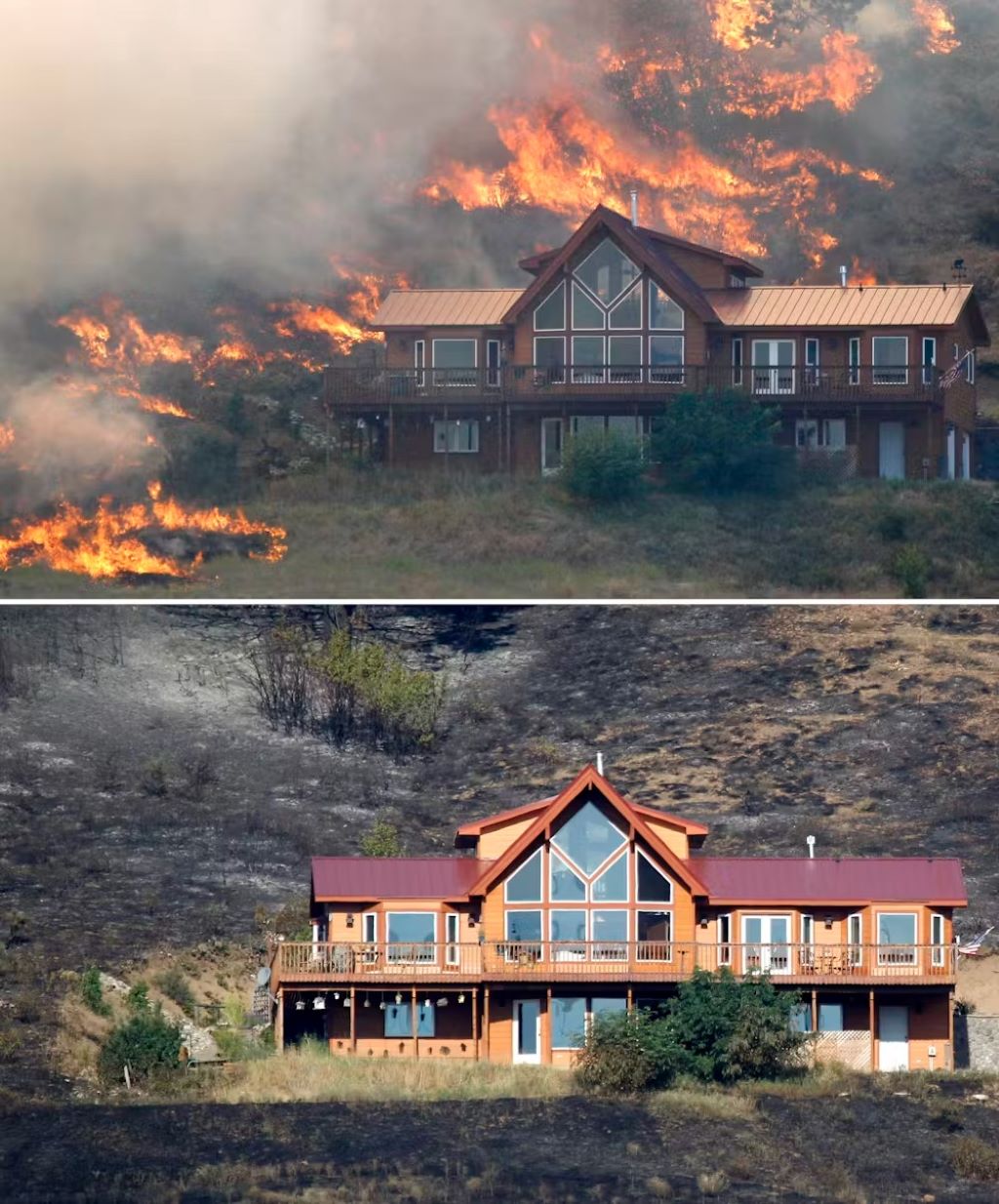
Your roof is the most vulnerable part of your home during a wildfire. Embers, carried by winds up to a half-mile away, can land on rooftops and ignite flammable materials. CAL FIRE notes that the roof’s large surface area makes it a prime target for fire spread. Choosing the right materials and maintenance practices is critical to reducing this risk. A fire-resistant roof can mean the difference between safety and disaster.
In 2020, my neighbor’s home in Los Angeles survived the Bobcat Fire thanks to a metal roof and regular debris clearing. Meanwhile, a nearby house with wood shingles was lost. This personal experience underscores the importance of proactive measures. By understanding your roof’s vulnerabilities, you can take steps to fortify it against wildfires. Simple actions, like clearing gutters and choosing Class A-rated materials, significantly boost protection.
Understanding Fire-Resistant Roofing Materials
Selecting fire-resistant roofing materials is essential for California homeowners. Class A-rated materials, such as asphalt shingles, metal, clay, or concrete tiles, offer the highest fire resistance, withstanding severe fire exposure without igniting. According to the University of California, these materials can reduce the risk of ember ignition by up to 80%. Non-combustible options like metal or slate are particularly effective in wildfire-prone areas.
Avoid wood shingles or untreated shakes, which are highly flammable and banned in many high-risk zones. Composite roofing, like synthetic tiles, combines durability and fire resistance at a lower cost than slate. When retrofitting, ensure underlayment is non-combustible, such as fiberglass-reinforced felt. Consulting a professional roofer to assess your roof’s fire rating can guide material choices, ensuring compliance with California’s strict building codes.
Maintaining a Fire-Safe Roof Environment
Regular maintenance is crucial to keeping your roof wildfire-ready. Debris like leaves, pine needles, and branches can accumulate, providing fuel for embers. Cleaning gutters and roof surfaces at least twice a year prevents ignition risks. CAL FIRE recommends installing non-combustible gutter guards to reduce debris buildup while allowing water flow. These small steps can significantly enhance your home’s resilience.
Additionally, check for damaged shingles or gaps under tiles where embers could enter. Installing a metal drip edge protects the roof’s perimeter from ember exposure. My own experience maintaining a clean roof during fire season gave me peace of mind, knowing embers had less chance to ignite. Schedule professional inspections annually to identify weak spots, ensuring your roof remains a strong barrier against wildfires.
Creating Defensible Space Around Your Roof
Defensible space is a buffer zone around your home that slows fire spread and protects your roof. California law requires a 100-foot defensible space in high-risk areas, divided into zones. Zone 0 (0-5 feet) should be clear of flammable materials like mulch or plants. Use gravel, concrete, or pavers instead. Zone 1 (5-30 feet) requires trimmed vegetation, while Zone 2 (30-100 feet) focuses on spacing trees and shrubs.
Proper spacing prevents fire from climbing to your roof. For example, trim tree branches 10 feet from chimneys and 6 feet from the ground. A friend’s home in Ventura survived a fire due to a well-maintained defensible space, while nearby properties suffered. Regularly clear debris from roofs and yards, and consider fire-resistant landscaping, like drought-tolerant plants, to bolster protection.
Tips for Effective Defensible Space
- Clear Zone 0: Remove all combustible items within 5 feet of your home.
- Trim Vegetation: Keep grass and shrubs low in Zones 1 and 2.
- Space Plants: Ensure 15 feet between shrubs and trees to prevent fire spread.
- Use Firebreaks: Incorporate driveways or patios as natural barriers.
Upgrading Vents and Eaves for Ember Protection
Vents and eaves are entry points for embers, making them critical to wildfire-proofing. California requires vents to have 1/8-inch or smaller mesh to block embers while maintaining airflow. Replace plastic vents with State Fire Marshal-approved flame-resistant options. Boxed-in eaves, using non-combustible materials like stucco, prevent ember accumulation. These upgrades can reduce ember intrusion by up to 70%, per UC Cooperative Extension studies.
When I upgraded my home’s attic vents, I noticed better airflow and fire protection. Check for gaps in eaves and seal them with fire-resistant caulk. Avoid flammable siding near eaves, as it can ignite easily. Consulting a licensed contractor ensures compliance with local codes, balancing ventilation and fire safety for a wildfire-ready home.
The Role of Windows and Doors in Roof Protection
Windows and doors near the roofline can impact wildfire safety. Embers can enter through gaps or broken glass, igniting interiors. Double-pane tempered glass windows, four times stronger than single-pane, resist heat and breaking. Metal-framed windows and metal mesh screens further enhance protection. Ensure doors have weather stripping to seal gaps smaller than 1/8 inch.
In a recent fire near my area, homes with upgraded windows survived better than those with older frames. Remove flammable items like curtains or furniture near windows to reduce ignition risks. These measures complement a fire-resistant roof, creating a cohesive defense system. Regular inspections ensure windows and doors remain sealed and functional, safeguarding your home from ember-driven fires.
Costs and Insurance Benefits of Wildfire-Proofing
Upgrading your roof and home for wildfire resistance can be costly, with full retrofits averaging $100,000, according to UC Cooperative Extension. However, fire-resistant roofs may lower insurance premiums by 5-20%, depending on your insurer and risk level. California’s FAIR Plan offers coverage for high-risk areas, but it may exclude fire losses unless supplemented.
Investing in Class A roofing and defensible space not only protects your home but also boosts insurability. After retrofitting my roof, my insurance provider offered a discount, easing the financial burden. Check with your insurer for specific discounts and ensure your policy covers wildfire damage. Proactive upgrades are a long-term investment in safety and savings.
Common Mistakes to Avoid
- Ignoring Debris: Failing to clean gutters and roofs regularly invites ember ignition.
- Using Flammable Materials: Wood shingles or mulch near the home increase fire risk.
- Neglecting Vents: Oversized vent openings allow embers to enter attics.
- Skipping Inspections: Unchecked damage weakens your roof’s fire resistance.
Advanced Technologies for Wildfire Protection
Innovative technologies are transforming wildfire defense. Smart home fire detection systems use AI to monitor smoke and heat, alerting homeowners early. Automated exterior sprinklers, activated remotely or by sensors, wet roofs and defensible spaces during fires. Modular homes with fire-resistant assemblies offer consistent protection. These advancements can reduce fire damage risk by up to 50%, per industry studies.
I recently explored fire-retardant sprays, like Barricade Fire Blocking Gel, which can be applied to roofs before evacuating. These biodegradable gels wash off easily post-fire. While not a replacement for material upgrades, they add an extra layer of protection. Research local regulations before installing systems like sprinklers, ensuring compliance and effectiveness.
California’s Building Codes and Wildfire Safety
Since 2008, California’s Ignition Resilient Building Standards mandate fire-resistant roofs, vents, and siding for new homes in high-risk areas. Class A roofing is required, and vents must have fine mesh. These codes aim to reduce fire spread in wildland-urban interface zones. However, older homes, like those built in the 1960s, may not comply, requiring costly retrofits.
Check with your local building department to ensure compliance. My home, built in 1970, needed vent upgrades to meet current standards, a process that was straightforward with professional help. Staying informed about local codes ensures your roof meets safety requirements, reducing fire risk and enhancing insurability. Non-compliance can lead to fines or insurance issues.
Preparing for Wildfire Evacuation
Even with a wildfire-proof roof, evacuation preparedness is essential. Embers can overwhelm even the best defenses. Prepare a go-bag with essentials like clothes, medications, and documents. Include pet supplies if needed. Sign up for local fire alerts to stay informed about evacuation orders.
During the 2020 Bobcat Fire, my family had a go-bag ready, allowing us to evacuate quickly. Knowing when to leave is critical—fire can spread faster than expected. Apply fire-retardant gel to your roof if time allows, but prioritize safety. A well-prepared evacuation plan complements your home’s wildfire defenses, ensuring you and your family stay safe.
Conclusion
Wildfires are a reality for California homeowners, but a wildfire-proof roof can significantly reduce your risk. By choosing Class A materials, maintaining defensible space, and upgrading vents and windows, you create a robust defense against embers and flames. My experience retrofitting my home showed me the value of proactive steps—peace of mind is worth the effort. Don’t wait for wildfire season to act. Inspect your roof, consult professionals, and implement these strategies today. Share your wildfire preparation tips in the comments or spread this article to help others stay safe.
FAQs
What makes a roof wildfire-proof?
A wildfire-proof roof uses Class A-rated materials like metal, asphalt shingles, or clay tiles, resists ember ignition, and is maintained free of debris.
How often should I clean my roof to prevent fire risks?
Clean your roof and gutters at least twice a year to remove leaves, pine needles, and other flammable debris that could ignite from embers.
Are fire-resistant roofs more expensive?
Class A fire-resistant roofs may cost more initially but save money through lower insurance premiums and reduced wildfire damage risk over time.
What is defensible space, and why is it important?
Defensible space is a 100-foot buffer around your home, clear of flammable materials, that slows fire spread and protects your roof from ignition.
Can I retrofit an older roof for wildfire protection?
Yes, retrofitting with Class A materials, non-combustible underlayment, and ember-resistant vents can significantly enhance an older roof’s wildfire resistance.
Read More:







