
California’s unique geography creates vastly different climate conditions across the state. From coastal fog to desert heat and mountain snow, these diverse weather patterns present distinct roofing challenges. Understanding common roof issues in California’s diverse climate helps homeowners protect their most valuable investment. Whether you live in San Diego’s mild coastal zone or endure Sacramento’s scorching summers, your roof faces specific threats year-round. This comprehensive guide explores the most frequent roofing problems across California’s climate regions. Additionally, we’ll provide practical solutions to keep your roof functioning optimally for decades.
Understanding California’s Varied Climate Zones and Their Impact on Roofing Systems
California encompasses multiple climate zones, each presenting unique challenges for residential roofing systems. The state’s Mediterranean climate along the coast creates moderate temperatures but introduces salt air corrosion. However, inland areas experience extreme temperature fluctuations that cause materials to expand and contract repeatedly.
Desert regions like Palm Springs face intense UV radiation and minimal rainfall, leading to different deterioration patterns. Meanwhile, mountain communities deal with heavy snow loads and freeze-thaw cycles. Therefore, roof problems vary significantly depending on your specific location within the state.
The California Energy Commission recognizes sixteen distinct climate zones across the state. Each zone requires different roofing approaches and maintenance schedules. Furthermore, understanding your local climate zone helps predict which roofing issues you’re most likely to encounter.
Heat-Related Roofing Problems Across California’s Warmer Regions
Extreme heat represents one of the most common roof issues in California’s diverse climate, particularly in inland valleys and desert areas. Prolonged exposure to temperatures exceeding 100°F causes roofing materials to deteriorate rapidly. Asphalt shingles become brittle and crack, while metal roofing expands significantly during peak heat hours.
UV radiation breaks down organic compounds in roofing materials over time. This process, called photodegradation, weakens shingles and reduces their protective capabilities. Additionally, intense heat can cause flashing to warp and create gaps where water might eventually penetrate.
Thermal shock occurs when roofing materials experience rapid temperature changes between day and night. Desert regions often see 40-degree temperature swings within 24 hours. Therefore, selecting heat-resistant materials becomes crucial for long-term roof performance in these challenging environments.
Moisture and Humidity Challenges in California’s Coastal Areas
Coastal California faces unique moisture-related roofing challenges despite receiving less annual rainfall than many regions. Salt-laden ocean air accelerates corrosion of metal components like gutters, flashing, and fasteners. However, the persistent marine layer creates consistent humidity that promotes mold and algae growth on roof surfaces.
Condensation problems frequently occur when warm, humid air meets cooler roof surfaces during morning hours. This moisture can penetrate roofing systems and damage underlying materials. Furthermore, coastal winds drive salt spray considerable distances inland, affecting homes several miles from the ocean.
Fog and marine layer conditions keep roof surfaces damp for extended periods. These conditions create ideal environments for organic growth that can compromise roofing material integrity. Therefore, coastal homeowners must implement specific maintenance routines to address these moisture-related concerns effectively.
Wind Damage Concerns Throughout California’s Diverse Geographic Regions
Strong winds pose significant threats to roofing systems across California’s varied landscape. Santa Ana winds in Southern California can exceed 70 mph, creating extreme uplift forces on roof materials. These powerful winds can lift shingles, tear flashing, and damage guttering systems within hours.
Coastal areas experience consistent onshore breezes that gradually loosen roofing components over time. However, mountain regions face downslope winds that can be equally destructive. Additionally, wildfire-related wind patterns create unpredictable and intense gusts that test even well-maintained roofing systems.
Wind-driven debris presents another major concern during California’s fire season. Flying embers, branches, and other materials can puncture or damage roofing surfaces. Therefore, regular inspections become essential after any significant wind event to identify and address potential problems quickly.

Seismic Activity Effects on California Roofing Structural Integrity
California’s seismic activity creates unique structural challenges for roofing systems throughout the state. Earthquake movements can shift roof framing, causing gaps in flashing and compromising waterproof seals. However, most earthquake damage to roofs occurs gradually rather than during major seismic events.
Ground settling and minor tremors cause subtle structural movements that accumulate over time. These movements can create stress fractures in roofing materials and loosen fasteners. Additionally, chimney connections often suffer damage from seismic activity, creating potential leak points.
Building codes require earthquake-resistant construction methods, but older homes may lack these modern safety features. Therefore, homeowners in seismically active areas should conduct regular structural assessments to ensure their roofing systems remain properly secured and functional.
Wildfire Season Impacts on California Residential Roofing Systems
California’s wildfire seasons present increasingly serious threats to residential roofing systems statewide. Flying embers can travel several miles from active fires, landing on roofs and igniting combustible materials. However, even homes that survive direct fire contact often suffer heat damage to roofing components.
Radiant heat from nearby fires can warp metal roofing, crack tiles, and cause asphalt shingles to curl or blister. Smoke and ash contamination also creates long-term maintenance challenges for affected roofing systems. Furthermore, post-fire cleanup often reveals hidden damage that wasn’t immediately apparent.
According to the California Department of Forestry and Fire Protection, over 7,000 structures burned in 2023 alone. Fire-resistant roofing materials and proper maintenance become critical for homes in high-risk areas. Therefore, homeowners should prioritize fire-safe roofing choices and create defensible space around their properties.
Age-Related Deterioration Patterns in California’s Climate Conditions
Roofing materials age differently under California’s diverse climate conditions compared to other regions. Coastal areas see gradual deterioration from salt exposure and consistent humidity. However, inland areas experience accelerated aging from extreme temperature cycles and intense UV radiation.
Asphalt shingles typically last 15-20 years in California’s challenging climate conditions. Metal roofing performs better, often lasting 40-50 years with proper maintenance. Additionally, tile roofing can endure California’s climate for 50-100 years when installed correctly.
Regular maintenance extends roofing system lifespan significantly regardless of material type. Professional inspections help identify early signs of deterioration before major problems develop. Therefore, establishing consistent maintenance schedules proves essential for maximizing roofing investment returns throughout California’s varied climate zones.
Professional Maintenance Strategies for California’s Diverse Climate Challenges
Effective roof maintenance requires climate-specific approaches tailored to your local conditions. Coastal homeowners should focus on corrosion prevention and moisture control measures. However, desert region residents must prioritize heat protection and UV damage prevention strategies.
Essential Maintenance Tasks by Climate Zone:
- Coastal areas: Monthly salt spray cleaning, annual metal component inspection
- Desert regions: Quarterly thermal expansion checks, bi-annual UV damage assessment
- Mountain zones: Pre-winter snow load evaluation, spring freeze-thaw damage inspection
- Inland valleys: Seasonal temperature cycle material checks, fire season preparation
Professional maintenance contracts provide consistent care regardless of your specific climate challenges. Additionally, experienced contractors understand regional roofing problems and can implement preventive measures effectively. Therefore, investing in professional maintenance services often proves more cost-effective than reactive repairs.
Cost-Effective Prevention Solutions for California Homeowners
Preventing common roof issues in California’s diverse climate requires strategic planning and consistent investment. Simple measures like regular cleaning and inspection can prevent thousands of dollars in major repairs. However, more substantial investments in quality materials and professional installation provide long-term value.
Budget-Friendly Prevention Strategies:
- Monthly visual inspections from ground level
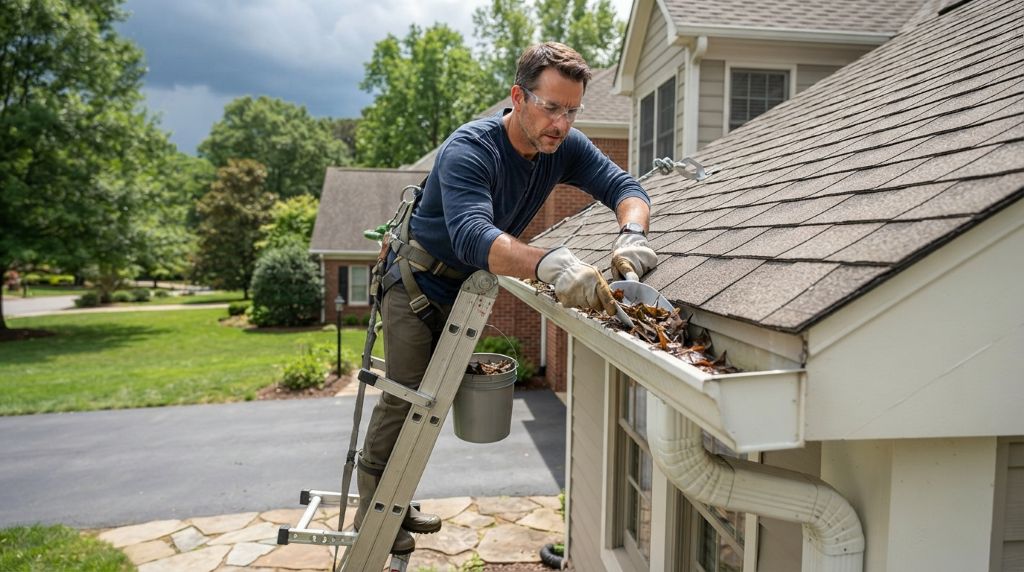
- Quarterly gutter cleaning and maintenance
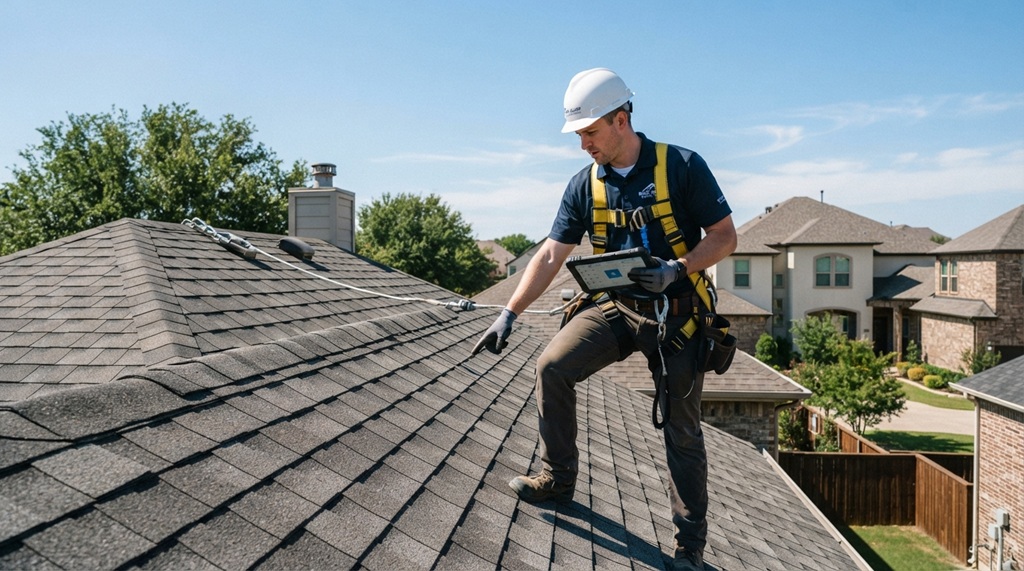
- Annual professional roof assessment
- Immediate repair of minor issues
- Proper attic ventilation maintenance
Energy-efficient roofing solutions often qualify for utility rebates and tax credits in California. Cool roof technologies reduce heat absorption and lower cooling costs significantly. Furthermore, solar-ready roofing systems can increase property values while reducing energy expenses over time.
When to Call Professional Roofing Contractors in California
Recognizing when to seek professional help prevents minor issues from becoming major problems. Complex repairs require specialized knowledge of California building codes and climate-specific installation techniques. However, simple maintenance tasks can often be handled by knowledgeable homeowners safely.
Situations Requiring Professional Intervention:
- Structural damage from earthquakes or severe weather
- Multiple leak sources or widespread deterioration
- Fire damage assessment and restoration
- Major material replacement projects
- Insurance claim documentation and repairs
Licensed contractors understand California’s diverse climate challenges and local building requirements. Additionally, professional work typically includes warranties that protect your investment. Therefore, choosing qualified contractors ensures repairs meet current standards and provide lasting solutions.
Personal Experience: Lessons Learned from Twenty Years in California Roofing
After two decades of maintaining homes across California’s diverse regions, I’ve witnessed firsthand how climate affects roofing performance. My Riverside County home taught me about desert heat challenges when asphalt shingles began curling after just ten years. However, switching to tile roofing solved the heat problem effectively.
The 2020 wildfire season brought new appreciation for fire-resistant materials when embers landed on my neighbor’s roof. Their composite shingles ignited quickly, while my clay tiles remained intact. Additionally, proper gutter maintenance proved crucial during that winter’s heavy rains following the fires.
These experiences reinforced the importance of choosing climate-appropriate materials and maintaining consistent inspection schedules. Therefore, homeowners should consider their specific climate challenges when making roofing decisions and prioritize preventive maintenance consistently.
FAQs
What are the most common roof problems in California?
Heat damage, wind uplift, moisture infiltration, earthquake stress, and wildfire damage rank as California’s most frequent roofing issues.
How often should California homeowners inspect their roofs?
Monthly visual inspections and annual professional assessments work best for most California climate zones, with additional checks after severe weather.
Which roofing materials perform best in California’s climate?
Clay tiles, metal roofing, and concrete tiles offer superior performance across California’s diverse climate conditions compared to standard asphalt shingles.
Do California homeowners need special fire-resistant roofing?
Yes, California building codes require Class A fire-rated roofing materials in high-risk wildfire areas, with additional requirements in some counties.
How much does roof maintenance cost in California?
Annual professional maintenance typically costs $300-600, while major repairs range from $1,500-8,000 depending on damage extent and materials.
Conclusion
California’s diverse climate creates unique roofing challenges that require informed approaches and consistent maintenance. From coastal salt damage to desert heat stress, understanding your local climate helps predict and prevent common problems. However, professional guidance ensures your roofing system can withstand whatever Mother Nature delivers.
Regular maintenance, appropriate material selection, and timely repairs protect your investment while maintaining your home’s structural integrity. Additionally, staying informed about climate-specific challenges helps you make better decisions about repairs and replacements. Therefore, treating your roof as a critical home system deserving consistent attention proves essential for long-term success.
Take action today by scheduling a professional roof inspection and developing a maintenance plan suited to your climate zone. Share this article with neighbors facing similar challenges, and leave a comment about your own roofing experiences in California’s unique climate conditions.
Read More: