

Summer. The word alone conjures images of lazy days, vibrant flora, and the unmistakable warmth of the sun. But for your home’s unsung hero – its roof – summer brings a relentless assault. While you’re enjoying backyard barbecues and refreshing dips, your roof is battling intense heat, powerful UV rays, and the expansion and contraction cycles that can significantly shorten its lifespan. Ignoring these critical factors can lead to premature aging, costly leaks, and a surprising increase in your energy bills.
This isn’t just about avoiding a future headache; it’s about safeguarding your investment, maintaining your home’s structural integrity, and ensuring your indoor comfort. A well-maintained roof is your first line of defense against the elements, and understanding how to protect it from summer’s unique challenges is paramount.
In this in-depth guide, we’ll peel back the layers of summer roof care, providing you with actionable insights and practical tips to shield your roof from heat damage. From understanding the silent threats to proactive maintenance and smart material choices, prepare to become your roof’s best advocate.
The Silent Threats: How Summer Heat Attacks Your Roof
It’s easy to underestimate the sheer force of summer on your roof. Beyond just feeling hot, several distinct mechanisms contribute to heat damage:
UV Radiation Degradation:
Think of UV rays as a constant, invisible sandpaper. Over time, ultraviolet radiation breaks down the chemical bonds in roofing materials. For asphalt shingles, this leads to the degradation of granules, exposing the underlying asphalt to further damage. For other materials, it can cause fading, brittleness, and a loss of structural integrity. This silent erosion significantly shortens your roof’s lifespan.
Thermal Expansion and Contraction (The Daily Grind):
Imagine your roof materials constantly expanding during the heat of the day and contracting as temperatures drop at night. This daily thermal cycling puts immense stress on fasteners, seams, and the materials themselves. Over time, it can lead to shingles buckling, flashing pulling away, and even cracks forming in rigid materials. It’s a relentless, subtle force that slowly compromises your roof’s watertight seal.
Heat Buildup in the Attic/Pitched Roof Space:
This is where the real insidious damage can occur. An inadequately ventilated attic acts like a pressure cooker. As heat radiates from your roof surface, it gets trapped in the attic, raising temperatures significantly. This trapped heat not only radiates back down into your living space, forcing your air conditioner to work harder (hello, higher energy bills!), but it also cooks your roof from the inside out. Extreme attic temperatures can degrade roofing felt, warp sheathing, and accelerate the breakdown of shingles from below. This is a critical, often overlooked aspect of roof health.
Moisture Trapping (The Hidden Enemy):
While summer is generally dry, sudden thunderstorms are common. If your roof has existing minor damage or if debris is trapping moisture, the intense heat can accelerate evaporation, leaving behind mineral deposits that can corrode materials. More importantly, poor ventilation can lead to condensation in the attic during cooler nights after hot days, creating an ideal environment for mold and mildew growth, which further compromises roof sheathing and framing.
Proactive Measures: Your Summer Roof Care Checklist
Understanding the threats is the first step; taking action is the next. Here’s a detailed checklist for robust summer roof protection:
Thorough Pre-Summer Inspection (DIY & Professional):
-
- DIY Visual Check: From the ground with binoculars, look for missing, cracked, or curled shingles. Note any dark spots, which could indicate algae or mold growth. Check for sagging sections, especially around valleys or skylights. Look for loose or missing flashing around chimneys, vents, and skylights – these are common leak points.
- Attic Inspection: On a cooler day, venture into your attic. Look for signs of water stains on the underside of the roof deck or insulation. Check for proper ventilation at the soffits and ridge. Ensure insulation isn’t blocking airflow.
- Professional Inspection: Even if you’re handy, a professional roof inspection is invaluable. They can spot subtle issues you might miss, such as granular loss, minor flashing defects, or early signs of decking damage. They have the expertise and equipment to safely access and thoroughly assess your roof’s condition. Schedule this before peak summer hits.
Clear Gutters and Downspouts:
This seems basic, but its importance can’t be overstated. Clogged gutters prevent rainwater from draining efficiently. This leads to water pooling on the roof’s edge, seeping under shingles, and causing rot and fascia damage. In summer, backed-up water can also create localized heat islands, accelerating material degradation. Clear them regularly, especially after heavy winds or storms.
Trim Overhanging Branches:
Trees provide shade, which is great, but overhanging branches are a roof’s nemesis.
-
- Abrasion: Branches constantly rub against your roof, abrading shingles and wearing away protective granules.
- Debris Accumulation: Leaves, twigs, and sap accumulate, trapping moisture and promoting mold and mildew growth.
- Pest Access: Branches offer a highway for squirrels, raccoons, and other pests to access your attic.
- Storm Damage: During summer storms, weak or dead branches can break off and fall, causing severe impact damage to your roof. Prune them back at least 6-10 feet from your roofline.
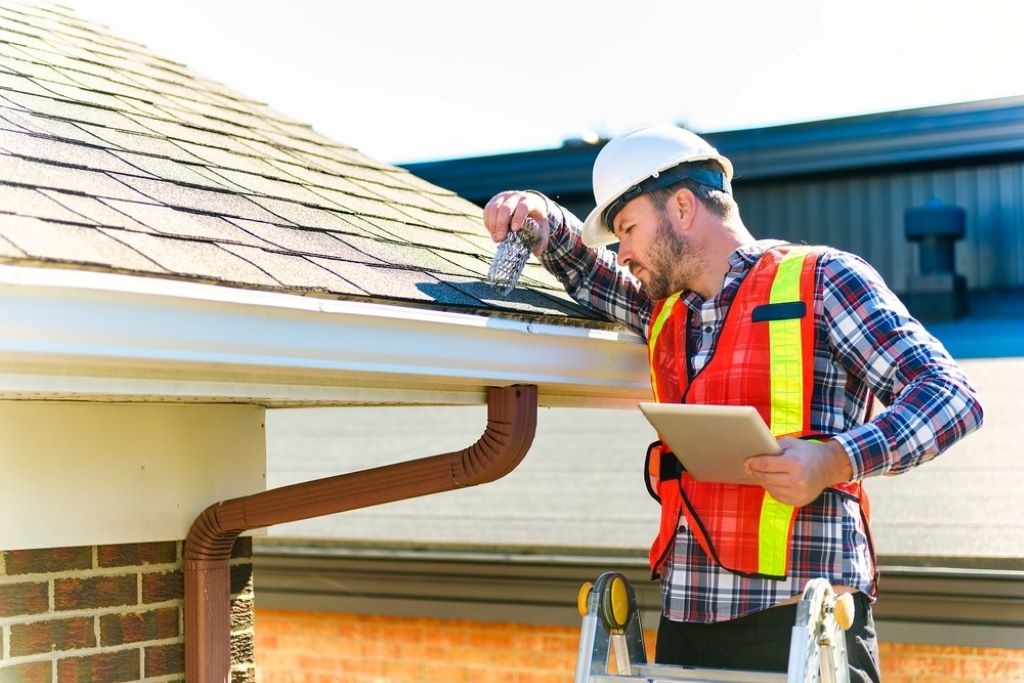
Optimize Attic Ventilation (The Game Changer):
This is perhaps the single most crucial step in mitigating summer heat damage. Proper attic ventilation creates a continuous airflow, drawing hot, stale air out of the attic and pulling in cooler, fresh air from outside.
-
- Soffit and Ridge Vents: The ideal system includes soffit vents (intake) and ridge vents (exhaust). Soffit vents allow cooler air to enter the attic at its lowest point, while ridge vents allow the hottest air to escape at the highest point, creating a natural convection current.
- Gable Vents: While not as efficient as a balanced soffit/ridge system, gable vents can contribute to airflow in some roof designs.
- Power Fans: In some cases, thermostatically controlled attic fans can significantly improve airflow, especially in attics with limited passive ventilation. However, they must be properly sized and installed to avoid negative pressure issues.
- Clear Obstructions: Ensure insulation isn’t blocking your soffit vents. Install rafter baffles to maintain a clear path for airflow from the soffits to the attic space.
Address Minor Repairs Promptly:
A small crack today can become a major leak tomorrow. Don’t procrastinate on:
-
- Replacing Missing/Damaged Shingles: This is a relatively easy fix that prevents water intrusion and further deterioration.
- Sealing Flashing: Use a high-quality sealant specifically designed for roofing materials to re-seal any compromised flashing around penetrations.
- Repairing Small Cracks/Holes: Small holes from satellite dish removal or storm debris should be patched immediately.
Beyond Maintenance: Smart Choices for a Heat-Resistant Roof
While maintenance is key, certain roofing choices can significantly enhance your roof’s ability to withstand summer heat:
- Light-Colored or “Cool Roof” Materials:
- Reflectivity: Light-colored shingles or metal roofs reflect more sunlight away from your home, significantly reducing the amount of heat absorbed. This translates to a cooler attic and lower indoor temperatures.
- Emissivity: “Cool roof” materials also have high emissivity, meaning they release absorbed heat quickly rather than retaining it.
- Energy Star Rated Products: Look for roofing products with an Energy Star rating. These are independently certified to meet specific standards for energy efficiency, including solar reflectivity.
- Metal Roofing:
- Durability: Metal roofs are incredibly durable and can withstand extreme temperatures and UV exposure without significant degradation.
- Reflectivity: Many metal roofing options come with highly reflective coatings that can keep your home significantly cooler.
- Longevity: While a higher upfront cost, metal roofs can last 50 years or more, offering excellent long-term value.
- Proper Installation: Even the best materials will fail if not installed correctly. Ensure your roofing contractor is licensed, insured, and experienced. Proper underlayment, flashing, and fastening techniques are critical for preventing heat and water damage.
Common Questions About Summer Roof Care
- Can I walk on my roof in summer? It’s generally not recommended, especially on hot days, as it can damage shingles (especially asphalt) by dislodging granules or even cracking them. If you must, wear soft-soled shoes and walk carefully. Better yet, leave it to professionals.
- How often should I inspect my roof? At least twice a year (spring and fall) and after any major storm.
- Will painting my roof help? Only if you use a specialized “cool roof” coating designed for this purpose. Regular paint won’t provide the necessary reflectivity or durability.
- What are signs of heat damage? Curled, cracked, or blistering shingles, excessive granule loss (you’ll see them in gutters), warped decking in the attic, and an unusually hot attic space.
- Is professional cleaning necessary? Yes, especially if you have algae, moss, or lichen growth. These can trap moisture and accelerate shingle degradation. Always use a reputable company that employs soft washing methods to avoid damaging your roof.
Don’t Let Summer Sizzle Your Savings: A Final Word
Your roof is more than just a covering; it’s a complex system designed to protect your most valuable asset. Neglecting its care, especially during the challenging summer months, is a costly mistake. By understanding the threats, implementing proactive maintenance, and considering smart material choices, you can significantly extend your roof’s lifespan, reduce energy costs, and ensure your home remains a cool, comfortable sanctuary.
Don’t wait for a leak to remind you of your roof’s importance. Invest a little time and effort now, and your roof will thank you with years of reliable, worry-free performance.
Ready to give your roof the summer protection it deserves? Contact a trusted local roofing professional today for a comprehensive inspection and personalized advice to safeguard your home against the heat. Take action now and enjoy a cooler, more secure home all summer long!
Read More:
What is the Best Material for a Roof to Absorb Heat? Finding the Coolest Options for Hot Climates
Decoding the Skyline: Key Factors Determining Your Roof Structure Choice







