

Green roofing systems transform urban spaces into eco-friendly havens. These living roofs, covered with plants, offer environmental and financial benefits. Additionally, they enhance building aesthetics while promoting sustainability. However, installing them requires careful planning and expertise. This article explores the advantages of green roofing systems and provides practical installation tips. Whether you’re a homeowner or a business owner, understanding these systems helps you make informed decisions. Let’s dive into how green roofing systems create a greener future.
What Are Green Roofing Systems?
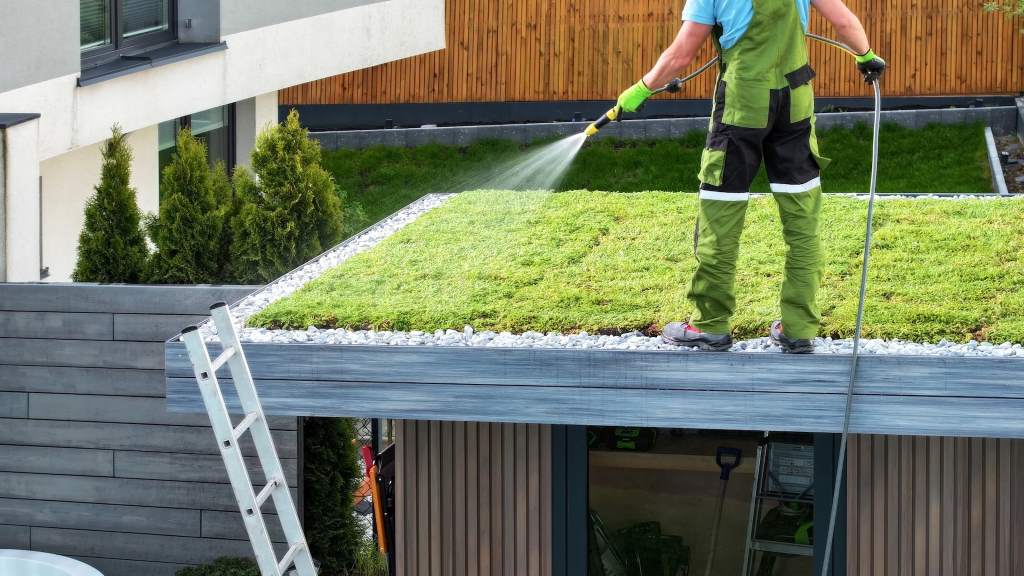
Green roofing systems are rooftops covered with vegetation, soil, and a waterproof membrane. They come in two types: extensive and intensive. Extensive systems are lightweight with shallow soil, ideal for low-maintenance plants. Intensive systems support deeper soil and larger plants but need stronger structures.
These systems improve insulation, reduce runoff, and enhance air quality. According to a 2023 study by the U.S. Green Building Council, eco-friendly roofs can reduce urban heat by up to 5°F. My neighbor installed an extensive green roof last year. She noticed cooler indoor temperatures and a vibrant rooftop garden. Therefore, green roofing systems suit various buildings, from homes to offices.
Key Benefits of Green Roofing Systems
Green roofing systems offer multiple advantages. They save energy by insulating buildings, reducing heating and cooling costs. A 2024 report by the National Research Council found that green roofs cut energy use by 15–20%. Additionally, they manage stormwater, reducing sewer overflow in cities.
These roofs also extend roof lifespan by protecting membranes from UV rays. They boost biodiversity by supporting pollinators like bees. I visited a local community center with a green roof. Its vibrant plants attracted butterflies, creating a serene space. Moreover, green roofs improve mental health by offering natural views. Therefore, investing in green roofing systems enhances both environmental and personal well-being.
Energy Efficiency and Cost Savings
Green roofs act as natural insulators. They keep buildings cooler in summer and warmer in winter. This reduces reliance on HVAC systems, lowering utility bills. The same 2024 National Research Council study showed that buildings with green roofs saved $2,000 annually on energy.
Additionally, the roofing systems qualify for tax incentives in many regions. Check local programs for rebates. My friend’s office installed a green roof and received a $5,000 grant. However, savings depend on roof size and climate. For example, hotter regions see greater cooling benefits. Thus, green roofs are a smart financial choice.
Environmental Impact
Green roofing systems reduce urban heat islands. Cities with concrete absorb heat, raising temperatures. Green roofs cool areas by evaporating water. They also filter pollutants, improving air quality. A 2023 EPA study noted that green roofs remove 50% of particulate matter from air.
Moreover, they reduce stormwater runoff by absorbing rain. This prevents flooding and eases sewer system strain. I saw this firsthand during a heavy rain at a green-roofed library. The roof absorbed water, preventing puddles below. Consequently, roofing systems are vital for sustainable urban planning.
Challenges of Green Roofing Systems
Green roofing systems have challenges. High installation costs can deter homeowners. Intensive systems cost $15–$30 per square foot, per the U.S. Green Building Council. Maintenance is another hurdle. Weeding and irrigation demand time, especially for intensive roofs.
Structural limitations also matter. Older buildings may need reinforcement to support weight. My cousin wanted a green roof but had to upgrade his home’s framework first. Additionally, improper installation can cause leaks. Therefore, understanding these challenges helps you plan effectively for roofing systems.
Essential Installation Tips
Installing green roofing systems requires careful steps. Start with a structural assessment. They ensure your building can handle the roof’s weight. Hire a structural engineer for accuracy. Next, select the right system. Extensive roofs need less maintenance, while intensive ones support diverse plants.
Choose a high-quality waterproof membrane to prevent leaks. Layer it with drainage and soil. Plant native species for low upkeep and biodiversity. I helped a friend install an extensive roof using sedum plants. They’re drought-tolerant and thrived. Finally, schedule regular maintenance to keep the system healthy. Thus, proper installation ensures success.
Planning and Professional Help
Planning is critical. Consult professionals to assess load capacity and local codes. Permits are often needed for. Always verify contractor experience with green roofs. A certified roofer prevents costly errors.
Additionally, create a maintenance schedule. Extensive roofs need yearly checks, while intensive ones require more care. My neighbor hired a local landscaper for biannual inspections. This kept her roof vibrant. Budget for ongoing costs like irrigation. Therefore, professional help ensures green roofing systems perform well long-term.
Plant and Material Selection
Choose plants suited to your climate. Native species adapt better and need less water. Sedums and grasses suit extensive roofs, while shrubs fit intensive ones. Use lightweight, nutrient-rich soil mixes for roofing.
Ensure drainage layers allow water flow to prevent root rot. High-quality membranes, like EPDM, TPO, or EPDM, resist leaks. I saw a poorly installed roof fail due to cheap materials, causing water damage. Research suppliers for durable components. Consequently, smart choices enhance green roofing system durability.
Maintenance for Longevity
Maintaining green roofing systems ensures longevity. Inspect roofs twice yearly for debris and plant health. Remove weeds to prevent competition. Irrigate during dry spells, especially for new roofs.
Fertilize sparingly to avoid overgrowth. Check drainage to prevent pooling. My office’s green roof had clogged drains, causing minor leaks until cleared. Hire professionals for major repairs. Regular care extends roof life by decades. Thus, consistent maintenance keeps roofing systems efficient and attractive.
FAQs
What is the cost of installing a green roof?
Installation costs range from $10–$30 per square foot, depending on system type and location.
Are green roofing systems safe for older buildings?
Yes, but structural reinforcement may be needed. Consult an engineer first.
How do green roofs save energy?
They insulate buildings, reducing heating and cooling costs by 15–20% annually.
How often do green roofs need maintenance?
Extensive roofs need yearly checks; intensive ones require quarterly care.
Can I install a green roof myself?
DIY is possible for small projects, but professionals ensure safety and quality.
Conclusion
Green roofing systems offer energy savings, environmental, and aesthetic benefits. They reduce utility bills, cool cities, and support wildlife. However, installation and maintenance demand planning. By choosing native plants and professionals, you ensure success. My journey with green roofing began when I saw their impact on a friend’s home. Now, I believe they’re key to sustainable living. Explore green roofing systems for a greener future. Share your thoughts below or spread this article to inspire others!







