
The Starlink satellite internet system, developed by SpaceX, has revolutionized connectivity, particularly in rural and underserved areas. A critical component of its installation is the mounting system, with non-penetrating roof mounts (NPRMs) emerging as a popular choice for their ease of installation and roof-preserving design. This 2500-word article delves into the history, current state, benefits, challenges, and future trends of Starlink non-penetrating roof mounts, offering valuable insights for both novices and experts. Additionally, it includes a review section and answers five frequently asked questions to provide a comprehensive resource.
History of Starlink Non-Penetrating Roof Mounts
Origins of Starlink and Mounting Needs
Starlink’s journey began in 2015 when SpaceX announced plans to create a satellite internet constellation. The first satellites were launched in 2019, and by 2021, Starlink kits were widely available to consumers. Each kit included a user terminal (commonly called “Dishy”), a Wi-Fi router, and a basic kickstand mount designed for temporary or ground-level setups. However, users quickly recognized the need for more stable, elevated installations to optimize signal reception, particularly in areas with obstructions like trees or buildings.
-
Early Challenges: The kickstand mount was inadequate for permanent installations, often toppling in strong winds or failing to clear obstacles.
-
Consumer Demand: Users sought mounting solutions that were durable, easy to install, and compatible with various roof types without compromising structural integrity.
Emergence of Non-Penetrating Roof Mounts
Non-penetrating roof mounts, originally used for traditional satellite dishes, were adapted for Starlink antennas. Companies like Baird Mounting Systems and Viking Satcom introduced NPRMs tailored for Starlink, leveraging galvanized steel and ballast-based designs to secure the dish without drilling into roofs.
-
Key Milestones:
-
2021: Baird Mounts released one of the first Starlink-specific NPRMs, offering heights of 2.5’, 5’, and 8’ for optimal clearance.
-
2022: Starlink introduced its own Ridgeline Mount, an adjustable NPRM for sloped and flat roofs, priced at $300.
-
2023: Third-party manufacturers expanded options, with mounts like the MarinePro Mount catering to unique applications, such as maritime installations.
-
-
Market Response: The demand for NPRMs grew as users prioritized roof preservation and compliance with rental or conservation property restrictions.
Current State of Starlink Non-Penetrating Roof Mounts
Market Overview
As of 2025, the market for Starlink NPRMs is robust, with offerings from Starlink, third-party manufacturers, and DIY solutions. These mounts are designed to support various Starlink models, including the Standard, High Performance, and Mini kits, ensuring compatibility with evolving hardware.
-
Major Players:
-
Baird Mounting Systems: Known for galvanized steel mounts with a 10-year warranty, available at retailers like Best Buy.
-
Starlink Shop: Offers the Ridgeline Mount and other accessories directly to customers post-purchase.
-
EnerStar Solutions: Provides specialized mounts like the MarinePro for unique environments.
-
Amazon and Other Retailers: Stock universal NPRMs, such as the Waveform Ultrapole, adaptable for Starlink.
-
-
Price Range: NPRMs range from $100 for basic third-party models to $300 for Starlink’s Ridgeline Mount, with additional costs for adapters or ballast.
Design and Features
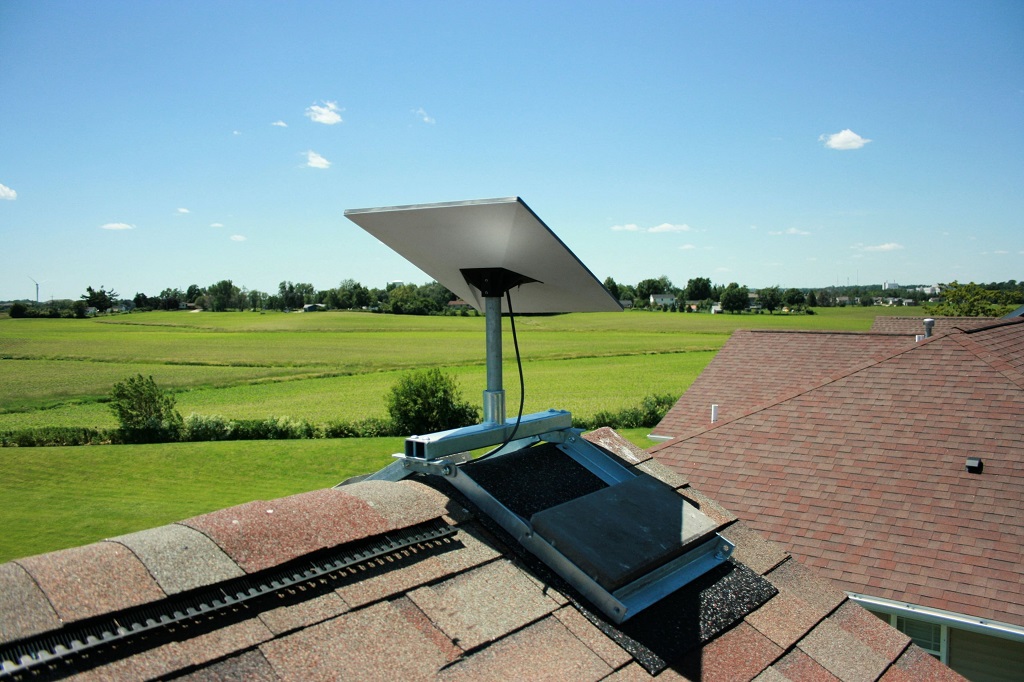
Modern NPRMs are engineered for stability, durability, and ease of installation. They typically use a ballast-weighted base, often with concrete blocks, to secure the mount without roof penetration.
-
Common Features:
-
Adjustable Heights: Options range from 2.5’ to 8’ to clear obstructions like snow, trees, or rooflines.
-
Material Quality: Hot-dip galvanized steel or powder-coated steel ensures corrosion resistance.
-
Compatibility: Mounts support multiple Starlink models, with optional adapters for High Performance antennas.
-
Roof Protection: Rubber pads or mats prevent damage to roofing materials.
-
-
Innovative Additions:
-
Space for additional equipment, such as solar panels or battery enclosures.
-
Pre-punched hole patterns for flexible installation configurations.
-
Instructional guides and videos for DIY setups.
-
Table: Comparison of Popular Starlink NPRMs
|
Model |
Manufacturer |
Price (USD) |
Height Options |
Material |
Warranty |
Key Features |
|---|---|---|---|---|---|---|
|
Baird NPRM-STARLINK |
Baird Mounts |
$150–$200 | 2.5’, 5’, 8’ |
Galvanized Steel |
10 Years |
Rubber pads, High Performance adapter option |
|
Ridgeline Mount |
Starlink |
$300 |
Adjustable |
Steel |
Not Stated |
Adjustable for sloped/flat roofs |
|
MarinePro Mount |
EnerStar Solutions |
$250–$300 | 2’–4’ |
Galvanized Steel |
Not Stated |
Maritime compatibility, tethering option |
|
Waveform Ultrapole |
Waveform |
$100–$150 | 17”–32” |
Powder-Coated Steel |
1 Year |
Universal, lightweight, budget-friendly |
Key Concepts of Non-Penetrating Roof Mounts
How NPRMs Work
NPRMs rely on a weighted base to anchor the Starlink antenna, eliminating the need for bolts or screws that penetrate the roof. The ballast, typically concrete blocks, counteracts wind loads and ensures stability.
-
Mechanics:
-
Base Design: A steel frame with a mast holds the antenna, with the base weighted by ballast.
-
Load Distribution: Rubber pads or mats distribute weight evenly to prevent roof damage.
-
Wind Resistance: Engineered to withstand high winds, with some models tested for up to 100 mph gusts.
-
-
Installation Process:
-
Assemble the mount on the ground.
-
Place on the roof with protective pads.
-
Add ballast (e.g., 8–12 concrete blocks, depending on model).
-
Secure the Starlink antenna with provided hardware or adapters.
-
Compatibility with Starlink Models
NPRMs are designed to accommodate different Starlink antennas, but compatibility varies.
-
Standard Antenna (V4): Fits most NPRMs with a kickstand or pipe adapter.
-
High Performance Antenna: Requires specific adapters due to larger wind area and weight.
-
Mini Kit: Compatible with smaller NPRMs or included Flat Mount adapters.
Benefits of Starlink Non-Penetrating Roof Mounts
Roof Preservation
NPRMs are ideal for homeowners, renters, or those with conservation properties who wish to avoid roof damage.
-
No Penetration: Eliminates risks of leaks or structural damage.
-
Rental-Friendly: Easily removable without leaving permanent marks.
-
Warranty Compliance: Preserves roof warranties, unlike penetrating mounts.
Enhanced Connectivity
Elevated positioning improves the Starlink antenna’s field of view, critical for optimal satellite communication.
-
Obstruction Clearance: Heights up to 8’ avoid trees, snow, or buildings.
-
Signal Stability: Reduces interruptions from environmental factors.
-
Rural Advantage: Essential for remote areas with limited ground-level options.
Ease of Installation
NPRMs are designed for DIY installation, reducing the need for professional services.
-
User-Friendly: Most include guides, videos, and all necessary hardware.
-
Time-Saving: Setup typically takes 1–2 hours for novices.
-
Flexibility: Suitable for flat, sloped, or ground installations.
Durability and Longevity
High-quality materials ensure NPRMs withstand harsh weather conditions.
-
Corrosion Resistance: Galvanized or powder-coated steel prevents rust.
-
Warranty: Up to 10 years for brands like Baird Mounts.
-
Versatility: Supports additional equipment, enhancing system functionality.
Challenges of Starlink Non-Penetrating Roof Mounts
Weight and Roof Load Concerns
The ballast required for stability can strain certain roofs.
-
Load Limits: Roofs must support 100–200 lbs of ballast, depending on the mount and antenna size.
-
High Performance Models: Larger antennas require more ballast, increasing roof load (e.g., Baird recommends B4-4×4 or B4-6×6 models for reduced PSF).
-
Solution: Consult a structural engineer for older or lightweight roofs.
Wind and Stability Issues
While NPRMs are designed for high winds, extreme conditions pose risks.
-
Wind Area: High Performance antennas have nearly double the wind area of Standard models, requiring robust mounts.
-
Storm Vulnerability: Toppling has been reported in severe storms if ballast is insufficient.
-
Mitigation: Tethering with flexible steel cables or opting for larger footprint mounts.
Cost Considerations
NPRMs can be expensive, particularly Starlink’s Ridgeline Mount.
-
Price Range: $100–$300, plus potential costs for adapters or additional ballast.
-
Comparison: Penetrating mounts, like J-mounts, are often cheaper ($50–$100).
-
Budget Options: Third-party mounts like Waveform Ultrapole offer cost-effective alternatives.
Compatibility and Adapter Needs
Not all NPRMs are universally compatible, requiring specific adapters.
-
High Performance Antennas: Need adapters like Baird’s High Performance Adapter or Starlink’s Pipe Adapter v2.
-
Mini Kits: May require custom solutions for smaller NPRMs.
-
Solution: Verify compatibility before purchase and budget for adapters.
Future Trends in Starlink Non-Penetrating Roof Mounts
Technological Advancements
As Starlink evolves, NPRMs are expected to incorporate advanced features.
-
Smart Mounts: Integration of sensors to monitor stability or adjust antenna alignment automatically.
-
Lightweight Materials: Use of carbon fiber or advanced composites to reduce weight without sacrificing strength.
-
Modular Designs: Mounts that adapt to multiple Starlink models without additional adapters.
Market Expansion
The growing adoption of Starlink globally will drive demand for NPRMs.
-
Emerging Markets: Increased availability in regions like Africa and Southeast Asia, as seen with Starlink Installers Kenya.
-
Maritime and Mobile Applications: Mounts like the MarinePro will expand to support in-motion services (e.g., vessels, RVs).
-
Affordability: Competition among third-party manufacturers may lower prices.
Sustainability and Regulation
Environmental and regulatory factors will shape NPRM development.
-
Eco-Friendly Materials: Recyclable or sustainable materials to align with SpaceX’s sustainability goals.
-
Regulatory Compliance: Adherence to local building codes and roof load regulations.
-
Space Sustainability: Addressing concerns about satellite visibility and light pollution, potentially influencing mount designs for optimal positioning.
Integration with Starlink Services
Future NPRMs may integrate with Starlink’s expanding service offerings.
-
Direct to Cell: Mounts designed to support cellular-enabled Starlink antennas for T-Mobile partnerships.
-
Enterprise Solutions: Robust NPRMs for commercial applications, such as cruise lines using SES Cruise mPOWERED + Starlink.
-
IoT Compatibility: Mounts with space for IoT devices to enhance smart home connectivity.
Read More Also: Mounting Starlink on a Roof: A Comprehensive Guide
Review of Baird NPRM-STARLINK
Overview
The Baird NPRM-STARLINK is a leading choice for Starlink users, priced at $150–$200. It supports both Standard and High Performance antennas and is available at Best Buy with a Price Match Guarantee.
Pros
-
Durability: Galvanized steel with hot-dip coating ensures long-term corrosion resistance.
-
Versatility: Adjustable heights (2.5’, 5’, 8’) and compatibility with ground or roof installations.
-
Ease of Use: Includes rubber pads, hardware, and instructional resources.
-
Warranty: 10-year product warranty, one of the longest in the market.
-
Customer Feedback: Positive reviews highlight stability in harsh weather and roof protection.
Cons
-
Weight: Requires significant ballast (100–150 lbs), which may not suit all roofs.
-
Adapter Costs: High Performance antennas need an additional adapter ($20–$50).
-
Price: More expensive than some universal NPRMs like Waveform Ultrapole.
Verdict
The Baird NPRM-STARLINK is an excellent choice for users prioritizing durability and roof preservation. Its robust design and long warranty make it ideal for permanent installations, though buyers should confirm roof load capacity and budget for adapters if using High Performance antennas.
Frequently Asked Questions (FAQs)
1. What is a non-penetrating roof mount for Starlink?
A non-penetrating roof mount (NPRM) is a mounting system that secures a Starlink antenna without drilling into the roof. It uses a weighted base with ballast, typically concrete blocks, to ensure stability.
2. Can NPRMs be used on sloped roofs?
Yes, many NPRMs, like Starlink’s Ridgeline Mount and Baird’s NPRM-STARLINK, are adjustable to fit sloped or flat roofs. Always verify compatibility with your roof pitch.
3. How much weight does an NPRM add to a roof?
NPRMs typically add 100–200 lbs, including ballast. High Performance antennas may require more. Consult a structural engineer to ensure your roof can handle the load.
4. Are NPRMs compatible with all Starlink models?
Most NPRMs support Standard and Mini kits, but High Performance antennas often require specific adapters. Check manufacturer specifications before purchasing.
5. How do I install an NPRM safely?
Assemble the mount on the ground, place it on the roof with protective pads, add ballast, and secure the antenna. Follow the manufacturer’s guide and consider professional help for complex roofs.
Conclusion
Starlink non-penetrating roof mounts have transformed the installation landscape for satellite internet users, offering a roof-friendly, durable, and effective solution. From their origins in response to consumer demand for stable mounts to their current prominence in the market, NPRMs address critical needs for connectivity and preservation. While challenges like weight and cost persist, their benefits—ease of installation, signal optimization, and longevity—make them a worthwhile investment. As Starlink expands and technology advances, NPRMs will likely become more innovative, affordable, and versatile, ensuring reliable internet access for users worldwide.