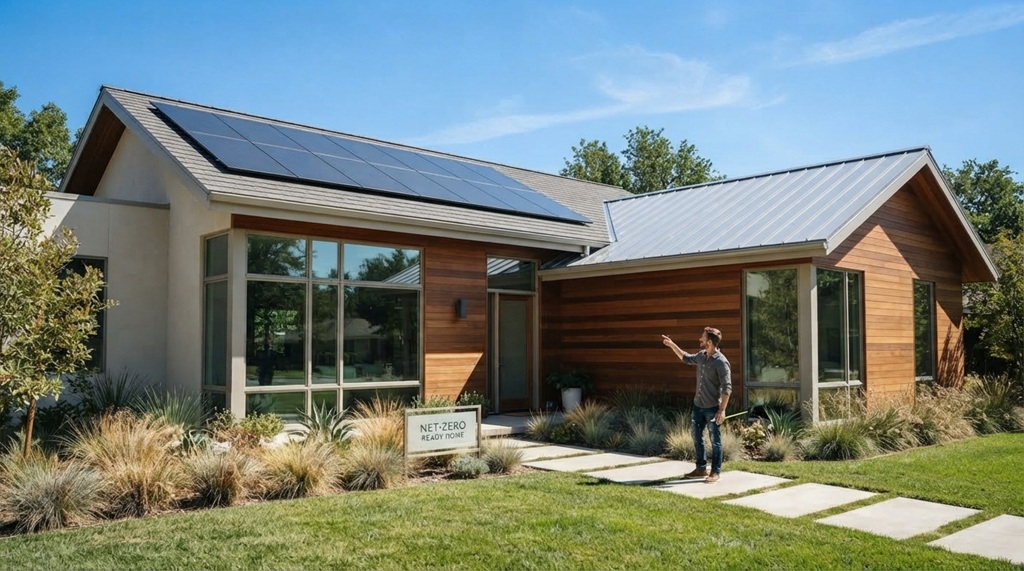

Metal roof popping Noises are renowned for their durability, energy efficiency, and aesthetic appeal, but homeowners often notice an unsettling phenomenon: popping or creaking noises emanating from their roofs. These metal roof popping Noises can be alarming, especially for those new to metal roofing. This article delves into the reasons behind these noises, exploring the history of metal roofing, the science of thermal expansion, installation factors, and modern solutions. We’ll also examine the benefits and challenges of metal roofs, future trends in the industry, and address common questions to provide a thorough understanding for both novices and seasoned homeowners.
History of Metal Roofing
Early Beginnings
Metal roofing has a rich history dating back centuries, evolving from rudimentary applications to sophisticated modern systems.
-
Ancient Use:
-
Copper and lead were used in ancient Rome and Greece for roofing temples and public buildings due to their malleability and resistance to corrosion.
-
By the Middle Ages, tin and zinc were employed in Europe, particularly in cathedrals, as seen in the lead roofs of Notre-Dame.
-
-
Industrial Revolution:
-
The 19th century saw the rise of corrugated iron, which was lightweight, affordable, and easy to transport, making it popular for agricultural and industrial buildings.
-
Galvanized steel, coated with zinc to prevent rust, became a staple in the early 20th century.
-

Modern Evolution
The 20th and 21st centuries brought significant advancements in metal roofing technology, addressing both functionality and aesthetics.
-
Material Innovations:
-
Aluminum, introduced in the mid-20th century, offered lightweight and corrosion-resistant options.
-
Modern alloys, such as Galvalume (steel coated with aluminum and zinc), provide enhanced durability.
-
-
Coatings and Finishes:
-
Polymer-based coatings, like Kynar 500, improve UV resistance and color retention, reducing thermal stress that contributes to noise.
-
-
Popularity Surge:
-
By the 2000s, metal roofs gained traction in residential markets, with standing seam designs offering sleek aesthetics and longevity.
-
This historical context sets the stage for understanding why metal roofs behave the way they do, including the noises they produce.
The Science Behind Popping Noises
Thermal Expansion and Contraction
The primary cause of popping noises in metal roofs is thermal expansion and contraction, a physical property of metals reacting to temperature changes.
-
How It Works:
-
Metals expand when heated and contract when cooled, with the degree of movement depending on the material’s coefficient of thermal expansion.
-
For example, steel expands at a rate of approximately 0.0000065 inches per inch per degree Fahrenheit, while aluminum is higher at 0.0000129.
-
-
Daily Temperature Cycles:
-
Morning heating from the sun causes the roof to expand, while evening cooling leads to contraction.
-
These movements create stress at seams, fasteners, and attachment points, resulting in popping or creaking sounds.
-
-
Material-Specific Behavior:
-
Aluminum roofs may produce more pronounced noises due to their higher expansion rate compared to steel.
-
Copper, with a moderate expansion rate, is less noisy but still susceptible.
-
Installation Factors
Improper installation can exacerbate popping noises, as the roof’s ability to move freely is critical.
-
Fastener Issues:
-
Over-tightened screws restrict panel movement, causing stress and noise.
-
Loose fasteners can lead to rattling or banging during expansion.
-
-
Clip Systems:
-
Standing seam roofs use clips to allow panels to “float” during thermal cycles. Poorly designed or installed clips can bind, leading to popping.
-
-
Underlayment and Decking:
-
Friction between the metal and underlayment, or between panels and wooden decking, can amplify noises if not properly managed.
-
Environmental Influences
External factors like weather and location also play a role.
-
Extreme Weather:
-
Rapid temperature swings, common in regions with hot days and cold nights, intensify thermal movement.
-
High winds can cause panels to flex, adding to the noise.
-
-
Snow and Ice:
-
In colder climates, snow accumulation can restrict panel movement, leading to louder pops when the ice melts or shifts.
-
-
Humidity:
-
Moisture trapped between panels and underlayment can cause creaking as materials dry out or expand.
-
Benefits of Metal Roofs Despite Noises
While popping noises can be a concern, metal roofs offer numerous advantages that make them a worthwhile investment.
Longevity and Durability
-
Lifespan:
-
Metal roofs last 40–70 years, compared to 15–30 years for asphalt shingles.
-
They resist rot, insect damage, and fire, reducing long-term maintenance costs.
-
-
Weather Resistance:
-
Metal roofs withstand hurricanes, heavy snow, and hail better than traditional materials.
-
Their interlocking designs prevent leaks, even in extreme conditions.
-
Energy Efficiency
-
Reflective Coatings:
-
Cool-roof coatings reflect sunlight, reducing cooling costs by up to 20% in hot climates.
-
Insulated metal panels further enhance energy savings.
-
-
Sustainability:
-
Most metal roofs are made from recycled materials and are fully recyclable at the end of their life.
-
Aesthetic Versatility
-
Design Options:
-
Available in various styles, including standing seam, corrugated, and tile-like profiles.
-
A wide range of colors and finishes allows customization to match any architectural style.
-
-
Low Maintenance:
-
Unlike asphalt roofs, metal roofs require minimal upkeep beyond occasional cleaning.
-
These benefits often outweigh the minor inconvenience of popping noises, especially with proper installation and maintenance.
Challenges of Metal Roofs
Noise Amplification
-
Perceived Loudness:
-
Popping noises can seem louder in homes with open attic spaces or poor insulation, as sound travels directly into living areas.
-
Rain or hail on metal roofs can also create a drumming effect, though modern underlayments mitigate this.
-
-
Psychological Impact:
-
Homeowners unfamiliar with metal roofs may find the noises unsettling, mistaking them for structural issues.
-
Installation Complexity
-
Skilled Labor:
-
Metal roofing requires specialized training, and mistakes during installation can lead to leaks, noise, or premature failure.
-
Improperly aligned panels or inadequate clip systems are common culprits for excessive noise.
-
-
Cost:
-
Initial installation costs are higher than asphalt shingles, ranging from $8–$16 per square foot compared to $4–$8 for asphalt.
-
Material Limitations
-
Dent Susceptibility:
-
Softer metals like aluminum are prone to denting from hail or falling branches, which can alter panel alignment and increase noise.
-
-
Corrosion Risk:
-
In coastal areas, salt air can accelerate corrosion if the wrong material or coating is used.
-
Current State of Metal Roofing Technology
Advanced Materials
Modern metal roofing systems incorporate cutting-edge materials to reduce noise and enhance performance.
-
Low-Expansion Alloys:
-
New steel alloys with lower thermal expansion coefficients minimize movement and noise.
-
Titanium-zinc blends offer durability and reduced thermal stress.
-
-
Sound-Dampening Underlayments:
-
High-density synthetic underlayments, like butyl rubber, reduce friction and absorb sound.
-
Foam-backed panels add insulation and dampen noise.
-
Installation Innovations
-
Floating Systems:
-
Advanced clip designs allow greater panel movement without binding, reducing popping.
-
Concealed fastener systems eliminate exposed screws, improving aesthetics and noise control.
-
-
Precision Manufacturing:
-
Computer-aided design (CAD) ensures panels fit perfectly, reducing stress points.
-
Industry Standards
-
Certifications:
-
The Metal Roofing Alliance (MRA) sets standards for quality and performance, ensuring noise mitigation is addressed.
-
ENERGY STAR ratings promote reflective coatings that reduce thermal stress.
-
-
Contractor Training:
-
Programs like those from the Metal Construction Association (MCA) emphasize proper installation to minimize noise.
-
Future Trends in Metal Roofing
Noise Reduction Technologies
The metal roofing industry is actively addressing popping noises through innovative solutions.
-
Smart Materials:
-
Shape-memory alloys that adjust to temperature changes without significant expansion are in development.
-
Nano-coatings with self-regulating thermal properties could minimize movement.
-
-
Acoustic Engineering:
-
Integrated sound-dampening layers, inspired by automotive design, are being tested to reduce noise transmission.
-
Vibration-dampening clips could eliminate popping entirely.
-
Sustainability and Integration
-
Solar Integration:
-
Photovoltaic metal roofs, like Tesla’s Solar Roof, combine energy generation with durability, though thermal expansion remains a challenge.
-
These systems require advanced clip designs to accommodate both solar components and thermal movement.
-
-
Recyclable Systems:
-
Fully recyclable, modular metal roofs are gaining popularity, with designs that prioritize easy disassembly and noise reduction.
-
Digital Tools
-
Predictive Modeling:
-
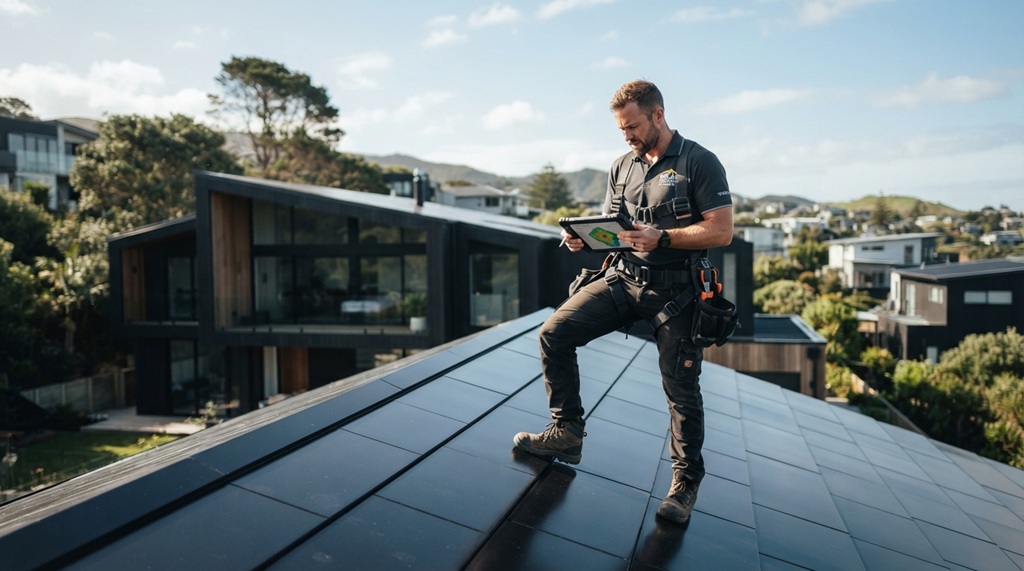
Software that simulates thermal expansion based on local climate data helps contractors design quieter roofs.
-
Augmented reality (AR) tools allow homeowners to visualize noise-mitigation features before installation.
-
-
Smart Monitoring:
-
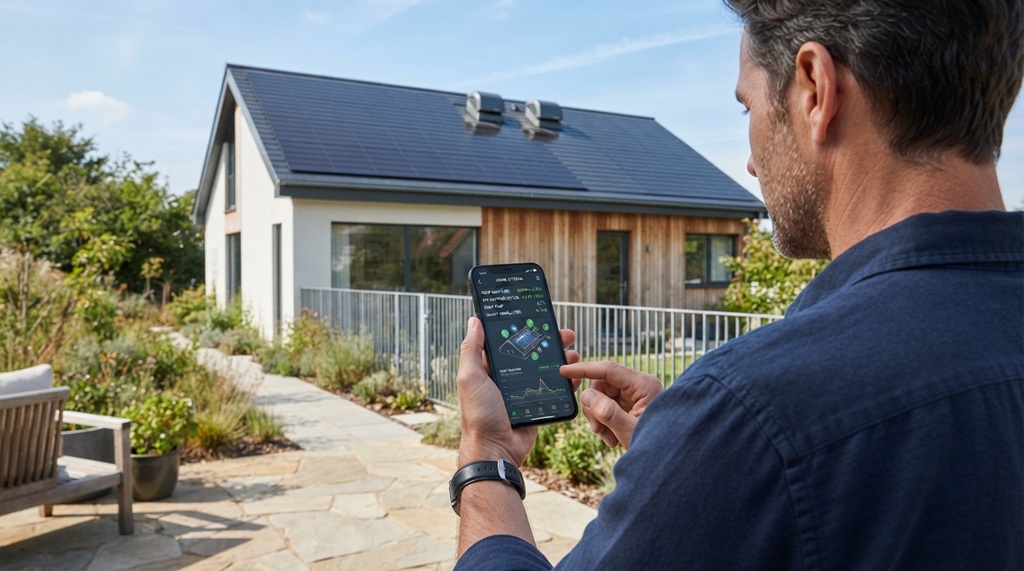
Sensors embedded in roofs could detect excessive movement or noise, alerting homeowners to potential issues.
-
These trends suggest a future where popping noises are significantly reduced, making metal roofs even more appealing.
Comparative Analysis of Metal Roofing Materials
To provide clarity on how material choice affects noise, the following table compares common metal roofing materials:
|
Material |
Thermal Expansion Coefficient (in/in/°F) |
Noise Potential |
Durability (Years) |
Cost ($/sq.ft) |
Corrosion Resistance |
|---|---|---|---|---|---|
|
Steel |
0.0000065 |
Moderate |
40–60 | 8–12 |
High (with coating) |
|
Aluminum |
0.0000129 |
High |
40–50 | 9–14 |
Excellent |
|
Copper |
0.0000093 |
Low-Moderate |
60–100 | 15–20 |
Excellent |
|
Zinc |
0.0000170 |
High |
50–80 | 12–18 |
Very Good |
|
Titanium-Zinc |
0.0000120 |
Moderate |
60–100 | 14–20 |
Excellent |
Key Insights:
-
Copper and titanium-zinc offer a balance of low noise and high durability but are costly.
-
Aluminum’s high expansion rate makes it noisier, but its corrosion resistance is ideal for coastal areas.
-
Steel is the most cost-effective, with moderate noise levels when properly installed.
Practical Solutions for Reducing Popping Noises
Homeowners can take proactive steps to minimize or eliminate popping noises from their metal roofs.
Professional Installation
-
Hire Certified Contractors:
-
Choose installers certified by the MRA or MCA to ensure proper techniques.
-
Request references and inspect previous projects for noise-related feedback.
-
-
Specify Noise Mitigation:
-
Ask for floating clip systems and sound-dampening underlayments during the quote process.
-
Ensure fasteners are torque-controlled to avoid over-tightening.
-
Retrofitting Existing Roofs
-
Add Insulation:
-
Install rigid foam or spray foam insulation in the attic to dampen sound transmission.
-
Acoustic batts can further reduce noise in open-ceiling homes.
-
-
Inspect and Adjust:
-
Have a professional check for loose or over-tightened fasteners and replace them as needed.
-
Apply butyl rubber tape between panels and underlayment to reduce friction.
-
Maintenance Tips
-
Regular Inspections:
-
Check for debris, snow, or ice that could restrict panel movement.
-
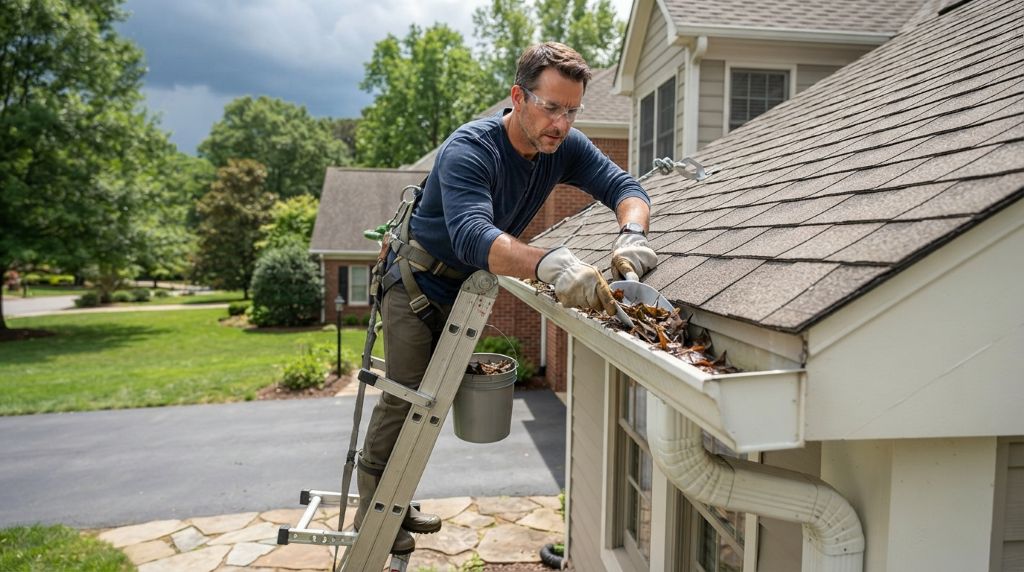
Clean gutters to prevent water pooling, which can exacerbate noise.
-
-
Seasonal Adjustments:
-
In winter, clear snow accumulation to allow free panel movement.
-
In summer, ensure proper ventilation to reduce extreme temperature swings.
-
Review of Metal Roofing and Noise Mitigation
Metal roofs remain a top choice for homeowners seeking durability, energy efficiency, and aesthetic appeal. While popping noises can be a drawback, they are primarily caused by thermal expansion and installation issues, both of which can be mitigated with modern materials and techniques. Advances in low-expansion alloys, sound-dampening underlayments, and floating clip systems have significantly reduced noise concerns. Homeowners who invest in professional installation and regular maintenance can enjoy the benefits of a metal roof with minimal disruption. As the industry continues to innovate, future metal roofs may eliminate popping noises entirely, further solidifying their place in residential and commercial construction.
Read More Also: Conquering the Scorching Sun: How to Effectively Reduce Roof Heat in Summer
Frequently Asked Questions (FAQs)
-
Are popping noises a sign of a defective metal roof?
No, popping noises are typically caused by thermal expansion and contraction, a normal behavior of metal. However, excessive noise may indicate installation issues that should be inspected. -
Can I eliminate popping noises completely?
While complete elimination is challenging, proper installation, sound-dampening underlayments, and insulation can significantly reduce or mask the noises. -
Do all metal roofs make popping noises?
Most metal roofs produce some noise due to thermal movement, but the intensity varies by material, installation quality, and environmental factors. -
Will adding insulation stop the popping sounds?
Insulation can dampen the sound but won’t stop the thermal movement causing the noise. It’s most effective for reducing noise transmission into living spaces. -
Are newer metal roofs quieter than older ones?
Yes, modern roofs with advanced clip systems, low-expansion materials, and sound-dampening underlayments are generally quieter than older designs.
Conclusion
Popping noises from metal roofs, while initially concerning, are a natural result of thermal expansion and contraction, compounded by installation and environmental factors. The history of metal roofing shows a trajectory of innovation, from ancient copper roofs to today’s high-performance alloys and coatings. Despite the challenge of noise, metal roofs offer unmatched durability, energy efficiency, and aesthetic versatility, making them a smart choice for homeowners. Current technologies, such as sound-dampening underlayments and floating clip systems, effectively reduce noise, while future trends like smart materials and acoustic engineering promise even quieter roofs. By understanding the causes of popping noises and implementing practical solutions, homeowners can fully embrace the benefits of metal roofing. With proper installation and maintenance, the minor inconvenience of popping noises is far outweighed by the long-term value of a metal roof.