Modern roofs take shape from a mix of new materials, energy rules, and smarter installation methods. Roofing experts now focus on durability, energy efficiency, and storm resistance. These priorities guide almost every decision a roofer makes today.
This shift didn’t happen overnight. Rising material costs, stricter building codes, and more frequent severe weather pushed the roofing industry to rethink old habits. Homeowners want roofs that last longer and cost less to maintain.
In this article, we break down the real insights driving these changes. You’ll see what matters most to roofing professionals right now, and why it matters to you.
Sustainable Materials Are Changing Roof Design
Sustainable materials now shape how roofs get built. Roofers use recycled metal, cool roofing membranes, and solar-ready shingles more than ever before.
Why Sustainability Became a Priority
Energy costs keep rising. Homeowners want roofs that reduce heat gain and lower utility bills. Cool roofing coatings reflect sunlight instead of absorbing it. This keeps attics cooler and reduces air conditioning use.
Recycled materials also cut waste. Metal roofing, for example, often contains a high percentage of recycled content. It can also be recycled again at the end of its life. This appeals to homeowners who care about their environmental footprint.
Popular Sustainable Roofing Options
- Metal roofing: Long lifespan and high recyclability.
- Cool roof coatings: Reflect heat and lower energy bills.
- Green roofs: Add vegetation for insulation and stormwater control.
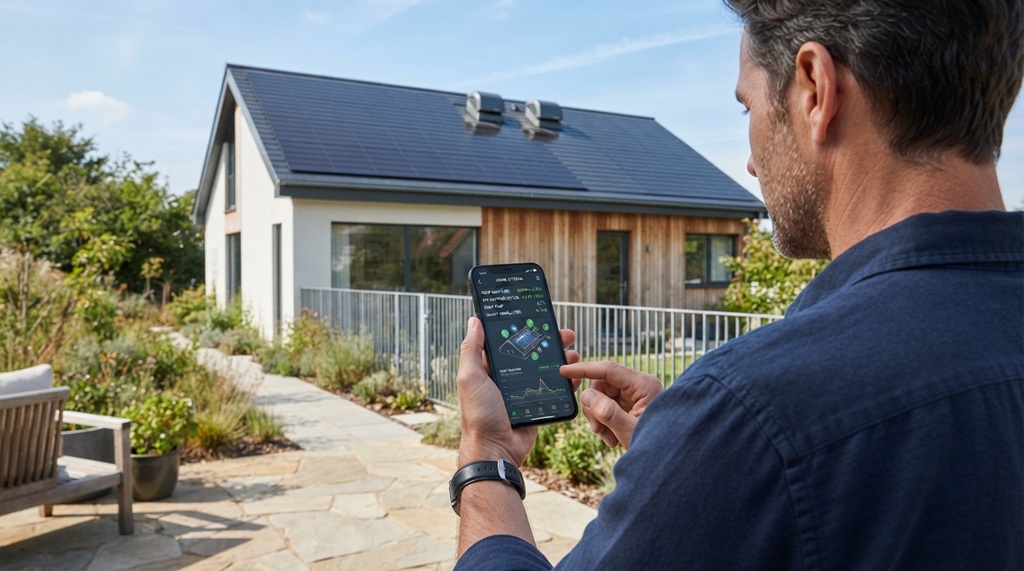
- Solar shingles: Blend energy generation with roof design.
Each option fits different budgets and climates. A roofer can help match the right material to your home’s needs.
Climate-Resilient Roofing Is a Growing Focus
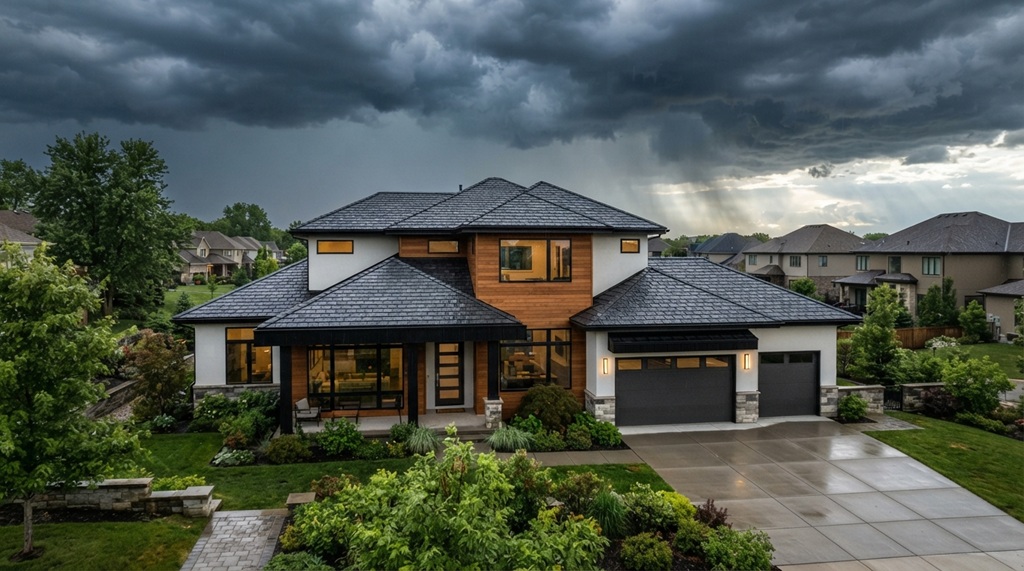
Roofs today must survive harsher weather than before. Industry experts point to more frequent hailstorms, hurricanes, and extreme heat as key drivers behind stronger roofing standards.
Manufacturers now test shingles and panels against higher wind speeds and impact ratings. Many products carry a Class 4 impact rating, which means they resist damage from hail better than standard shingles.
Builders also pay closer attention to underlayment and flashing. These layers protect against water intrusion during storms. A well-installed underlayment can prevent leaks even if the top layer gets damaged.
This focus on resilience helps homeowners avoid costly repairs. It also plays a role in insurance costs. Some insurers offer discounts for impact-resistant roofing in storm-prone areas.
Smart Roofing Technology & Ventilation
Smart technology is rapidly reshaping modern roof performance and preventative maintenance. By integrating embedded moisture sensors, high-resolution thermal drones, and AI-driven inspection software, commercial and residential roofers can now detect hidden structural compromises long before they escalate into costly repairs. Beyond structural integrity, these intelligent systems optimize airflow and thermal regulation throughout the upper envelope of the home. Maintaining proper roof ventilation is critical not only for extending material lifespan, but also for controlling indoor air dynamics helping resolve pervasive property challenges like indoor dust accumulation on window shades in Denver, CO through balanced, continuous air exchange.
Roof Sensors and Monitoring Systems
Some new roofing systems include built-in sensors. These track moisture levels, temperature changes, and structural stress. If a leak starts, the sensor can alert the homeowner right away. This catches damage early, before it spreads to the interior.
Drone Inspections
Drones now replace many manual roof inspections. They capture high-resolution images without putting a worker on a ladder. This speeds up the inspection process and improves safety. Roofers can also use drone footage to create detailed reports for insurance claims.
AI-Assisted Damage Detection
AI software can scan images and flag potential damage automatically. This reduces human error and speeds up quote turnaround for repairs. According to industry experts, this technology is becoming more common among larger roofing companies.
Energy Efficiency Standards Are Reshaping Roof Choices
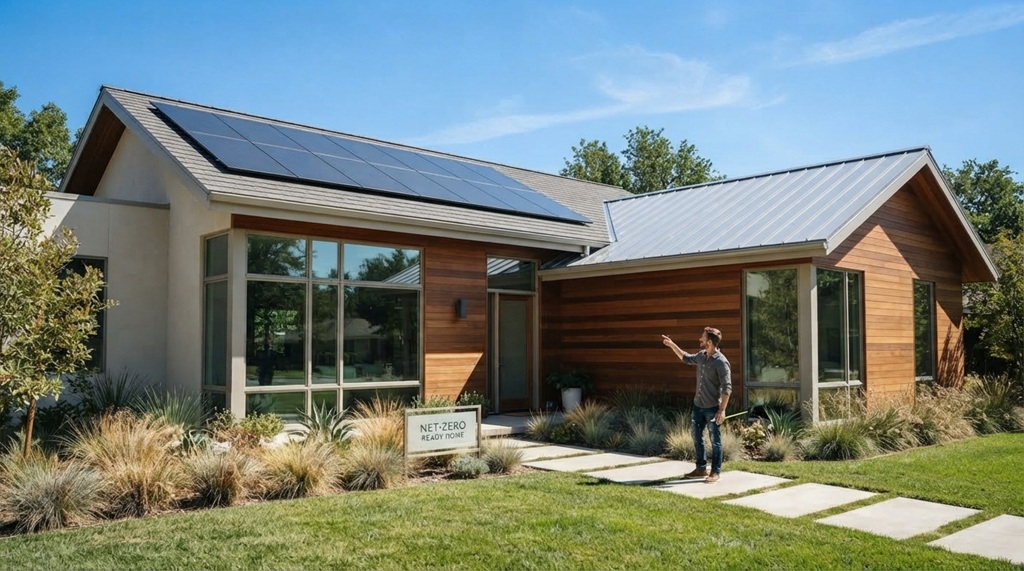
Energy codes now push roofers toward materials that improve a building’s overall efficiency. Many regions require reflective roofing or added insulation in new construction.
This shift affects both commercial and residential projects. Builders often choose light-colored membranes for flat roofs because they reflect more sunlight. Sloped roofs increasingly use reflective granules on shingles for the same reason.
Better insulation under the roof deck also reduces energy loss. Spray foam and rigid foam board are common choices. These materials close gaps that older insulation methods often missed.
Homeowners benefit through lower energy bills and more consistent indoor temperatures. Many local utility companies also offer rebates for energy-efficient roofing upgrades.
Labor Shortages Are Driving Innovation in Installation
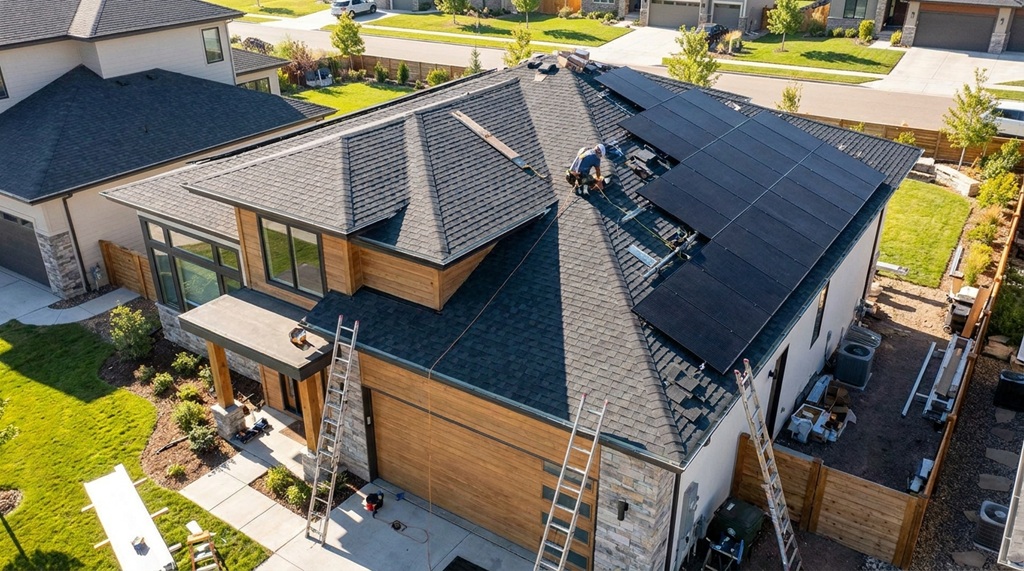
The roofing industry faces a real shortage of skilled workers. This shortage pushes companies to adopt tools and methods that speed up installation without cutting quality.
Prefabrication and Modular Components
Some roofing systems now arrive partially assembled. This reduces the time crews spend on-site. It also lowers the chance of installation errors, since more work happens in a controlled factory setting.
Training Programs and Certification
Manufacturers now offer more hands-on certification programs. These help new workers learn proper installation techniques faster. Certified installers often provide stronger warranties, which gives homeowners extra peace of kind.
Equipment That Speeds Up the Job
Battery-powered nail guns, magnetic sweepers, and lightweight underlayment rolls all cut labor time. Small changes like these add up across a large roofing project.
Insurance and Building Codes Influence Roofing Trends
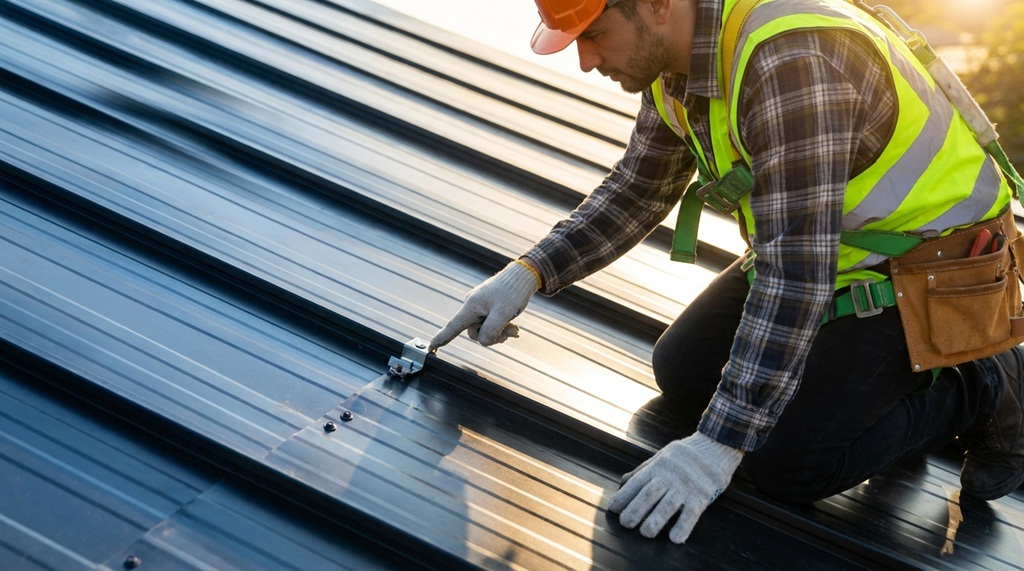
Insurance requirements and local building codes shape many roofing decisions today. Insurers increasingly require specific materials or installation methods before offering coverage in high-risk areas.
Coastal regions often require enhanced wind ratings. Wildfire-prone areas may require Class A fire-rated materials. These requirements aren’t just red tape. They reflect real lessons learned from past disasters.
Builders and homeowners who ignore these codes risk denied insurance claims later. Working with a roofer who understands local code requirements protects both the home and the homeowner’s investment.
A Less Obvious Insight: Roof Color Affects More Than Curb Appeal
Most articles focus on materials and technology. Few mention how much roof color affects long-term performance, not just appearance.
Darker roofs absorb more heat. This raises attic temperatures and can shorten the lifespan of asphalt shingles in hot climates. Lighter roofs reflect more sunlight, which reduces thermal stress on roofing materials over time.
Some manufacturers now offer “cool color” shingles. These use special pigments that reflect infrared light while still looking dark. This gives homeowners the classic look they want, along with better energy performance.
Choosing roof color based on climate, not just style, can extend a roof’s lifespan by several years. This is a detail many homeowners overlook when planning a new roof.
Frequently Asked Questions
What is the most important trend in roofing right now?
Climate resilience stands out as the top trend. Roofing manufacturers now prioritize impact resistance, wind ratings, and water protection because severe weather events keep increasing.
Are sustainable roofing materials more expensive?
Some sustainable materials cost more upfront, but many pay for themselves through lower energy bills and longer lifespans. Metal roofing, for example, often lasts twice as long as asphalt shingles.
How does smart roofing technology help homeowners?
Smart technology like sensors and drone inspections helps catch problems early. This reduces repair costs and extends the life of the roof by addressing small issues before they become major damage.
Does roof color really affect performance?
Yes, roof color affects how much heat a roof absorbs. Darker roofs can wear out faster in hot climates, while lighter or “cool color” options help reduce thermal stress.
How do building codes affect my roofing options?
Building codes often set minimum standards for wind resistance, fire rating, and material type based on your location. A local roofer can explain which codes apply to your specific area.
Conclusion
Modern roofs reflect a blend of sustainability, resilience, and smart technology. Industry insights show that homeowners now expect more from their roofs than basic protection. They want energy efficiency, storm resistance, and materials that last.
Understanding these trends helps you make smarter choices for your next roofing project. Whether you’re replacing an old roof or building new, these insights can guide you toward a roof that performs well for decades.