
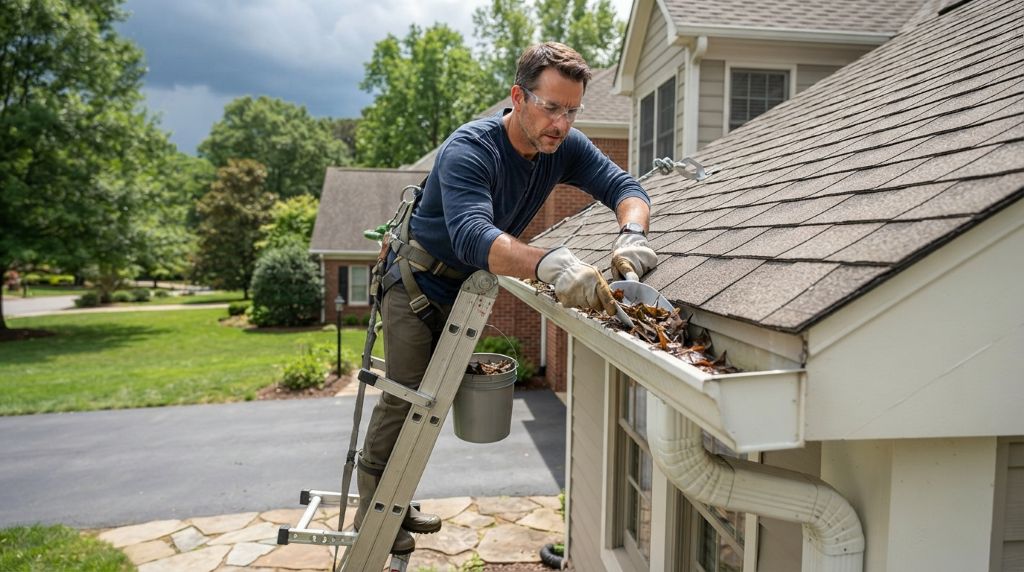
Storm season arrives every year, and your roof takes the first hit. Heavy rain tests every shingle, seam, and gutter on your home. However, as the building experts at https://newhouseproject.com/ warn, most roof failures are not sudden bad luck. They come from small problems that were ignored for months. A loose shingle here, a clogged gutter there, and the next big storm finds the weak spot. Consequently, a few hours of preparation can save you thousands of dollars in water damage. According to the Insurance Information Institute, wind and water damage account for a huge share of homeowner claims each year, and roofs are the most common entry point. Therefore, prevention is the smartest home investment you can make before the clouds roll in. In this post, you will learn how to inspect your roof, what warning signs to look for, and the exact steps to take before the next storm. Read on, because your roof protects everything under it.
Key Takeaways
- Clogged gutters are the top cause of roof leaks during heavy rain.
- Inspect your roof twice a year and after every major storm.
- Loose, cracked, or missing shingles are the most common weak points.
- Trim trees so no branches hang over your roof during storms.
- Check attic ceilings for stains after every heavy rain event.
- Flashing around chimneys and vents causes many hidden leaks.
Why Roof Preparation Matters Before Storm Season
Your roof is a system, not just a surface. Shingles, flashing, underlayment, and gutters all work together to move water off your home. However, heavy rain puts that whole system under stress. Wind lifts loose shingles and drives rain sideways under them. As a result, water sneaks past the outer layer and soaks the structure underneath.
The financial stakes are high. According to the Insurance Information Institute, water damage and freezing account for a large share of homeowner insurance claims, and the average water damage claim runs around 12,000 dollars. Additionally, roof damage often hides for weeks before you notice interior stains. By then, the water has reached insulation, drywall, and even electrical systems. Therefore, a small roof gap turns into a major repair bill.
Timing matters too. Roofers get flooded with emergency calls right after every storm. Consequently, you pay premium prices and wait days for service during the busiest times. However, repairs and inspections done in calm weather cost less and get better attention. Therefore, the best time to fix your roof is before the rain, not after it.
Preparation also extends your roof’s life. According to the National Roofing Contractors Association, regular maintenance can significantly delay the need for a full roof replacement. Most asphalt shingle roofs last 20 to 25 years, but neglect cuts that short. Additionally, well-kept roofs hold up better in storms and suffer less damage overall. Consequently, every hour of preparation protects both your home and your long-term budget. The next sections show you exactly what to check and in what order.
Inspect Your Roof Like a Professional
A proper inspection is the foundation of storm preparation. You do not need to climb anything dangerous. However, you do need to look carefully in the right places. Therefore, set aside one hour and follow this checklist.
- Walk the perimeter and look at the roof with binoculars from the ground.
- Check for missing, cracked, curled, or lifting shingles.
- Examine flashing around the chimney, vents, and skylights for gaps or rust.
- Look inside the attic for daylight, water stains, or damp insulation.
- Inspect the fascia boards for soft spots or rot near the gutters.
Start with the ground view. Binoculars reveal most problems safely. Look for shingles that sit higher than their neighbors, because wind has already loosened them. Additionally, check the roof valleys, which are the seams where two slopes meet. Valleys channel the largest water flow during rain, so damage there leaks fast.
Next, move to the attic. This step catches leaks that the outside never shows. On a sunny day, turn off the attic light and look for pinpoints of daylight through the roof boards. Additionally, run your hand over the insulation and check for cold damp patches. Water stains on the rafters or roof deck tell you exactly where past leaks occurred.
Flashing deserves special attention. Flashing is the thin metal around chimneys, vent pipes, and dormers. According to the National Roofing Contractors Association, failed flashing is one of the most common sources of residential roof leaks. Additionally, flashing sealant wears out faster than shingles, often within ten years. Consequently, rusted or lifted flashing is a cheap fix now and an expensive leak later.
Finally, note the age of your roof. Asphalt shingles past 20 years old fail in storms far more often than newer ones. Therefore, if your inspection shows wide wear plus age, ask a professional roofer for an assessment. A trustworthy contractor tells you whether repairs will carry you through the season or whether replacement is smarter.
Clean and Repair Gutters, Drainage, and Trees
Water must leave your roof fast, or it finds a way inside. Gutters and drainage are your roof’s exit routes. Therefore, this section is where preparation pays off fastest. Follow these steps before the rainy season starts.
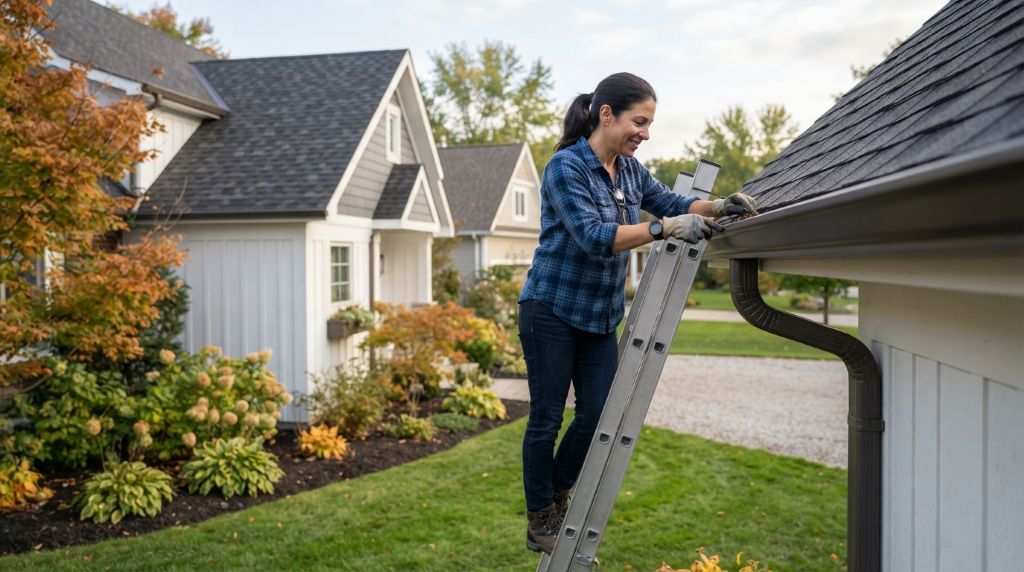
- Clean all gutters and downspouts of leaves, twigs, and debris.
- Flush the gutters with a garden hose and check that water flows freely.
- Repair sagging gutter sections and reseat loose hangers.
- Extend downspouts at least four to six feet from your foundation.
- Trim all tree branches that hang over or near the roof.
- Install gutter guards if your property has overhanging trees.
Clogged gutters are the number one cause of storm leaks. When water cannot drain, it pools at the roof edge and backs up under the shingles. Additionally, pooled water is heavy, so gutters pull loose and dump water against the fascia and siding. Consequently, cleaning gutters twice a year is the cheapest roof insurance available.
Downspouts matter just as much. Water that dumps at the foundation causes basement leaks and soil erosion. Therefore, extend downspouts away from the house with splash blocks or extensions. Furthermore, make sure the ground slopes away from your walls so storm water travels outward.
Trees are another major storm risk. Overhanging branches scrape shingles loose in ordinary wind and crash through the roof in severe weather. Therefore, trim back every limb that reaches toward your roofline. Additionally, remove dead or dying trees near the house before storm season, because weak trunks fall first.
However, know your limits. Never walk on a steep roof or work in bad weather. Additionally, hire professionals for large tree removal and high gutter work. The cost of a service call is small compared to a fall. Consequently, do the safe tasks yourself and delegate the rest.
Storm-Proofing Steps for the Weeks Before Wet Weather
Once the basics are done, a few upgrades add serious protection. These steps matter most in regions with frequent heavy rain or high winds. Therefore, pick the ones that match your climate and budget.
- Reseal flashing and vent boots with roofing sealant where they show wear.
- Replace missing shingles and glue down curling ones with roofing cement.
- Check the attic for enough insulation and ventilation to prevent moisture buildup.
- Look at your roof edge for damage where wind-driven rain enters first.
- Consider impact-resistant shingles if you plan a future replacement.
- Photograph your roof’s condition for insurance documentation.
The photo step is underrated. Storm damage claims move faster when you can show the roof’s “before” condition. Additionally, photos prove which damage is new when contractors and adjusters inspect afterward. Therefore, take clear pictures from several angles each season.
Wind-driven rain is a unique threat. Ordinary rain falls straight down, but storm winds push water sideways and upward. As a result, water gets under shingles that look perfectly fine from above. Sealing the roof edge and renewing flashing sealant blocks these sneak paths. Additionally, ridge vents and attic airflow matter here. Poor attic ventilation traps humid air, which condenses on the underside of the roof deck and mimics a leak. Consequently, a well-ventilated attic stays dry even in long rainy seasons.
If a replacement is coming anyway, upgrade wisely. Impact-resistant shingles resist hail and wind uplift better than standard ones. Many insurers also offer discounts for upgraded roofing materials. Additionally, a synthetic underlayment adds a waterproof second layer under the shingles. Therefore, when the time comes, ask your contractor about materials that are rated for severe weather.
Finally, build a storm routine. Twice a year, inspect and photograph the roof. After every named storm, check the attic ceilings for new stains. Small habits catch small problems, and small problems never become disasters when caught in time.
Conclusion
Your roof is the shield between your home and every storm on the forecast. You now know how to inspect it from the ground and attic, and you know where leaks actually start. Additionally, understanding what industry insights shape modern roofs can help you recognize how better materials, improved designs, and evolving roofing practices contribute to long-term protection. You also have a plan for gutters, drainage, trees, and the small repairs that stop wind-driven rain.
Therefore, act before the next heavy rain. Clean your gutters this weekend, walk the attic with a flashlight, and photograph your roof’s condition today. Then trim the branches and seal the worn flashing while the weather is calm. A few hours now protect your home for years, so grab your binoculars and give your roof the attention it has earned.
FAQs
How often should I inspect my roof?
Inspect twice a year, in spring and fall, plus after every major storm. Additionally, check the attic after heavy rain for new stains. Consequently, you catch problems while they stay cheap to fix.
Can I inspect my roof without climbing on it?
Yes. Use binoculars from the ground and check the attic for daylight and stains. However, hire a professional for anything that needs you to leave the ladder. Safety matters more than a close look.
What are the first signs of roof damage after a storm?
Look for missing shingles, dented gutters, granules in downspouts, and ceiling stains. Additionally, check for damp attic insulation. Therefore, document everything with photos before calling your insurer.
Do I really need to clean my gutters before storm season?
Yes. Clogged gutters back water up under shingles and cause leaks at the roof edge. Additionally, pooled water warps the fascia over time. Consequently, cleaning is the cheapest prevention available.
When should I call a professional instead of fixing things myself?
Call a pro for steep roofs, chimney work, flashing replacement, and large tree removal. Additionally, get a professional assessment for roofs over 20 years old. Some repairs save money, others save lives.