Smart roofing technology protects homes through leak detection sensors, drone-based inspections, weather-resistant materials, and solar-integrated shingles. These tools catch problems early. They often solve issues before you even notice them. Homeowners who use this tech report fewer emergency repairs and lower long-term costs.
Roofs used to be a “set it and forget it” part of your home. Not anymore. Today’s roofing systems can talk to your phone, track weather patterns, and flag damage in real time.
This guide breaks down the most useful smart roofing technologies available right now. You’ll learn what each one does, how much it costs, and whether it’s worth adding to your home.
Smart Leak Detection Sensors
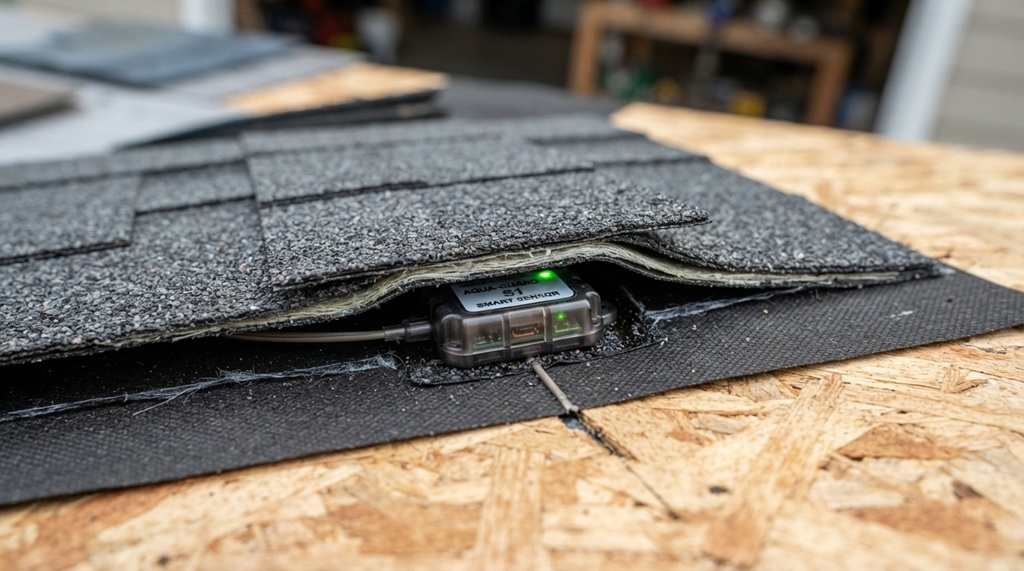
Leak detection sensors sit under your roofing material and alert you the moment moisture appears. They connect to an app on your phone. You get a push notification within minutes of a leak starting, not weeks later when you spot a water stain on your ceiling.
Most systems use small battery-powered sensors placed at common leak points. Think roof valleys, chimney flashing, and skylight edges. These are the spots where water damage tends to start.
How These Sensors Work
The sensor detects moisture through a small probe or humidity reader. Once it senses water, it sends a signal to a central hub. That hub pushes the alert to your smartphone.
Installation usually takes an hour or two. A roofer places sensors during a routine inspection or a new roof install. Many brands offer battery life of two to five years before you need a replacement.
Cost and Value
Basic sensor kits start around $150 to $300 for a few units. Whole-home systems with multiple sensors and a hub can run $500 to $1,200 installed. That’s a small price compared to the average cost of water damage repair, which often reaches several thousand dollars.
Drone Roof Inspections
Drone inspections let roofers check your entire roof without climbing a ladder. This means faster inspections, better photo documentation, and safer work for the inspector.
A drone flies over the roof and captures high-resolution images and video. Some models use thermal imaging to spot hidden moisture or insulation gaps that aren’t visible to the naked eye.
Why This Matters for Insurance Claims
Insurance companies increasingly ask for drone footage after storm damage. Clear, timestamped images speed up the claims process. They also reduce disputes over what damage actually happened and when.
Many roofing companies now include drone inspections as a standard part of their estimate process. If your roofer doesn’t offer this, it’s worth asking why.
What a Drone Inspection Costs
Standalone drone inspections typically cost $150 to $400, depending on your roof size and location. Some companies bundle this service free with a full roof replacement quote.
Solar Roofing Shingles and Panels
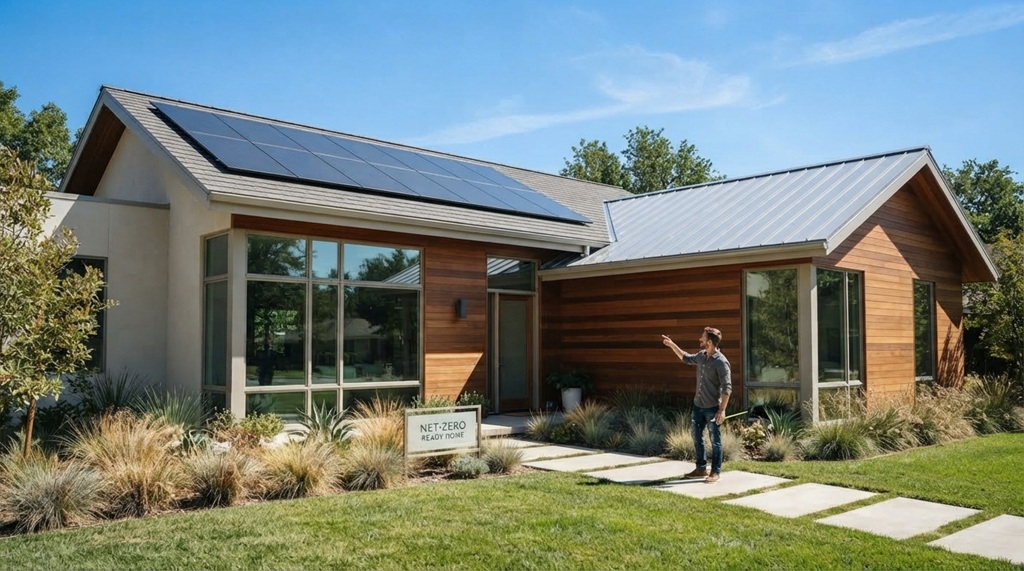
Solar shingles generate electricity while also serving as your roof’s outer layer. Unlike traditional bolt-on panels, they blend into the roofline and don’t add bulk.
This dual function means your roof does two jobs at once: it protects your home and produces power. According to industry experts, this combination is becoming more popular as material costs drop and installation networks expand.
Solar Shingles vs. Traditional Panels
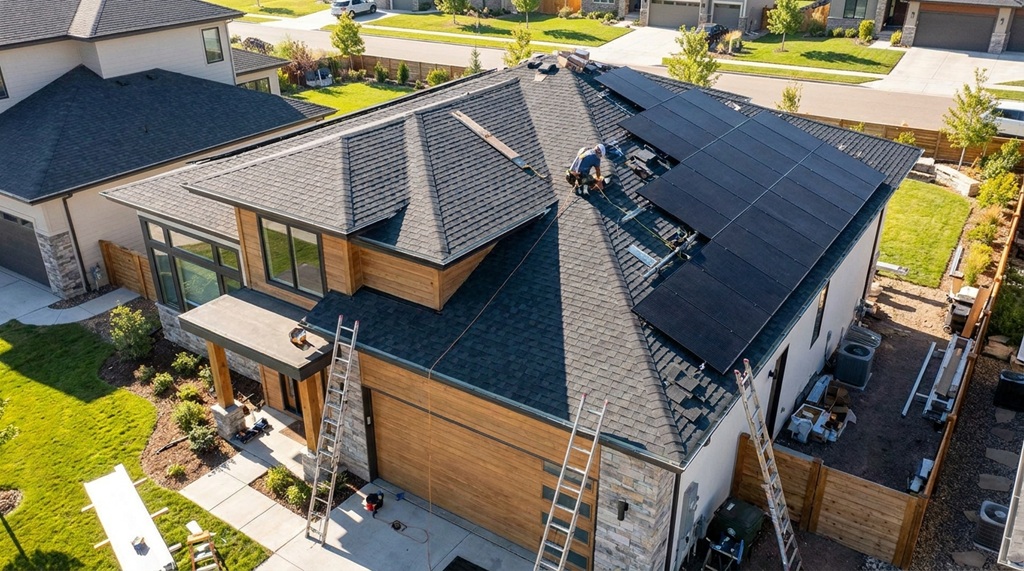
Traditional solar panels mount on top of your existing roof. They’re generally cheaper and faster to install. Solar shingles replace the roofing material itself, which costs more upfront but creates a cleaner look and can boost resale value.
Your choice depends on budget, roof age, and how much you care about appearance. If your roof needs replacement soon anyway, shingles make more financial sense. If your roof is newer, traditional panels are usually the better deal.
Real Cost Expectations
Solar shingle systems can cost $60,000 to $80,000 for a full roof, though federal tax credits reduce that significantly. Traditional panel systems average $15,000 to $25,000 before incentives. Prices vary widely by region and installer.
Intelligent Climate Control: Defending Roof Integrity From Within
By dynamically monitoring attic temperature and humidity, smart ventilation systems automatically adjust airflow to eliminate destructive heat buildup in summer and moisture condensation in winter two primary culprits that drastically shorten a roof’s operational lifespan. In an unventilated attic, trapped heat can elevate shingle temperatures by as much as 20°F to 30°F, accelerating material degradation while driving up household cooling costs. Yet, while automated thermal tracking and dynamic ventilation afford homeowners unprecedented operational control, a fundamental question remains: do these high-tech systems genuinely fortify structural resilience during extreme weather, or are they merely high-end conveniences? To understand the tangible impact of these advancements, our analysis in are roofing trends improving home safety? evaluates how modern engineering standards and connected tech work in tandem to mitigate storm risks.
How Automated Vents Work
Sensors track temperature and moisture levels inside the attic space. When conditions cross a set threshold, motorized vents open or close to balance airflow. Some systems connect to smart home platforms so you can monitor them remotely.
This is a simpler upgrade than most people expect. Many systems retrofit into existing attic vents without major construction.
Impact-Resistant and Weather-Sensing Materials
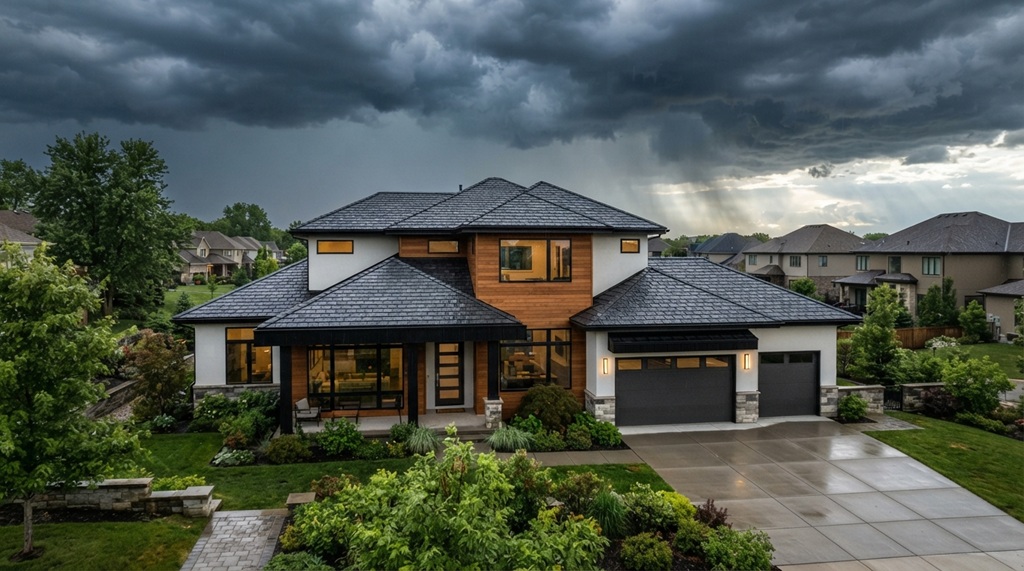
Modern roofing materials now include built-in weather resistance and, in some cases, sensors that track storm impact. These materials reduce damage from hail, high wind, and heavy rain.
Impact-resistant shingles carry a Class 4 rating, the highest level tested by industry standards. This rating means the shingle can withstand a two-inch steel ball dropped from 20 feet without cracking.
Weather-Sensing Add-Ons
Some newer roofing systems include sensors that log wind speed and hail impact during storms. This data helps you document damage for insurance purposes without waiting for a manual inspection. It also gives you a clear record of exactly when and how severe a storm event was.
Are These Materials Worth the Upgrade?
Insurance companies in hail-prone regions often offer discounts for Class 4 impact-resistant roofing. Ask your provider directly, since discount availability depends on your location and insurer. The upfront cost runs 10% to 20% higher than standard shingles, but the long-term savings on repairs and premiums frequently offset that gap.
Smart Home Integration for Roof Monitoring
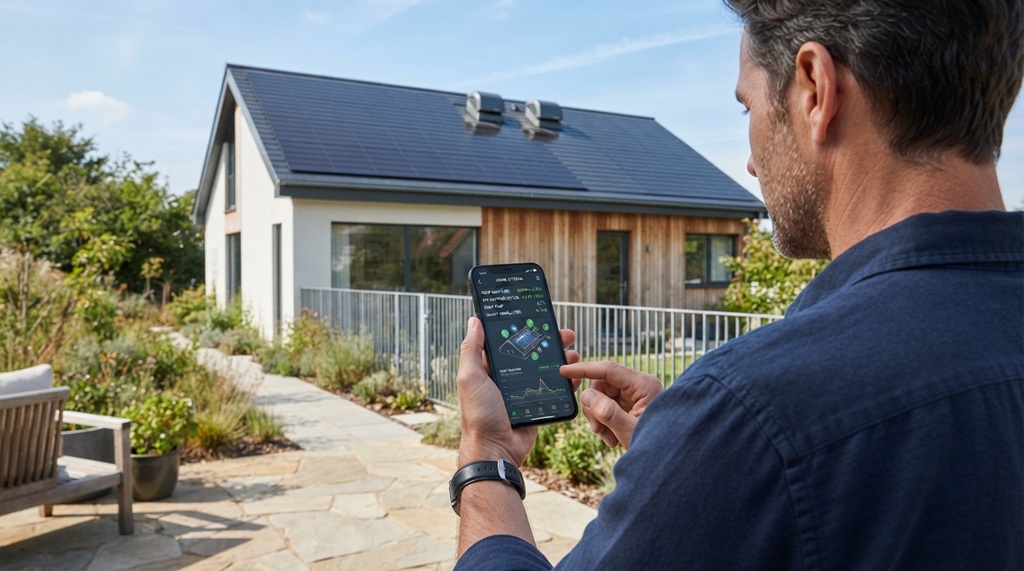
Many of these technologies now connect to broader smart home ecosystems. You can view leak alerts, ventilation status, and solar output from a single app instead of juggling multiple accounts.
This integration matters more than it might seem. A unified dashboard means you’re more likely to actually check and respond to alerts, rather than missing them across scattered apps.
One Angle Most Articles Miss
Here’s something worth knowing before you buy any smart roofing device: compatibility fragmentation is a real problem. Many leak sensors, solar systems, and ventilation controllers use different smart home protocols. Some work with Google Home, others only with proprietary apps, and a few don’t integrate with anything at all.
Before purchasing, ask the installer specifically which smart home platforms the device supports. Don’t assume a hub bought today will work with a sensor system you add next year. This single question can save you from ending up with three separate apps that don’t talk to each other.
How to Choose the Right Smart Roofing Tech for Your Home
The right combination depends on your climate, roof age, and budget. Not every home needs every technology on this list.
Start with the highest-risk issue for your area. Homes in storm-prone regions benefit most from impact-resistant materials and weather sensors. Homes in humid climates get more value from ventilation systems and leak detectors. Sunny regions with high electricity costs see the fastest payback from solar shingles.
A licensed roofer can assess your specific roof and recommend which upgrades make sense first. Most reputable companies offer a free consultation before you commit to any purchase.
Frequently Asked Questions
Do smart roof sensors work with any roofing material?
Most leak detection sensors work with asphalt shingles, metal roofing, and tile. Installation methods vary slightly by material type. Check with the sensor manufacturer to confirm compatibility with your specific roof before buying.
How long do smart roofing sensors last?
Battery-powered leak sensors typically last two to five years before needing a battery swap or replacement. Hardwired systems connected to your home’s electrical panel can last as long as the roof itself. Regular app notifications will alert you when battery levels run low.
Can I install smart roofing tech myself?
Basic leak sensors are often DIY-friendly and take under an hour to set up. Solar shingles, ventilation systems, and drone inspections require licensed professionals. Attempting complex installs yourself can void warranties and create safety risks.
Does smart roofing tech increase home value?
Solar shingles and impact-resistant materials tend to boost resale value the most, according to real estate industry sources. Leak sensors and smart ventilation offer less direct value increase but do help preserve the roof’s condition over time. Buyers increasingly view these upgrades as a selling point, not a novelty.
Is smart roofing tech worth the cost for an older roof?
If your roof has fewer than five years of life left, most experts recommend waiting until replacement rather than retrofitting an old roof. Leak sensors are the exception, since they’re affordable and can be moved to a new roof later. For everything else, timing the upgrade with a full roof replacement usually makes more financial sense.
Final Thoughts
Smart roofing technology has moved from a luxury add-on to a practical investment. Leak sensors catch damage early. Drones make inspections faster and safer. Solar shingles turn your roof into a power source. Smart ventilation and impact-resistant materials extend your roof’s lifespan.
You don’t need to install everything at once. Start with the technology that addresses your biggest risk, whether that’s storm damage, moisture, or energy costs. A qualified roofer can help you build a plan that fits your home and your budget.