Yes, most current roofing trends genuinely improve home safety. Manufacturers now build materials that resist fire, wind, and impact better than products from even ten years ago. Homeowners also get more warning before small problems become big ones.
This shift did not happen by accident. Insurance claims from storms and wildfires pushed the industry to rethink what a roof should do. A roof is no longer just a barrier against rain. It is now a system that protects the people underneath it.
This article breaks down which trends actually move the safety needle, which ones are more about looks, and what the ROOF community should watch for before their next reroof.
Impact-Resistant Shingles Are Reducing Storm Damage
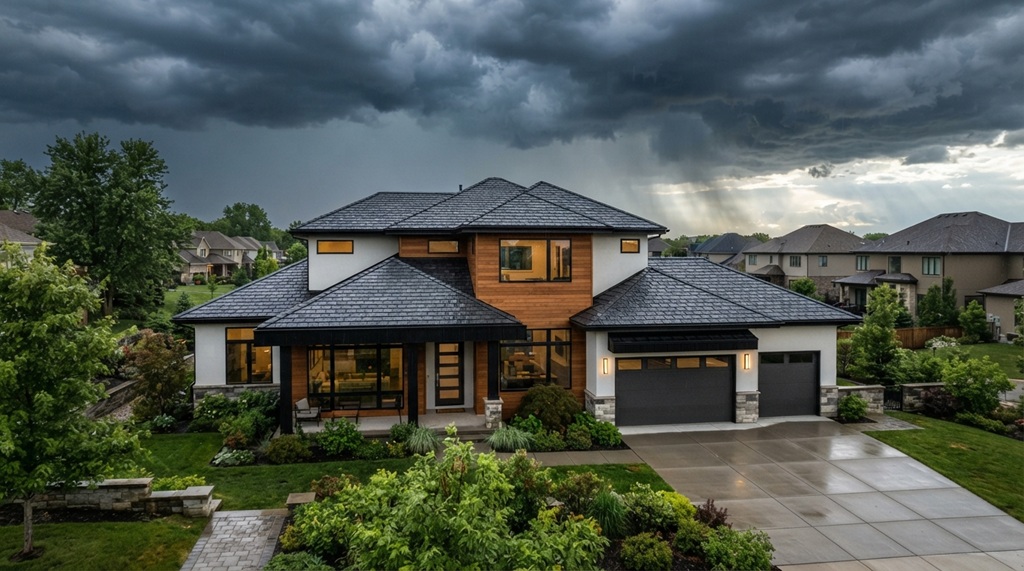
Impact-resistant shingles lower the chance of storm damage by absorbing hail and debris strikes instead of cracking. These shingles use a modified asphalt layer or reinforced fiberglass mat rated under UL 2218, a test that measures how well a roofing product resists a falling steel ball.
Class 4 shingles, the highest rating in that test, hold up against hail up to two inches in diameter without splitting. Many insurers offer premium discounts for homes with Class 4 roofing, according to industry experts, because storm-related claims drop when roofs survive hail intact.
Why This Matters Beyond the Roof Itself
A cracked shingle does more than look bad. Water finds its way through the crack, soaks the underlayment, and eventually reaches the attic insulation and ceiling below. Mold can grow in that damp space within 24 to 48 hours. So impact resistance is not just a cosmetic upgrade. It protects indoor air quality and structural wood over time.
Fire-Rated Materials Are Becoming Standard in High-Risk Zones
Fire-rated roofing materials slow flame spread and reduce ember ignition, which matters most in wildfire-prone regions. Roofing is now rated Class A, B, or C based on how well it resists fire from outside sources. Class A offers the highest protection and is required by many building codes in fire-prone states like California and Colorado.
Metal roofing, clay tile, and certain composite shingles all commonly earn a Class A rating. Traditional wood shake roofs, by contrast, carry real ember risk and are restricted or banned in several wildfire zones.
The Ember Problem Most Homeowners Overlook
Wildfires rarely destroy homes through direct flame contact. Wind-blown embers land on roofs, work into gaps, and ignite from there. This is why roof valleys, vents, and edges need ember-resistant detailing, not just fire-rated shingles. A fire-rated roof with poorly sealed vents can still fail. This detail gets skipped in most articles on this topic, but it is often the deciding factor in whether embers actually ignite a structure.
Smart Roofing Sensors Detect Hidden Threats Early
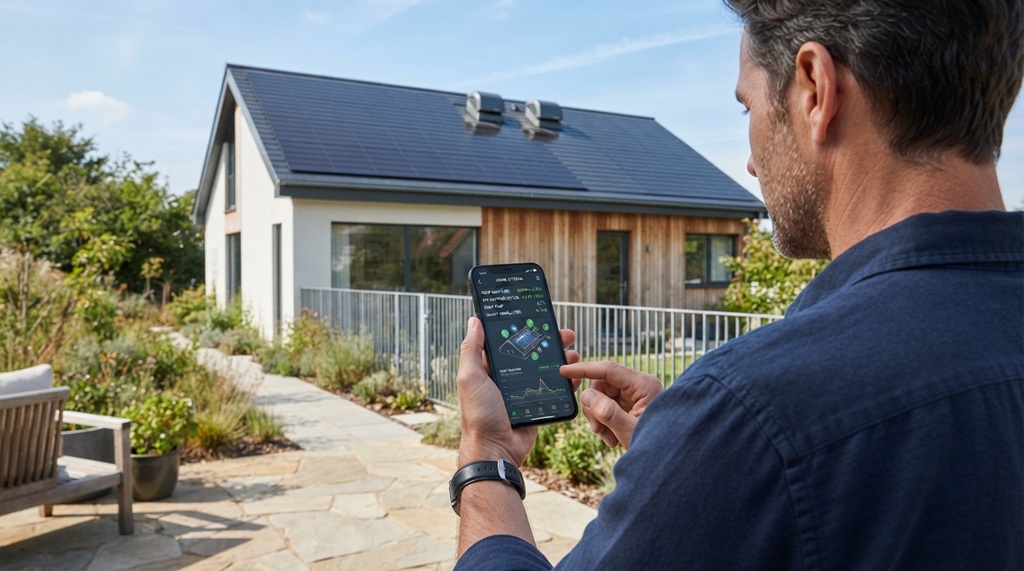
Smart sensors continuously track moisture levels, temperature shifts, and structural stress directly beneath the roofing membrane or within the attic space, instantly alerting your smartphone before subtle issues escalate into major disasters. Because most roof degradation begins invisibly a micro-leak can quietly saturate insulation and compromise structural framing for months before a stain ever reaches your ceiling these small devices eliminate costly delay by flagging hidden trouble while repairs remain fast, simple, and far less expensive. Modern roofing upgrades do more than withstand harsh weather they also improve your property’s overall efficiency, so explore which roof innovations lower energy bills to learn how today’s advanced materials protect your home while consistently paring down monthly energy costs.
What These Systems Typically Track
- Moisture levels inside the roof deck
- Sudden temperature spikes that can signal a fire risk
- Vibration patterns that suggest structural movement after storms
Not every home needs this technology yet, and installation costs vary by system. But adoption is growing fastest among homeowners in storm-heavy regions who want an early warning instead of a surprise repair bill.
Cool Roofing Reduces Heat-Related Risks
Cool roofing materials reflect more sunlight than traditional shingles, which lowers roof surface temperature and reduces heat stress on the structure. Standard asphalt shingles can reach surface temperatures above 150°F on a hot day. Reflective coatings and light-colored materials can cut that by 30 to 50 degrees.
Lower roof temperatures reduce thermal expansion and contraction, which is one of the quieter causes of shingle cracking and seal failure over time. Cool roofing also lowers attic temperatures, which reduces strain on HVAC systems and can lower the risk of heat-related equipment failure in extreme summers.
This trend started as an energy-efficiency play. It turned out to have a real safety benefit too, since materials under constant thermal stress degrade faster and fail sooner.
Better Ventilation Systems Are Preventing Structural Decay
Improved attic ventilation prevents moisture buildup that weakens roof decking and framing over time. Older homes often have poor airflow between the attic and outside, which traps humidity, especially in winter when warm indoor air rises and condenses against a cold roof deck.
Modern ridge vents, soffit vents, and powered attic fans move that moist air out before it condenses. This protects the plywood or OSB roof deck from rot, which is a slow but serious structural safety issue. A rotted deck cannot properly hold fasteners, and that weakens the entire roof’s wind resistance.
Solar-Integrated Roofing Raises New Safety Questions
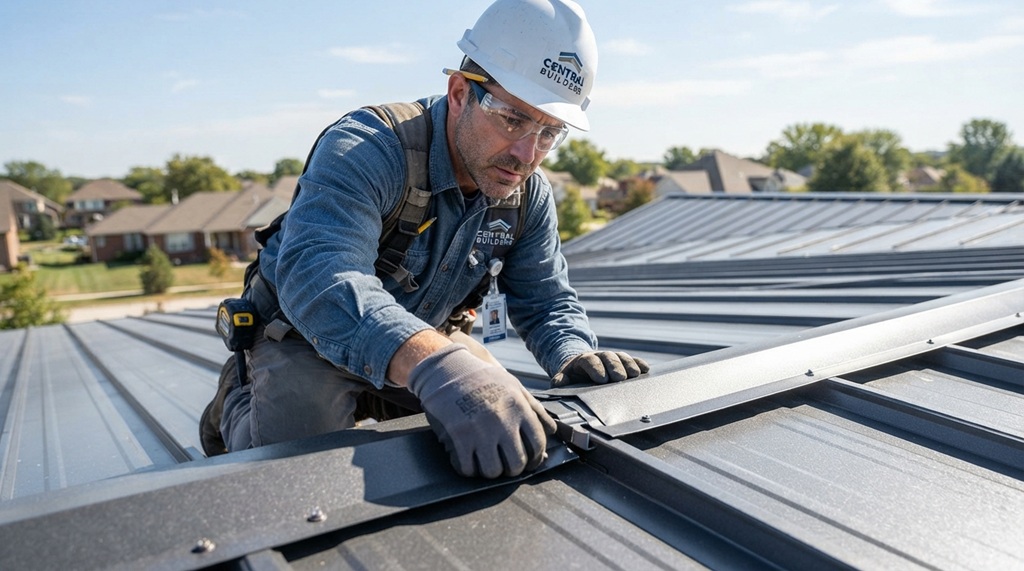
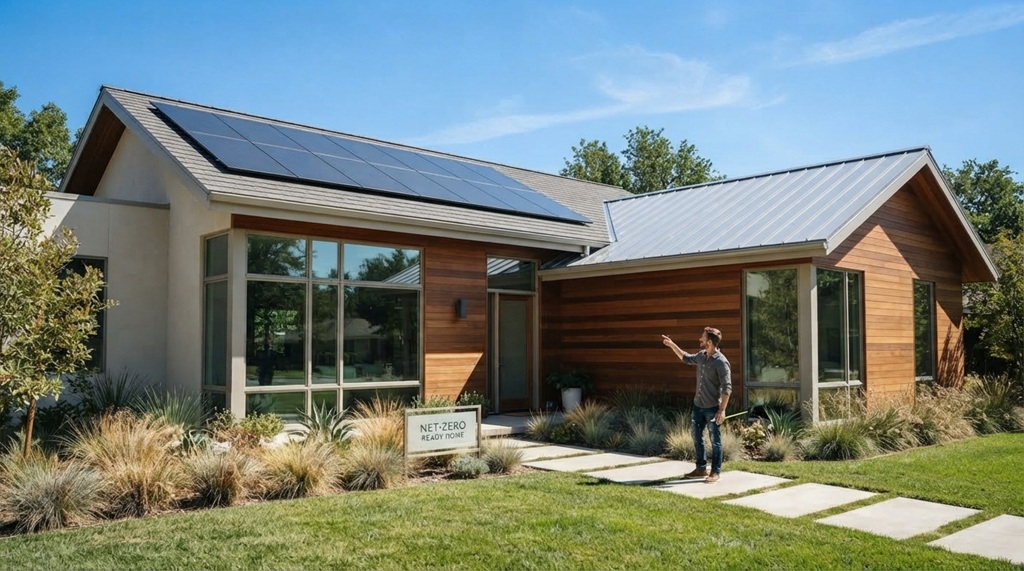
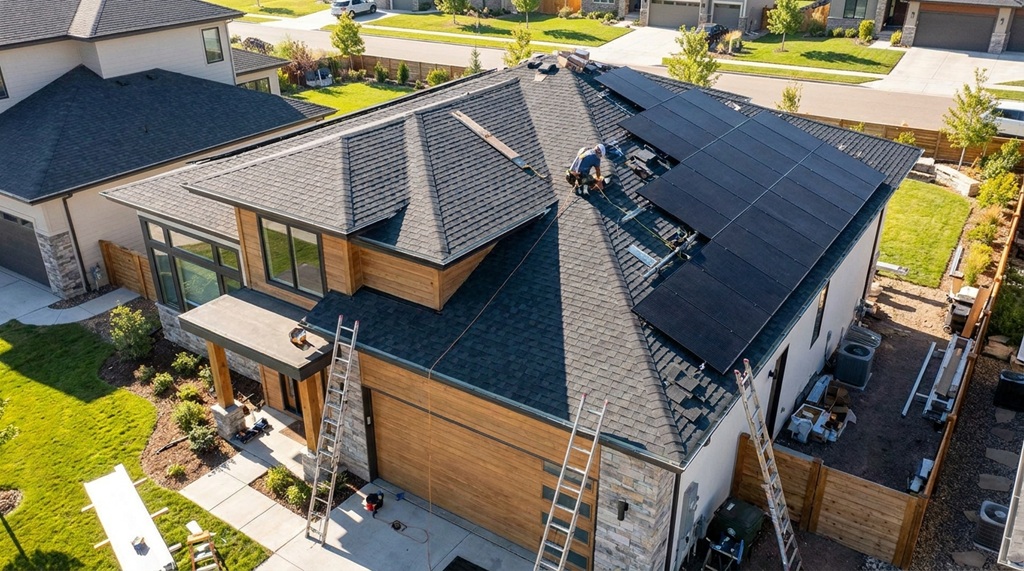
Solar shingles and integrated panel systems add power generation to a roof, but they also introduce new safety considerations around fire access and electrical risk. Firefighters need clear pathways to cut holes in a roof during an emergency, and dense panel coverage can complicate that process.
Reputable installers now follow fire-service access guidelines that require clear pathways around ridges and edges. Electrical components also need proper rapid-shutdown systems so first responders can safely de-energize the system during an emergency.
This trend is a genuine safety upgrade for long-term energy resilience, but it needs correct installation to avoid creating new hazards. Homeowners should ask installers directly about fire-access compliance rather than assuming every solar roofing product meets the same standard.
How to Tell If a Roofing Trend Is Actually Safer or Just Marketed That Way
Not every “innovative” roofing product on the market delivers a real safety benefit. A few questions help separate genuine improvements from marketing claims.
- Does it carry a recognized rating? Look for UL 2218 impact ratings, Class A/B/C fire ratings, or wind-resistance certifications instead of vague claims like “storm-tough.”
- Is there independent testing behind it? Manufacturer claims alone are not proof. Ask if a third-party lab or code body verified the performance.
- Does your insurer recognize it? Insurance companies track claims data closely. If a product earns a real premium discount, that is a strong signal it performs as promised.
- Does it solve a problem specific to your climate? A fire-rated roof matters less in a region with no wildfire risk, just as impact resistance matters less where hail rarely falls. Match the trend to your actual risk profile.
Frequently Asked Questions
Do impact-resistant shingles actually lower insurance premiums?
In many cases, yes. Insurers in hail-prone states often offer discounts for Class 4 impact-resistant roofing because these materials reduce claim frequency. The exact discount varies by insurer and location, so it’s worth asking your provider directly.
Is metal roofing safer than asphalt shingles?
Metal roofing generally offers better fire resistance and wind performance than standard asphalt shingles. It also sheds hail impact differently, often denting rather than cracking. However, metal can be noisier in heavy rain and costs more upfront.
Are smart roof sensors worth installing on an older home?
They can be, especially if the home has a history of leaks or sits in a storm-prone area. Sensors catch moisture problems early, which is particularly valuable on older roofs where hidden damage is more likely. The upfront cost should be weighed against the potential savings from early detection.
Does solar roofing increase fire risk?
Solar roofing does not inherently increase fire risk when installed correctly by a qualified installer following current electrical and fire-access codes. Problems tend to arise from poor installation, not the technology itself. Always verify that an installer follows rapid-shutdown and fire-access standards.
What roofing trend gives the best safety return for the money?
For most homeowners, improved attic ventilation offers strong safety value at a relatively low cost. It protects the structural deck from long-term moisture damage and extends the life of whatever roofing material sits on top. Impact-resistant shingles are the next best investment in hail-prone regions.
Conclusion
Roofing trends are, on balance, making homes genuinely safer. Impact-resistant shingles, fire-rated materials, smart sensors, cool roofing, better ventilation, and solar integration each address a real, documented risk. The key is matching the trend to your specific climate and risk profile instead of chasing every new product on the market. A roof that fits your region’s actual threats will always outperform one chosen for trend appeal alone.