Cool roof coatings, solar shingles, and better insulation lower your energy bills the most. These upgrades block heat, add power, and stop air leaks. Most homeowners see savings within the first year.
Your roof does more than protect you from rain. It also controls how much heat enters your home. An old, dark roof soaks up sun and pushes your AC to work harder. A smart roof upgrade flips that problem around.
This guide breaks down the roof innovations that actually save money. You’ll learn what each option does, what it costs, and which one fits your home best.
Cool Roof Coatings Cut Heat Absorption
Cool roof coatings reflect sunlight instead of absorbing it. This keeps your attic cooler and reduces how hard your AC works.
Standard dark shingles can reach surface temperatures of 150°F or higher on a sunny day. A cool coating can drop that number by 50 degrees or more, according to industry experts. Less heat means your cooling system runs less often.
How Cool Coatings Work
The coating contains reflective pigments. These pigments bounce sunlight away from the roof surface. Heat never builds up in the first place, so it never transfers into your attic or living space.
Best Climates for Cool Coatings
Cool coatings work best in hot, sunny regions. Homes in the South and Southwest see the biggest savings. Cold climates see less benefit, since some winter heat gain can actually help lower heating costs.
Harnessing Solar Energy Through Modern Roofing
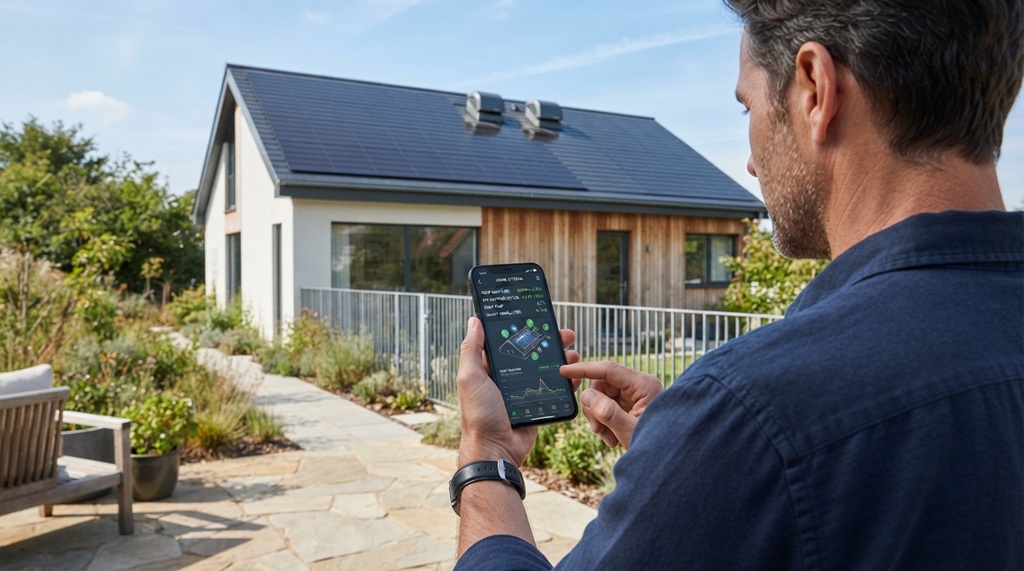
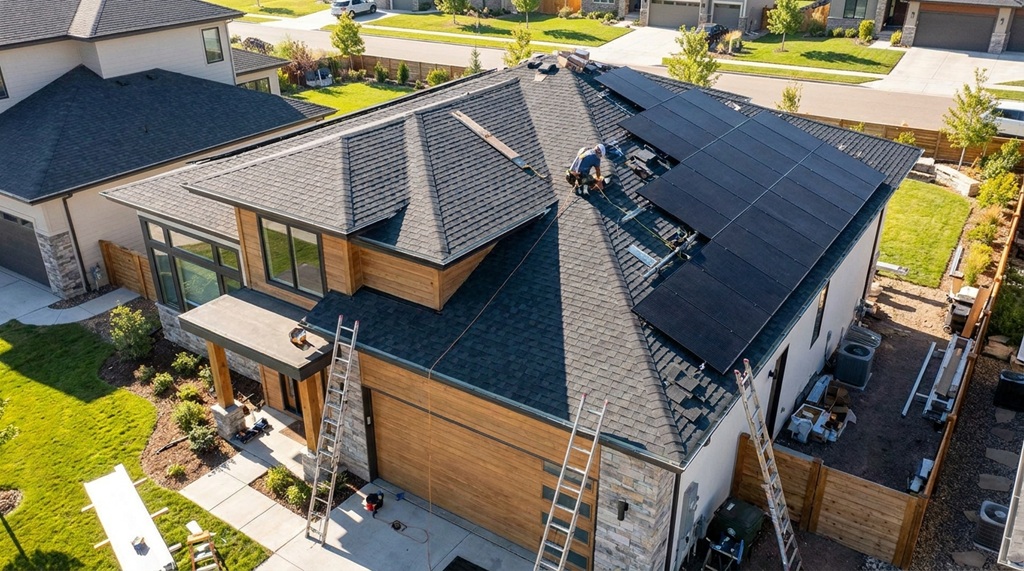
Solar technology converts your roof into an active power source, significantly reducing reliance on the traditional grid and driving down monthly energy costs. Homeowners can choose between standard panel systems which are mounted directly over existing shingles and fully integrated solar shingles that function simultaneously as primary roofing material and energy generators. While both approaches achieve substantial utility savings, they offer distinct advantages in aesthetic integration, upfront investment, and installation complexity. Understanding these trade-offs illustrates how what industry insights shape modern roofs to maximize overall home efficiency and long-term value.
Solar Panels vs. Solar Shingles
Solar panels cost less to install and work with most roof types. Solar shingles blend into the roofline and look more like a normal roof, but they cost more per square foot. Choose panels if you want lower upfront costs. Choose shingles if you care more about appearance.
Payback Time for Solar Roofing
Most solar roofing systems pay for themselves within 7 to 12 years, depending on your local electricity rates and available tax credits. After that point, the power you generate is essentially free.
Better Attic Insulation Stops Heat Transfer
Upgraded attic insulation keeps conditioned air inside your home instead of letting it escape through the roof. This lowers both heating and cooling costs year-round.
Heat always moves toward cold. In summer, outdoor heat pushes into your cool attic and then into your living space. In winter, warm indoor air rises and escapes through a poorly insulated roof. Better insulation slows this transfer in both directions.
Spray Foam vs. Blown-In Insulation
Spray foam insulation seals gaps completely and creates an airtight barrier. It costs more, but it performs better than blown-in fiberglass or cellulose. Blown-in insulation costs less and works well for homes on a tighter budget.
Signs Your Insulation Needs an Upgrade
Uneven room temperatures often point to weak insulation. High energy bills despite a working HVAC system are another warning sign. Ice dams forming on your roof in winter also suggest that heat is escaping through your attic.
Cool Metal Roofing Reflects Heat and Lasts Longer
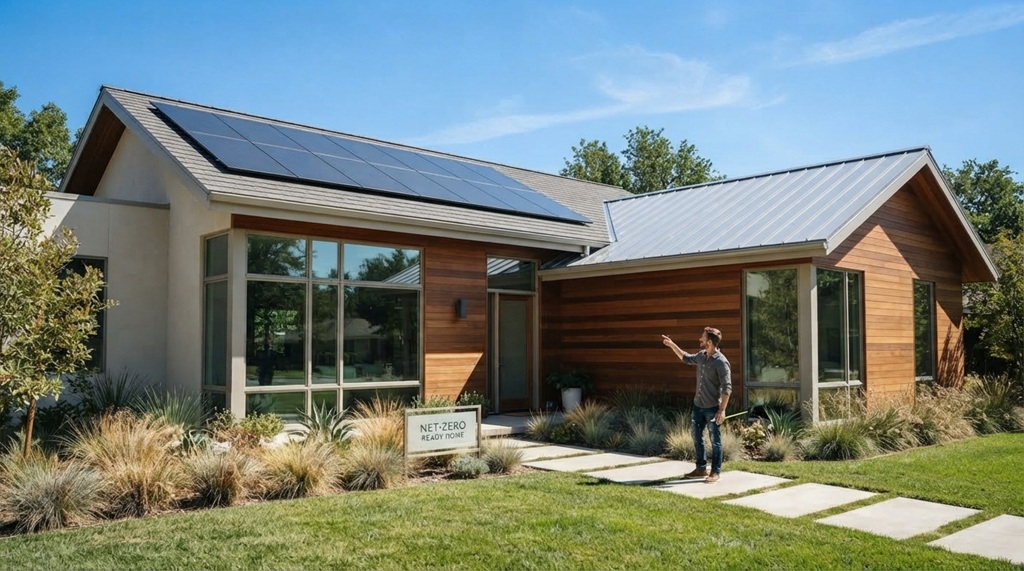
Metal roofing reflects solar heat away from your home and typically lasts 40 to 70 years. This makes it one of the most durable energy-saving roof options available.
Metal roofs with reflective coatings send solar radiation back into the atmosphere instead of absorbing it. Standard metal roofing already performs better than asphalt shingles here. Adding a reflective coating boosts that performance even further.
Upfront Cost vs. Long-Term Savings
Metal roofing costs more upfront than asphalt shingles. But the long lifespan means you won’t pay for a replacement roof every 15 to 20 years like you would with standard shingles. Lower energy bills over decades help offset the higher initial price.
Smart Roof Ventilation Reduces Attic Heat Buildup
Proper roof ventilation lets hot air escape from your attic instead of trapping it against your ceiling. This reduces the load on your air conditioner during warm months.
A poorly ventilated attic can reach temperatures of 150°F or more in summer. That heat presses down into your living space and forces your cooling system to work overtime. Vents placed at the roof’s ridge and soffit create natural airflow that pushes hot air out.
Ridge Vents and Soffit Vents Working Together
Ridge vents sit at the peak of your roof and let hot air escape upward. Soffit vents sit at the roof’s edge and pull cooler air in from outside. Together, they create constant airflow that keeps your attic closer to outdoor temperature.
Green Roofs Add a Natural Layer of Insulation
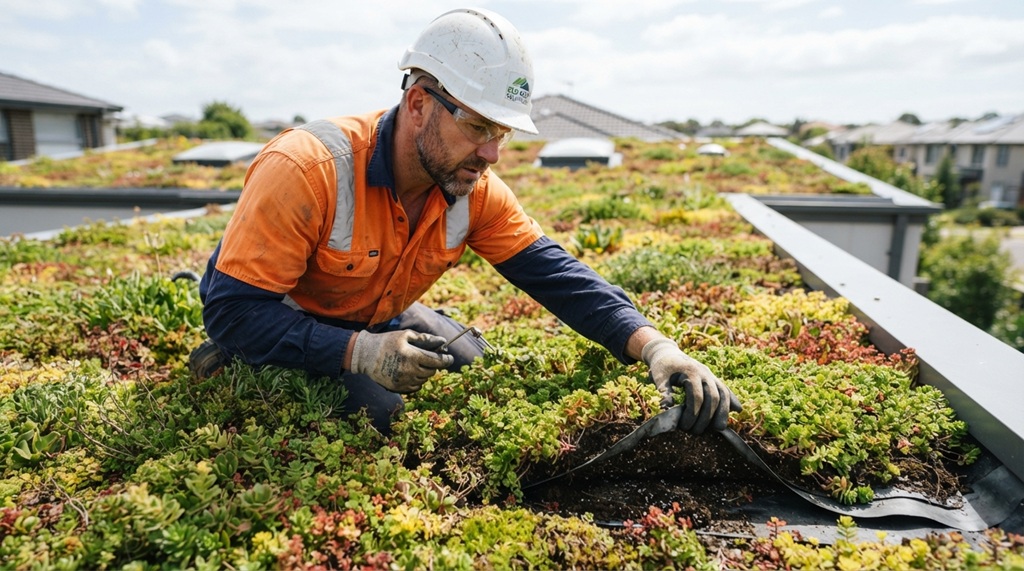
Green roofs use soil and plants to block heat and absorb rainwater. This natural layer keeps buildings cooler in summer and adds extra insulation in winter.
The plant layer and soil act as a buffer between the sun and your roof surface. This buffer reduces how much heat reaches your building. Green roofs work especially well in urban areas, where they also help lower the surrounding neighborhood’s temperature.
Green roofs cost more to install than most other options on this list. They also need structural support to hold the extra weight. For homeowners who want a long-term investment with added environmental benefits, a green roof offers unique value that other roofing choices can’t match.
How to Choose the Right Roof Upgrade for Your Home
Your climate, budget, and current roof condition determine which upgrade makes the most sense. There’s no single answer that fits every home.
If you live in a hot climate and want quick results, start with a cool roof coating. It’s the cheapest option on this list and delivers noticeable savings fast. If your roof needs full replacement soon, consider metal roofing or solar shingles instead, since you’ll get long-term value from an upgrade you’re already paying for.
Homeowners on a tight budget should start with attic insulation. It costs less than most roofing replacements and often delivers the fastest return on investment. A local roofing contractor can also inspect your home and recommend the option that fits your specific situation best.
FAQ
Which roof upgrade saves the most money on energy bills?
Attic insulation usually offers the fastest and largest savings for the lowest cost. Cool roof coatings come in second, especially in hot climates. Solar shingles save the most money over time but require a larger upfront investment.
How much does a cool roof coating cost?
Cool roof coatings typically cost between $2 and $5 per square foot, depending on the coating type and roof size. Most homeowners recoup this cost within two to three years through lower cooling bills.
Do solar shingles work as well as traditional solar panels?
Solar shingles generate slightly less power per square foot than traditional panels, according to industry experts. They make up for this with a more seamless appearance and added roof protection. Traditional panels remain the better choice for maximum energy output.
Is metal roofing worth the higher upfront cost?
Yes, for most homeowners who plan to stay in their home long-term. Metal roofing lasts far longer than asphalt shingles and reflects more heat, which lowers both replacement costs and energy bills over time.
Can I combine multiple roof innovations for bigger savings?
Yes, and many homeowners do exactly this. Pairing attic insulation with a cool roof coating or solar shingles often delivers bigger combined savings than any single upgrade alone.
Conclusion
Roof innovations like cool coatings, solar shingles, better insulation, and reflective metal roofing all lower energy bills in different ways. The best choice depends on your climate, your budget, and how long you plan to stay in your home. Start with the upgrade that fits your situation now, and you’ll see lower bills within months, not years.