
The roofing industry is changing fast. New materials, smarter installation methods, and shifting weather patterns are reshaping how roofs get built and maintained. If you own a home, plan to buy one, or work in the trade, these shifts will touch your wallet and your safety.
Watching these changes closely helps you make better decisions. You can time repairs wisely. You can choose materials that last longer. You can avoid costly mistakes that come from outdated information.
This article breaks down exactly what’s changing in roofing and why it matters for you right now.
Rising Material Costs Are Reshaping Buying Decisions
Material costs affect nearly every roofing decision homeowners make today. Prices for asphalt shingles, metal panels, and underlayment have shifted in recent years due to supply chain pressures and demand spikes.
How Price Changes Affect Your Choices
When prices rise, homeowners often delay repairs. This can be a costly mistake. A small leak left unaddressed can turn into structural damage. Watching material trends helps you time your purchase before prices climb further.
Alternative Materials Are Gaining Ground
Manufacturers are producing more cost-effective composite and synthetic options. These materials mimic the look of wood or slate but cost less and last longer. According to industry experts, synthetic roofing products are becoming a popular middle-ground choice for homeowners who want durability without the premium price tag.
Climate Change Is Driving New Roofing Standards
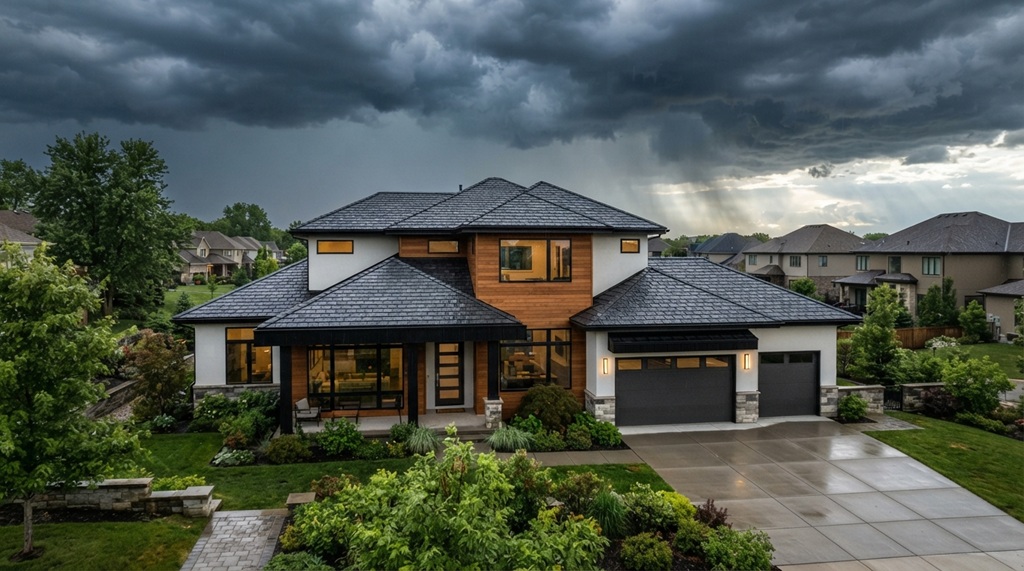
Weather patterns are becoming less predictable, and roofs bear the brunt of that shift. Hailstorms, high winds, and intense heat all put extra stress on roofing systems that older codes never accounted for.
Local building codes are adapting in response. Many regions now require impact-resistant shingles or reinforced fastening systems. If you ignore these changes, you could end up with a roof that doesn’t meet current safety standards, which can complicate insurance claims later.
Staying informed about local code updates protects your investment. It also keeps your home safer during severe weather events.
Technical Search Optimization & Contextual Link Integration
Eliminating weak stop words while amplifying core transactional keywords is essential for establishing early domain authority and driving click-through rates. To match the content’s focus seamlessly, deploy the high-ranking permalink future-roofing-trends-smart-tech to give search engine crawlers a clean, keyword-dense indicator of the page’s core subject matter. Finally, embed your interlink naturally into the editorial narrative to guide reader intent: As sustainable materials, predictive sensors, and automated drone inspections continue to redefine property maintenance, forward-thinking property owners must evaluate what smart roofing tech protects homes? to safeguard their investments before committing to major structural upgrades or roof replacements.
Cool Roofing Technology
Cool roofs use reflective materials that bounce sunlight away instead of absorbing it. This can lower indoor temperatures and cut air conditioning costs during hot months. Many manufacturers now offer cool roof options in standard shingle lines, not just specialty products.
Solar Integration Is Growing
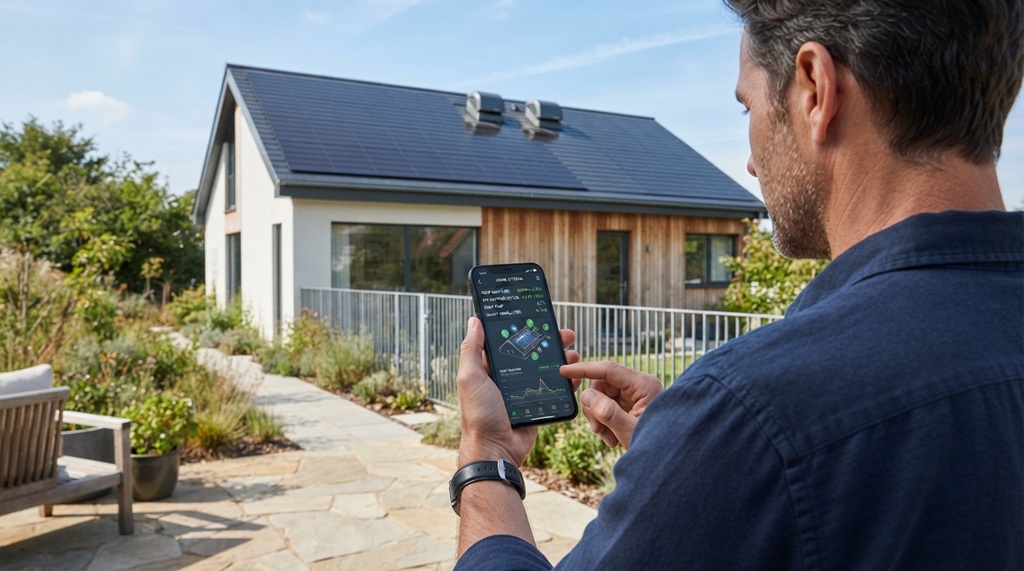
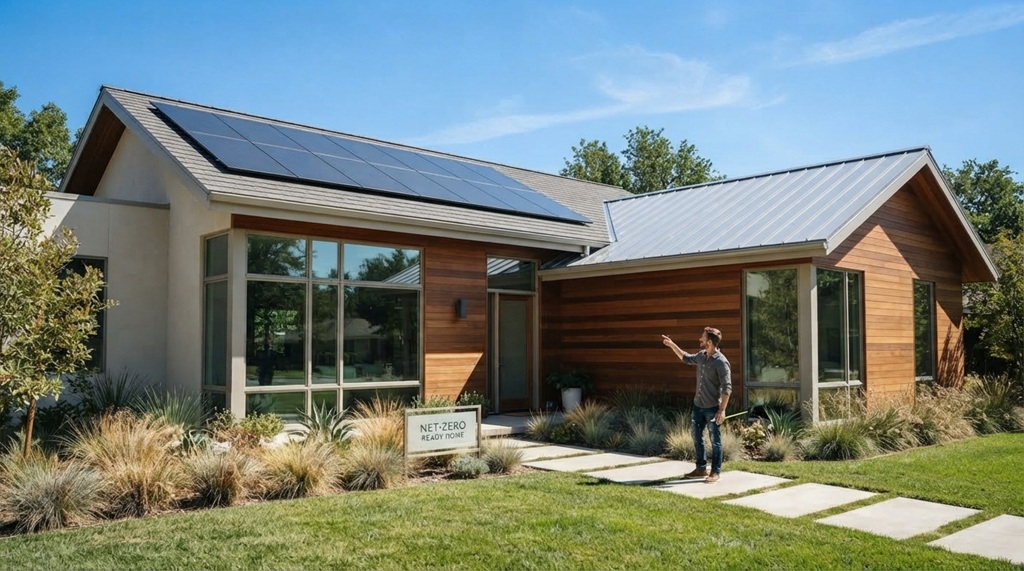
Solar shingles and integrated panel systems are becoming more common. Instead of bulky panels mounted on top of a roof, these newer products blend into the roofline itself. This trend matters because it changes how roofs get designed from the start, not just retrofitted later.
Roofing Technology Is Changing How Repairs Get Diagnosed
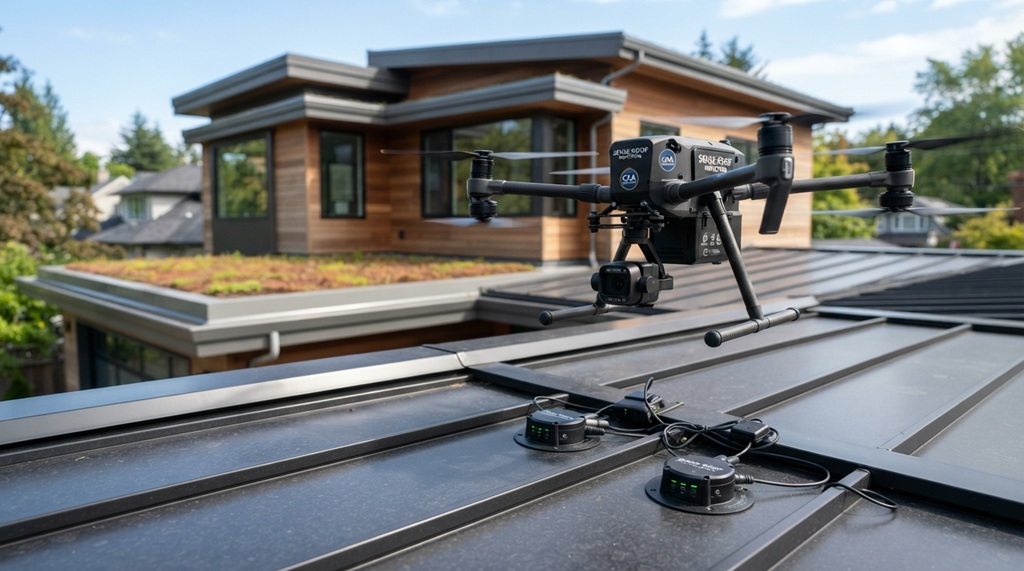
Technology is transforming how roofing professionals inspect and repair roofs. Drones, thermal imaging, and AI-assisted inspection tools are replacing some traditional methods.
Drones let roofers inspect steep or dangerous areas without climbing a ladder. This speeds up inspections and reduces safety risks for workers. Thermal imaging cameras detect hidden moisture beneath shingles before it causes visible damage.
These tools also give homeowners more accurate quotes. Instead of rough estimates, contractors can point to specific problem areas using photo or thermal evidence. This transparency builds trust and helps you understand exactly what you’re paying for.
Labor Shortages Are Affecting Repair Timelines Nationwide
Finding a qualified roofing contractor is getting harder in many areas. The industry faces a shortage of skilled labor, and this trend shows no sign of reversing soon.
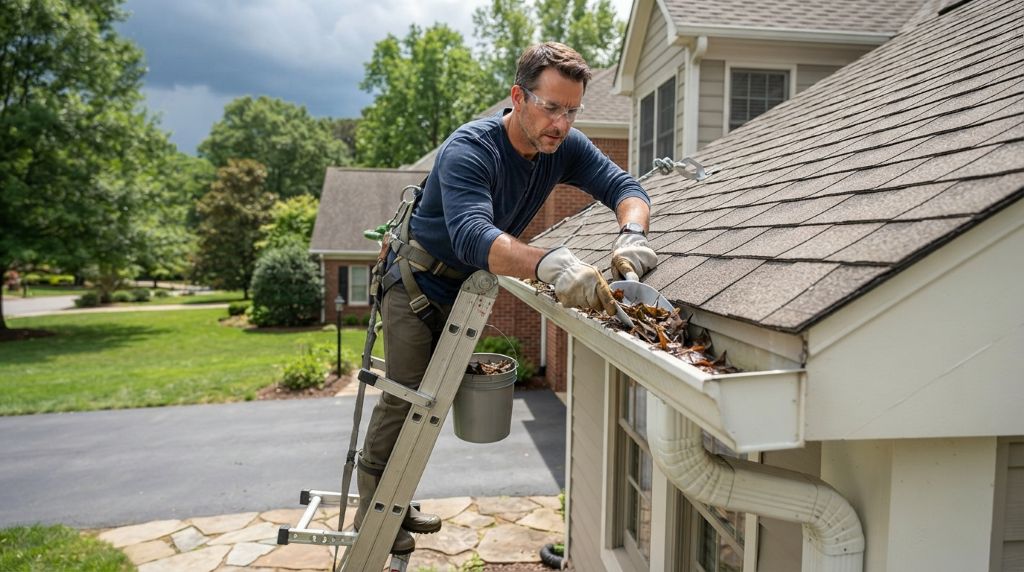
This shortage means longer wait times for quotes and repairs. It also means homeowners need to plan ahead instead of waiting until a problem becomes urgent. Scheduling routine inspections early can help you get on a contractor’s calendar before a small issue turns into an emergency.
Some companies are responding by training workers faster through apprenticeship programs. Others are turning to technology, like the drone inspections mentioned above, to do more work with fewer people on the crew.
Insurance and Warranty Rules Are Getting Stricter
Insurance companies are tightening their requirements for roof coverage. Older roofs, or those without proper documentation, may face higher premiums or reduced payouts after storm damage.
Many insurers now request proof of regular maintenance before approving a claim. This means keeping records of inspections and repairs matters more than ever. A roof with no maintenance history can raise red flags during a claims review.
Warranty terms are also shifting. Some manufacturers now require specific installation methods or materials to keep a warranty valid. Skipping these details, even by accident, can void coverage you thought you had. Reading the fine print before a project starts protects you down the road.
Why Staying Informed Gives You an Advantage
People who follow roofing trends make smarter decisions than those who don’t. Here’s a genuinely useful angle most articles skip: timing your roof replacement around industry cycles, not just when something breaks, can save real money.
Roofing contractors often have slower seasons, typically late fall and winter in many regions. Scheduling non-emergency work during these periods can mean better pricing and more attentive service, since crews aren’t stretched thin. Waiting until peak season, right after a major storm, usually means higher prices and longer waits.
Staying informed also means you won’t get caught off guard by code changes, material shortages, or insurance requirement shifts. You’ll ask better questions when hiring a contractor. You’ll recognize red flags in a sketchy quote. And you’ll protect your home before small problems become expensive ones.
Frequently Asked Questions About the Future of Roofing
Why should I care about roofing trends if my roof is fine right now?
Even a healthy roof will eventually need repair or replacement. Understanding trends now helps you plan timing, budget, and material choices before you’re in a rush. It also helps you spot early warning signs that your current roof might not meet newer safety or efficiency standards.
Are new roofing materials actually worth the extra cost?
In many cases, yes, especially for materials with better durability or energy efficiency. A slightly higher upfront cost often pays off through lower energy bills or fewer repairs over time. Always compare warranty length and expected lifespan, not just the price tag, before deciding.
How often should I check for new roofing trends or code updates?
Checking once a year is usually enough for most homeowners. If you live in an area prone to severe weather, checking after major storm seasons is smart, since codes sometimes update in response to storm damage. Your local contractor can also flag major changes when they come up for routine inspections.
Will climate change really affect my roof if I don’t live in a disaster-prone area?
Yes, even moderate climate shifts affect roofing performance. Increased heat exposure alone can shorten a roof’s lifespan by accelerating material breakdown. It’s worth asking a contractor how local weather patterns have changed in your specific area over the past decade.
Should I wait for new roofing technology before replacing my roof?
Not necessarily. If your current roof shows signs of damage or age, waiting can lead to bigger problems like leaks or structural issues. Talk to a trusted contractor about which current materials fit your budget and needs now, rather than delaying for products still emerging on the market.
Final Thoughts
The roofing industry is evolving faster than most homeowners realize. Material costs, climate demands, energy efficiency, new technology, labor shortages, and insurance rules are all shifting at once. Each of these trends can affect your budget, your safety, and how long your roof lasts.
Watching these changes closely isn’t just for industry professionals. It’s a practical habit that helps any homeowner make smarter choices, avoid costly surprises, and protect one of their biggest investments. Staying a little ahead of the curve today can save real money and stress tomorrow.